
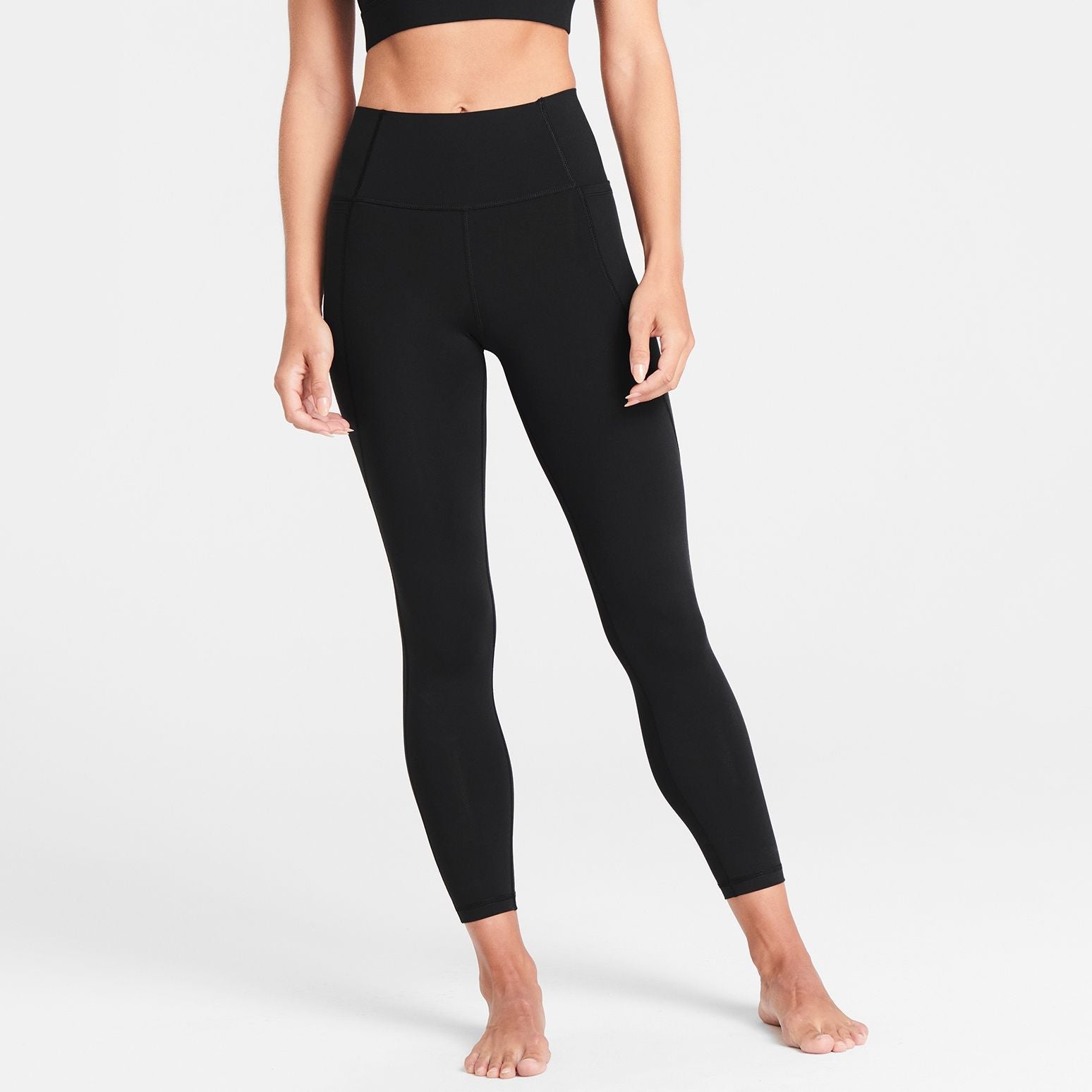

The clothes you sweat, stretch, and recover in should be the cleanest ones you own.
Tested free from PFAS | BPA·CiCLO® biodegradable fiber·B Corp certified
2,000+ 5 ★ reviews
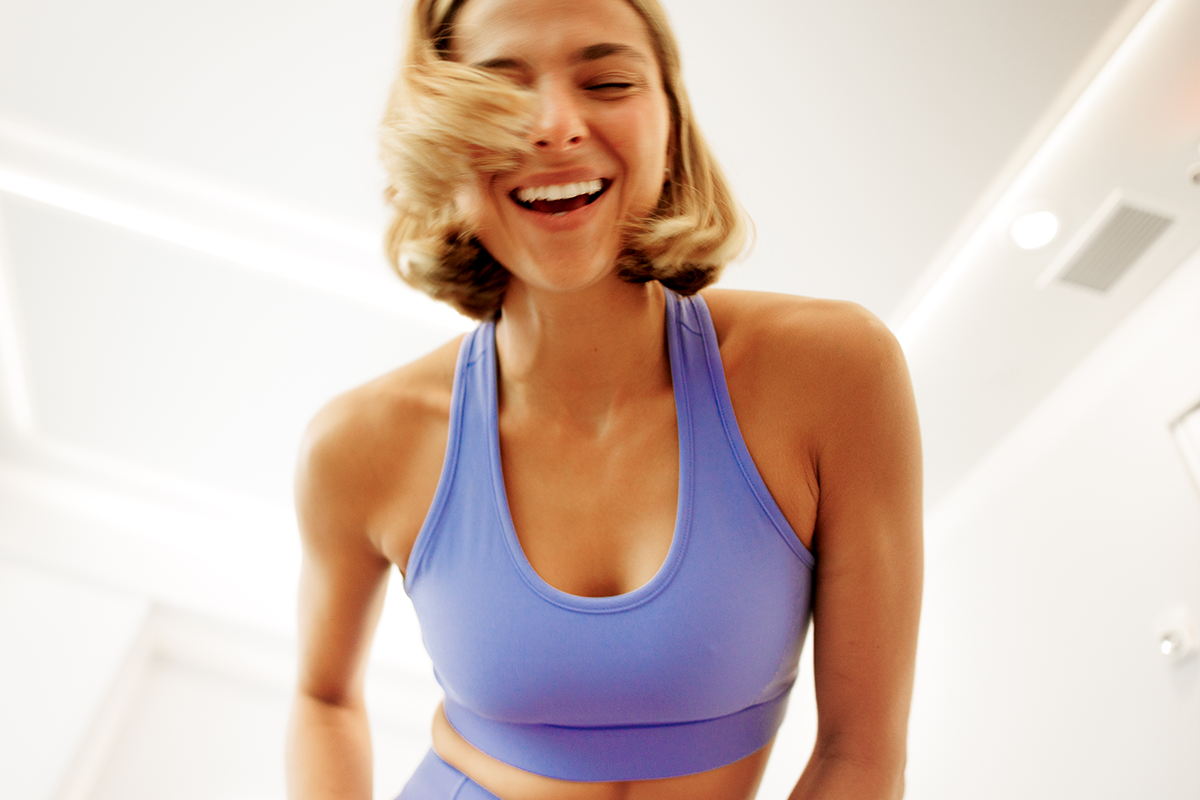
Squat-proof leggings and bras that support evenly through the neck and shoulders for all-day comfort
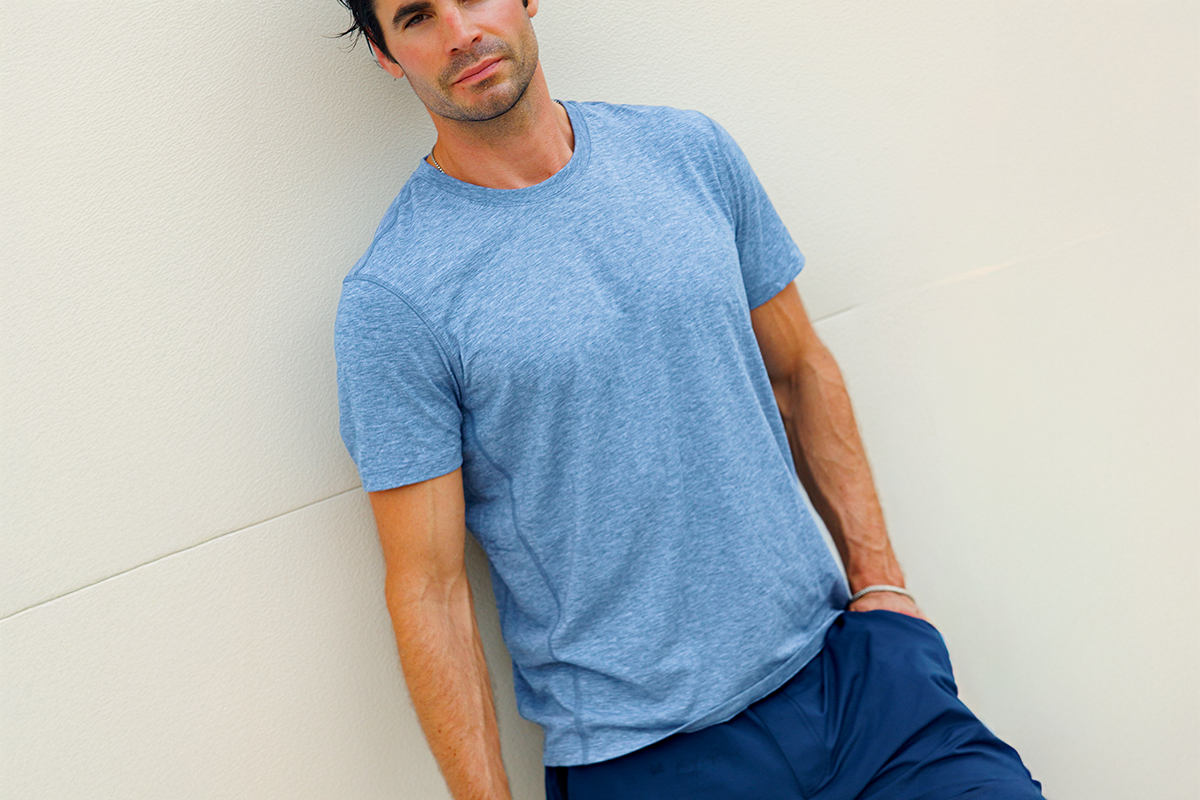
Precision-fit athletic wear engineered for lasting comfort, unrestricted movement, and real performance.
Sustainable Synthetics
Not all performance fabric is created equal.
The trade-off
For decades, performance and safety have been treated as a trade-off. Better stretch, moisture management, durability — but at what cost to your body and the environment?
The problem
Traditional synthetics are often treated with chemicals like PFAS and BPA and shed microplastics that last for centuries. These toxic microplastics enter waterways, accumulate in ecosystems, and make their way into our food chain.
Our answer
Our fabrics are made to break down — not accumulate. CiCLO® fiber technology significantly accelerates biodegradability without compromising stretch, moisture management, or durability. Every finished garment is independently tested free from PFAS | BPA and screened for 100+ chemicals.
We're not claiming perfection. We're claiming the highest standard available.
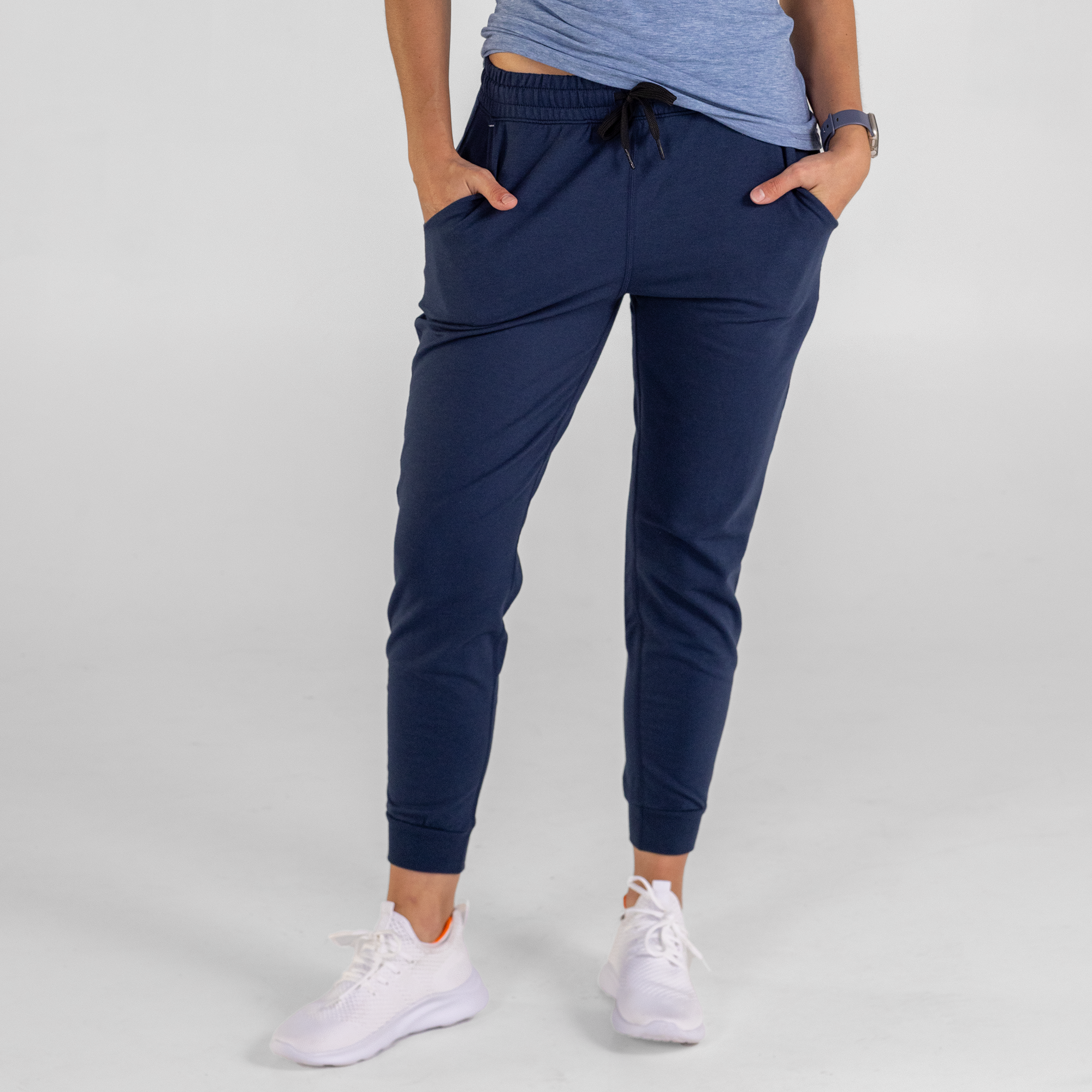
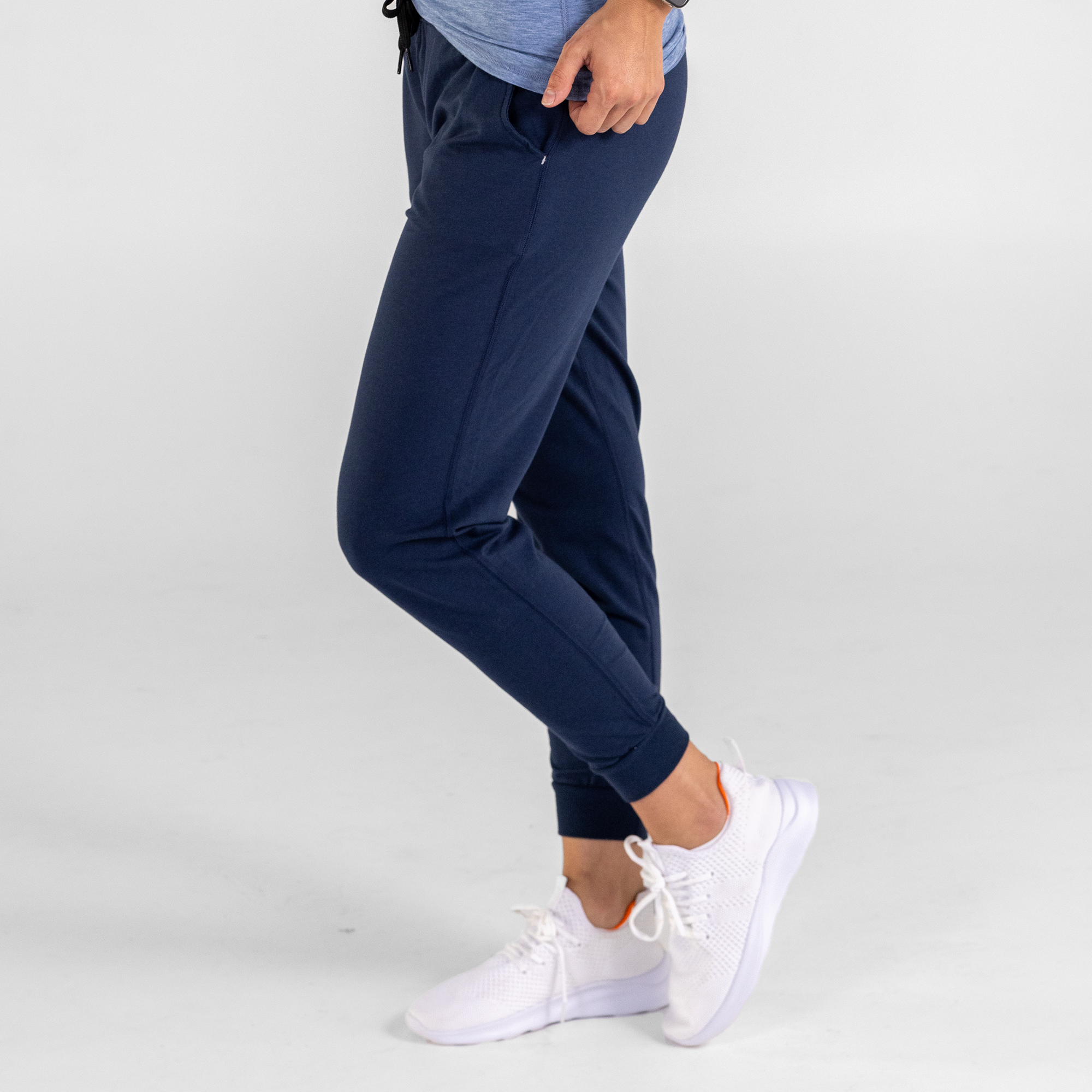
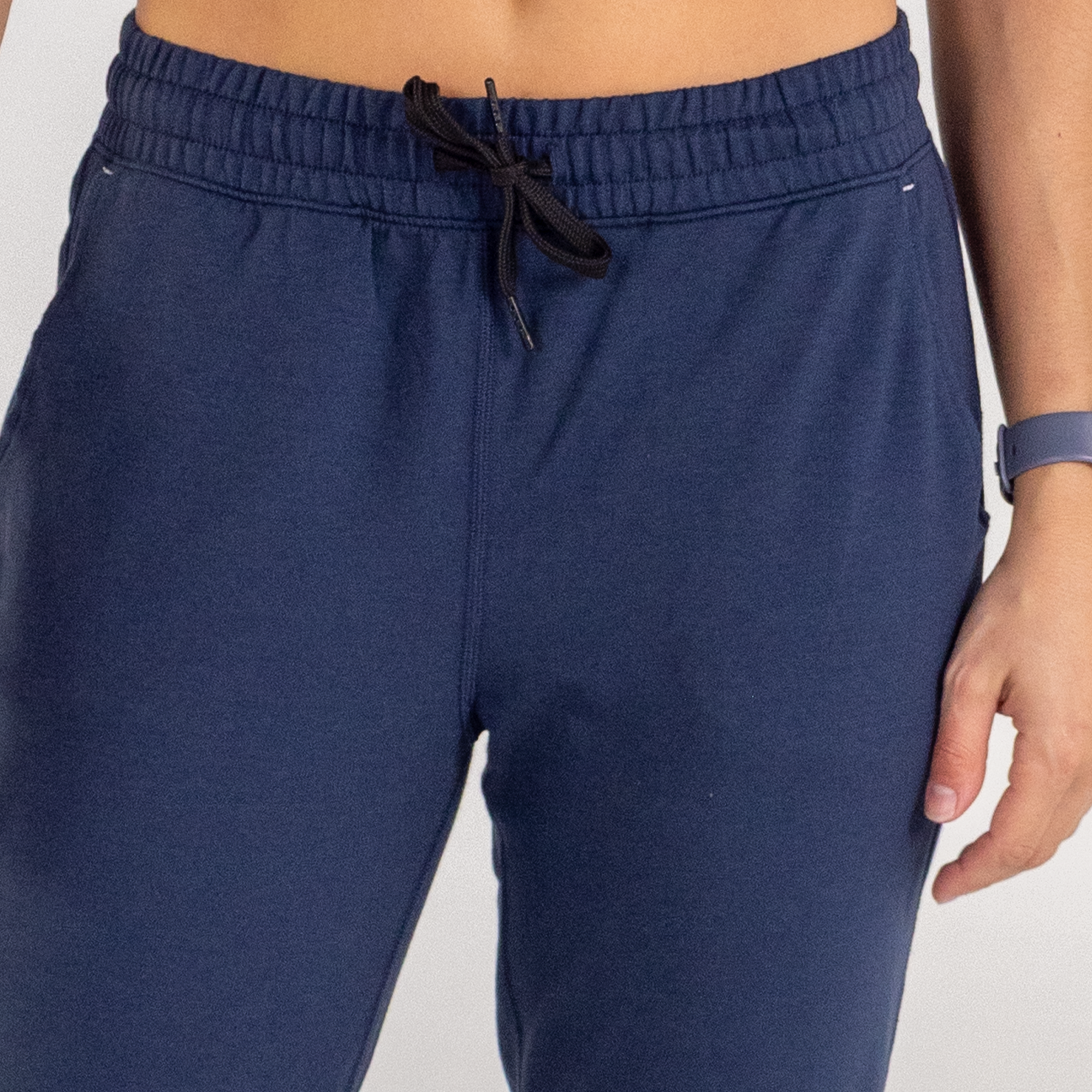
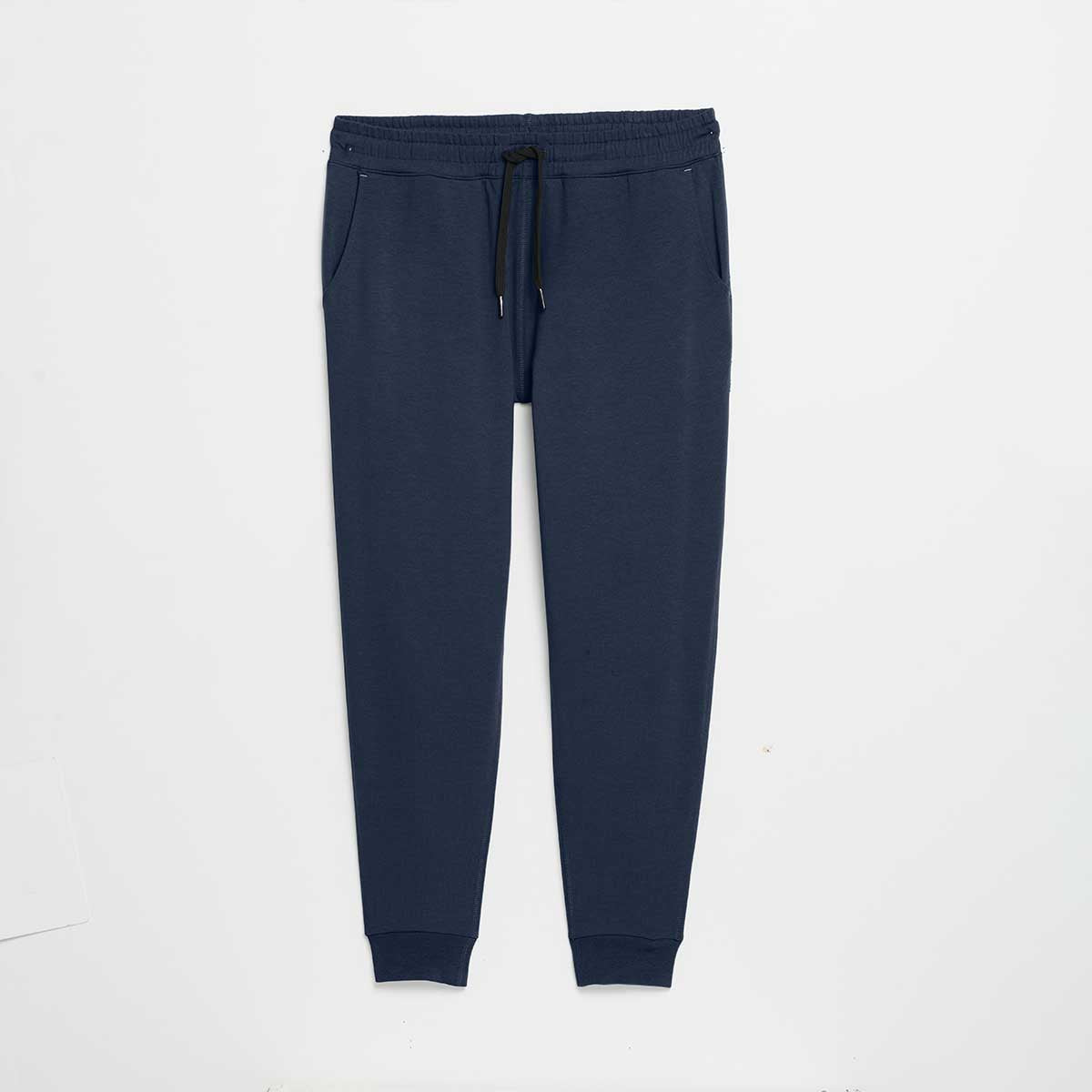


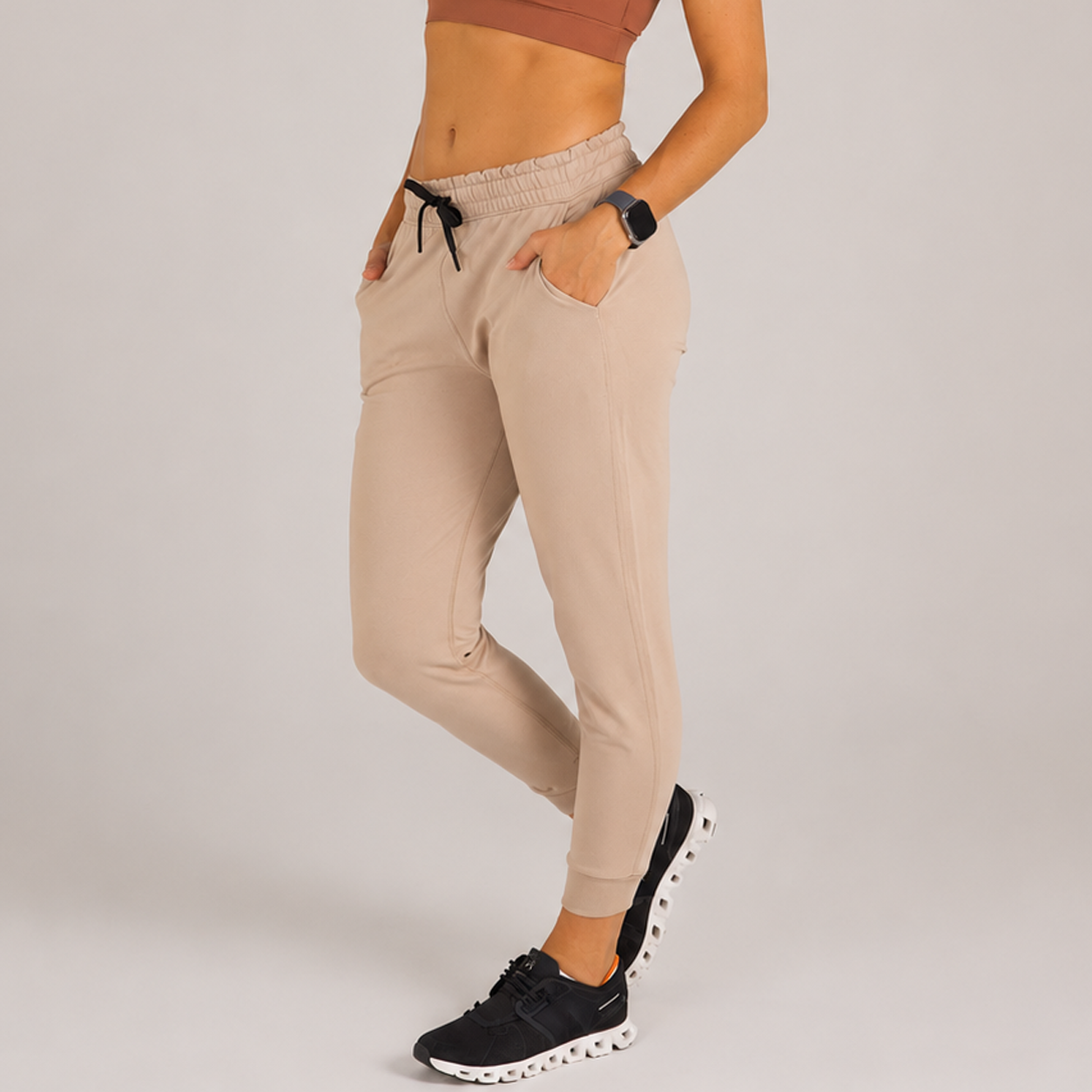
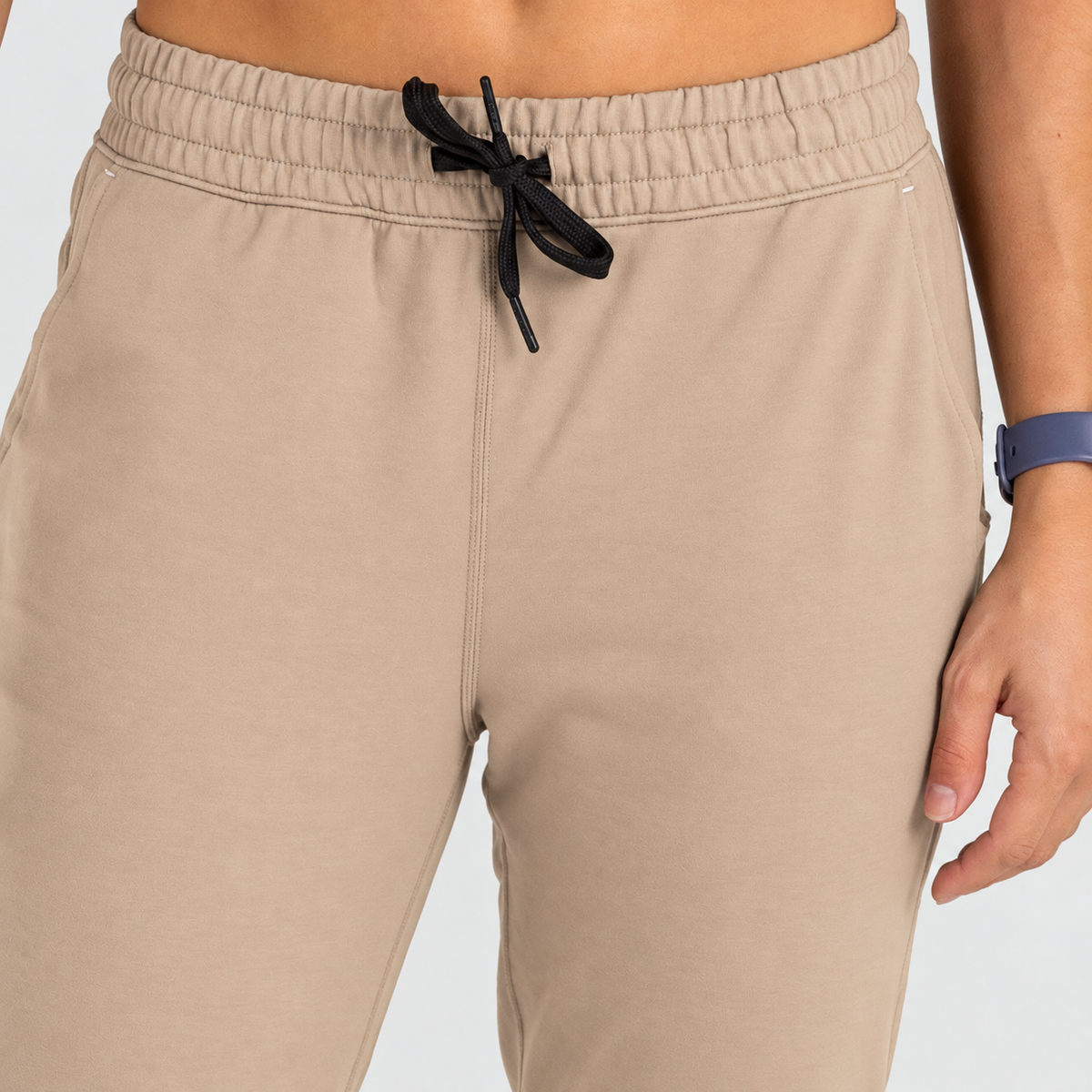
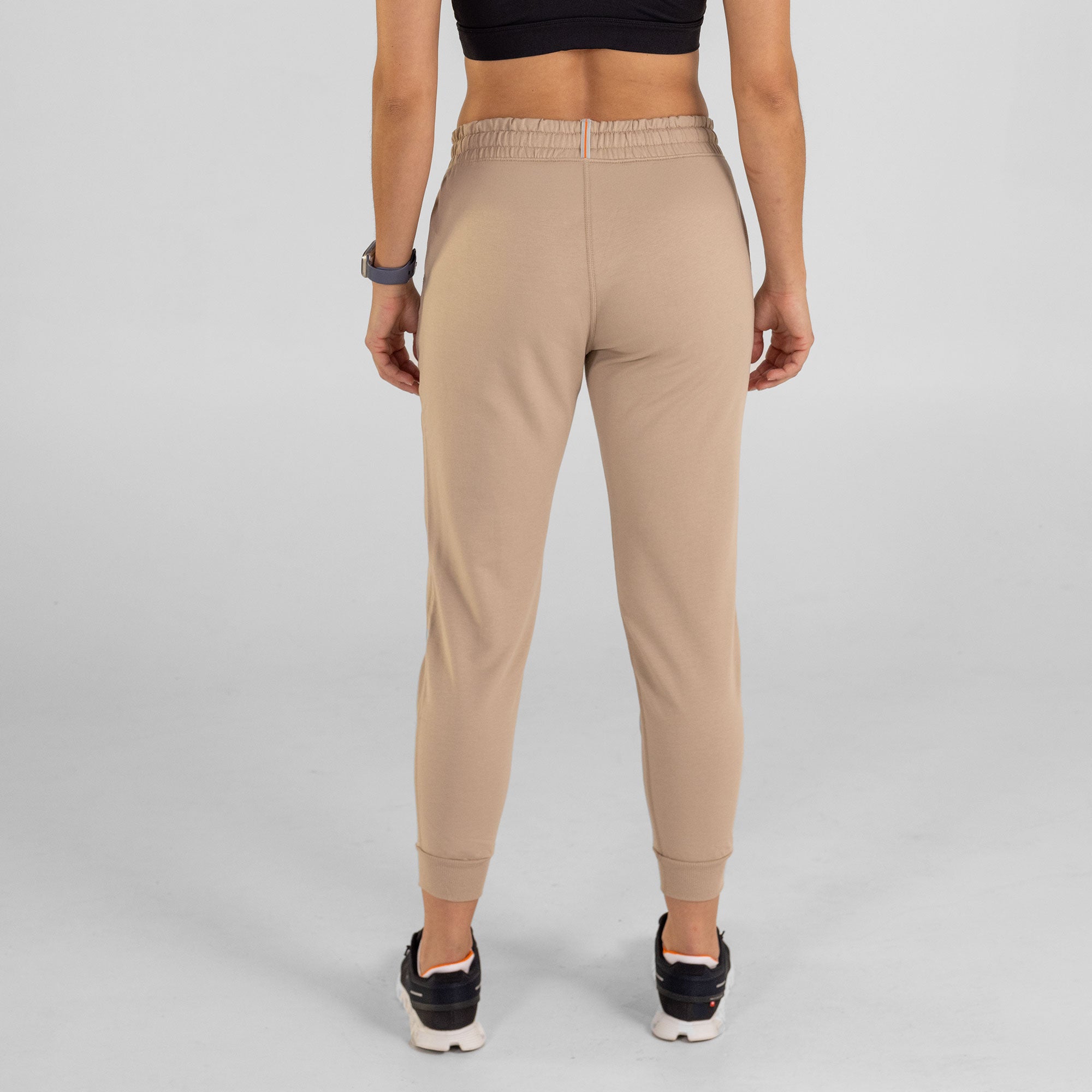
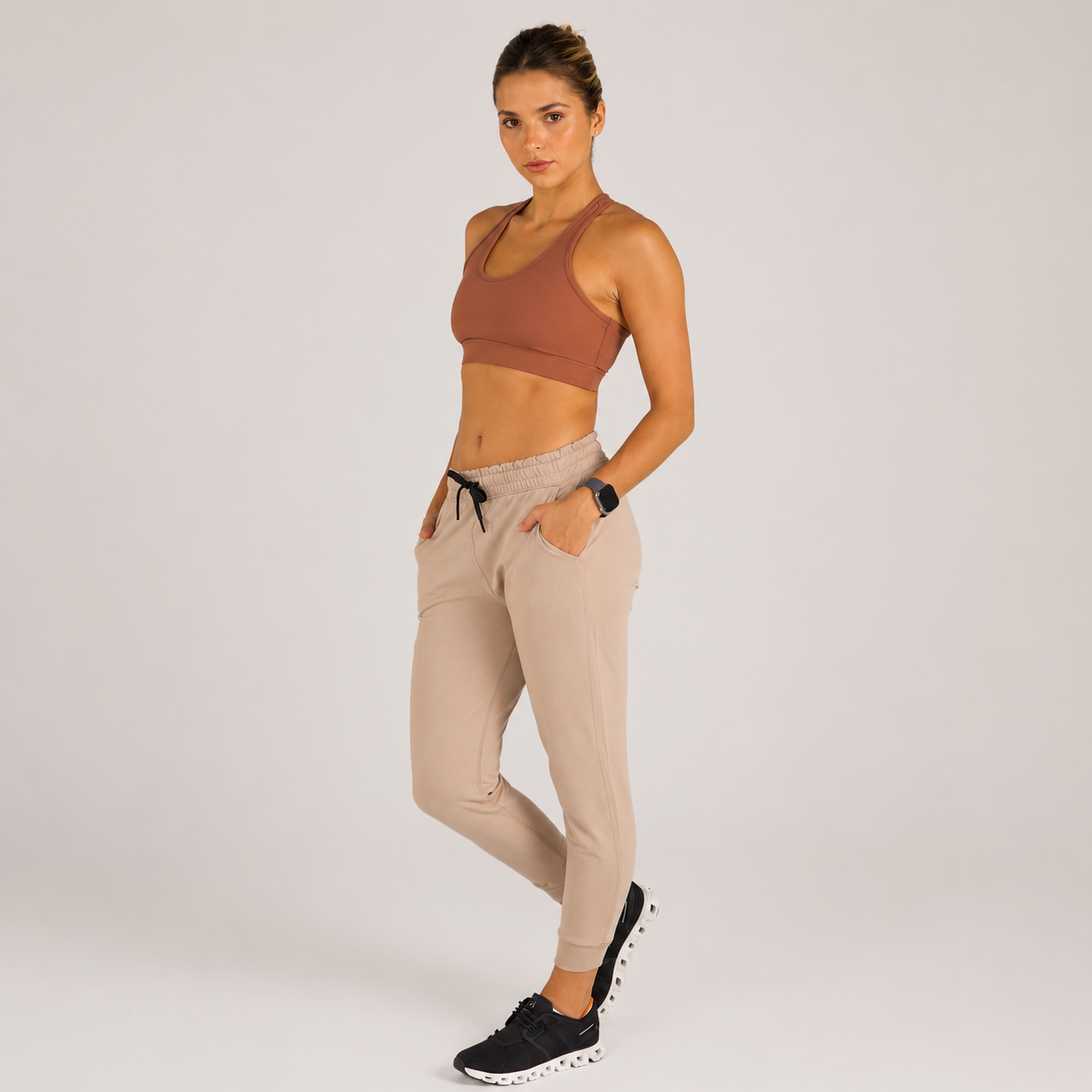
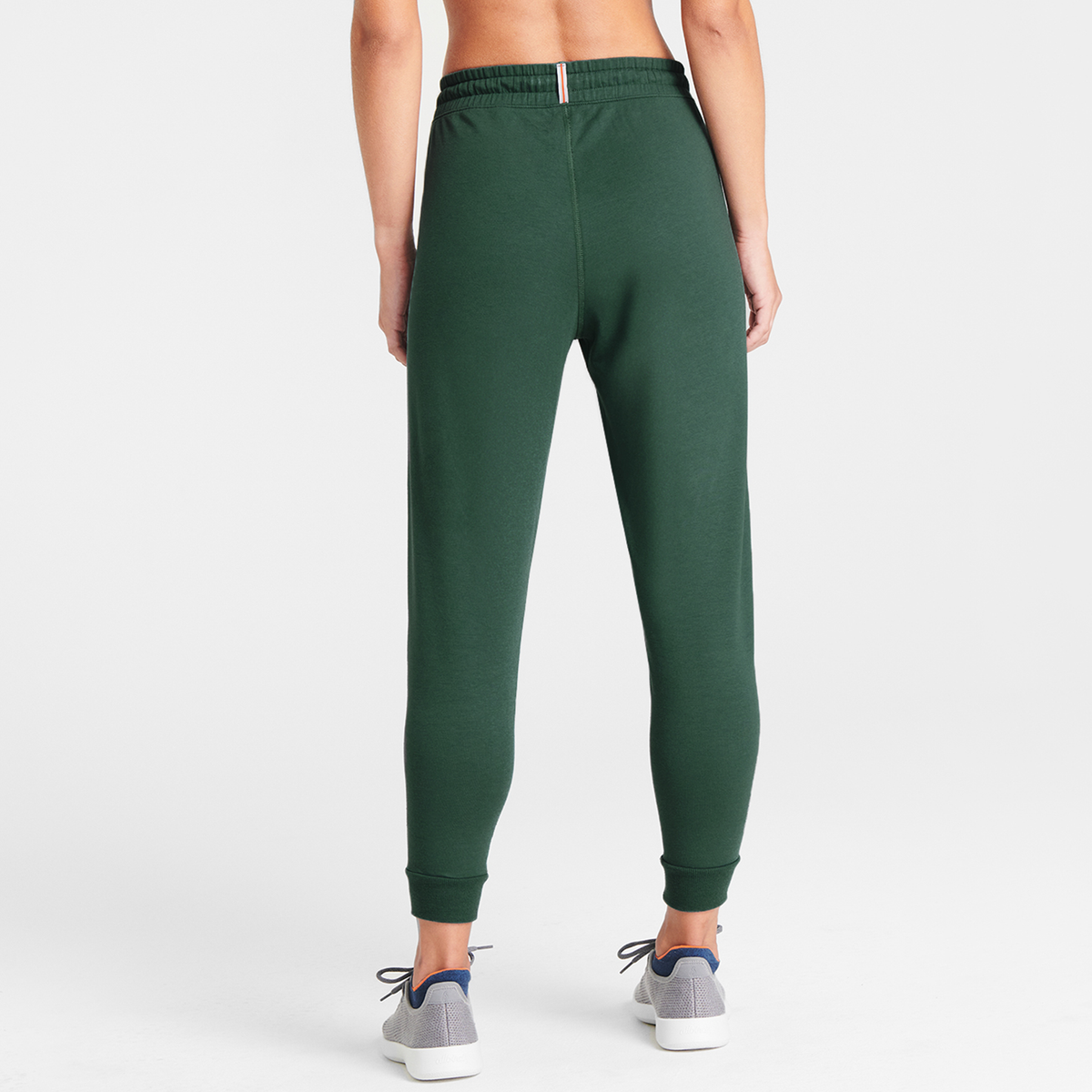
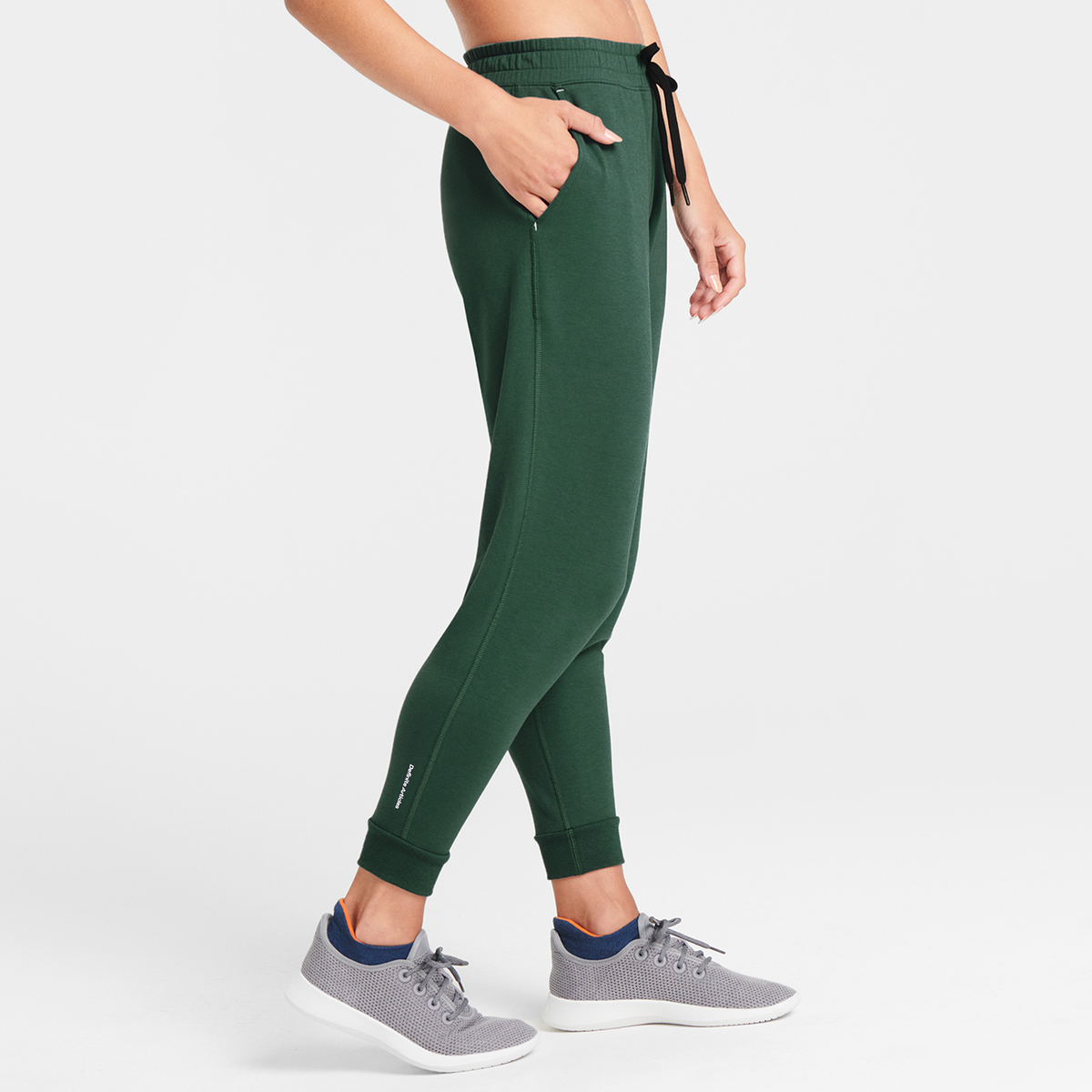
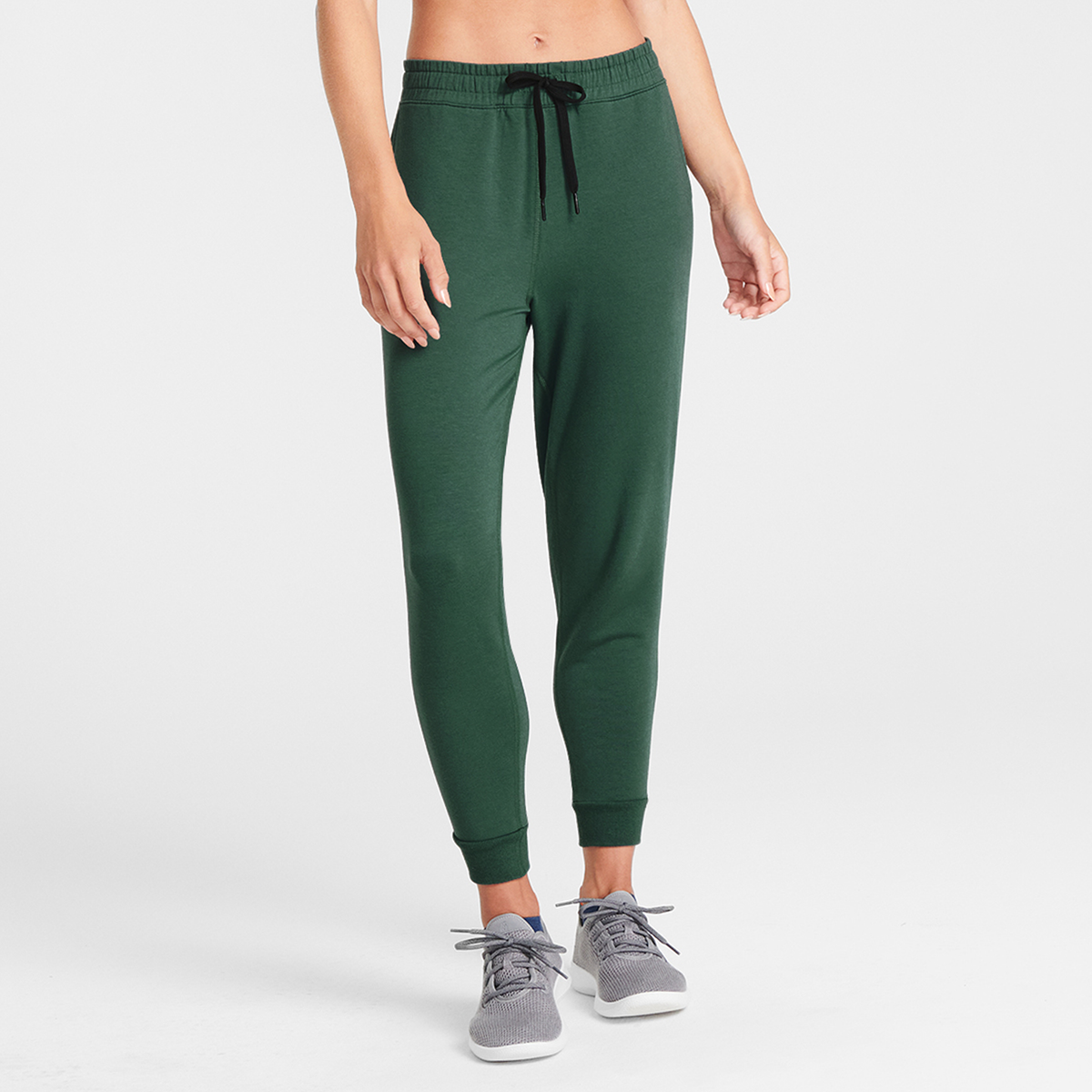
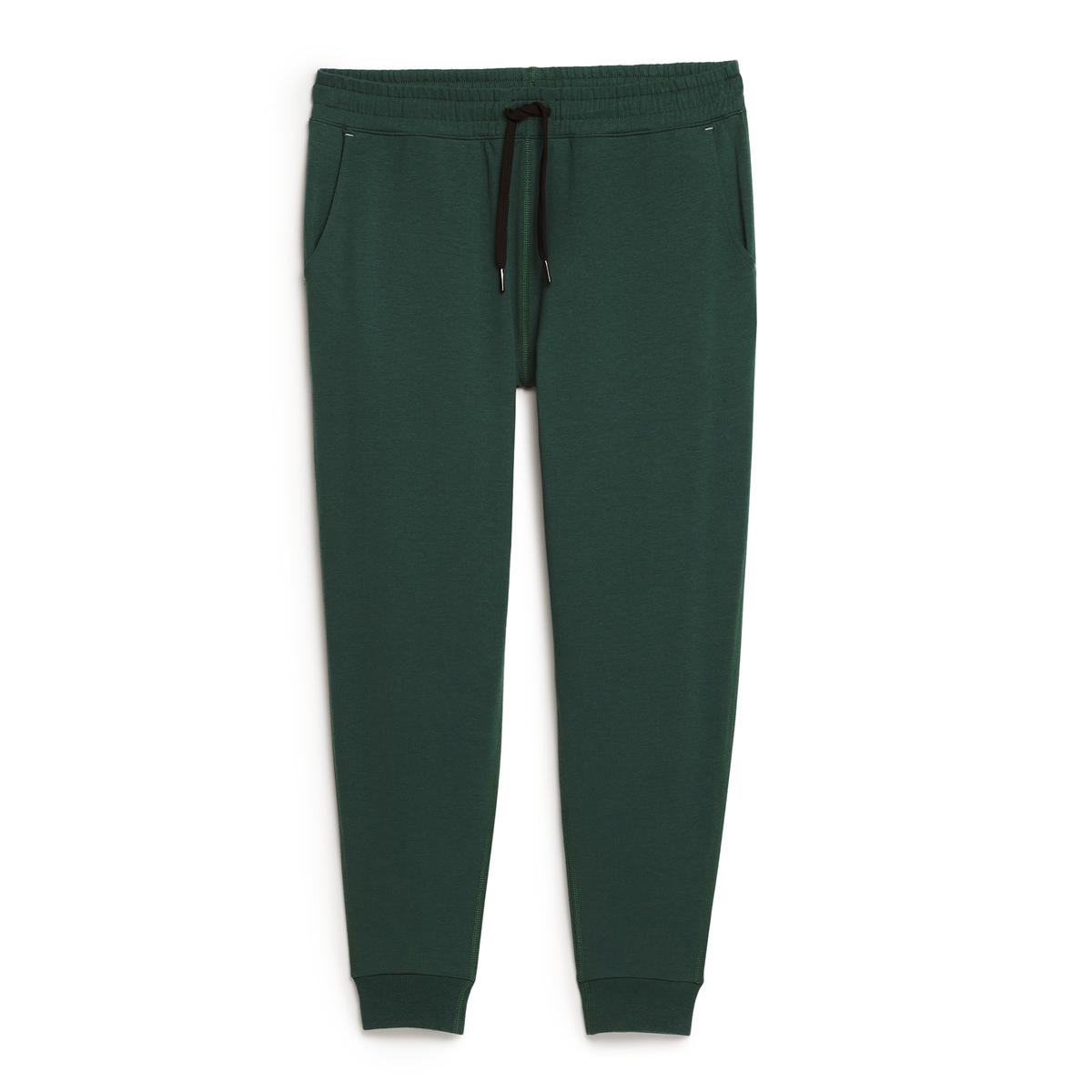
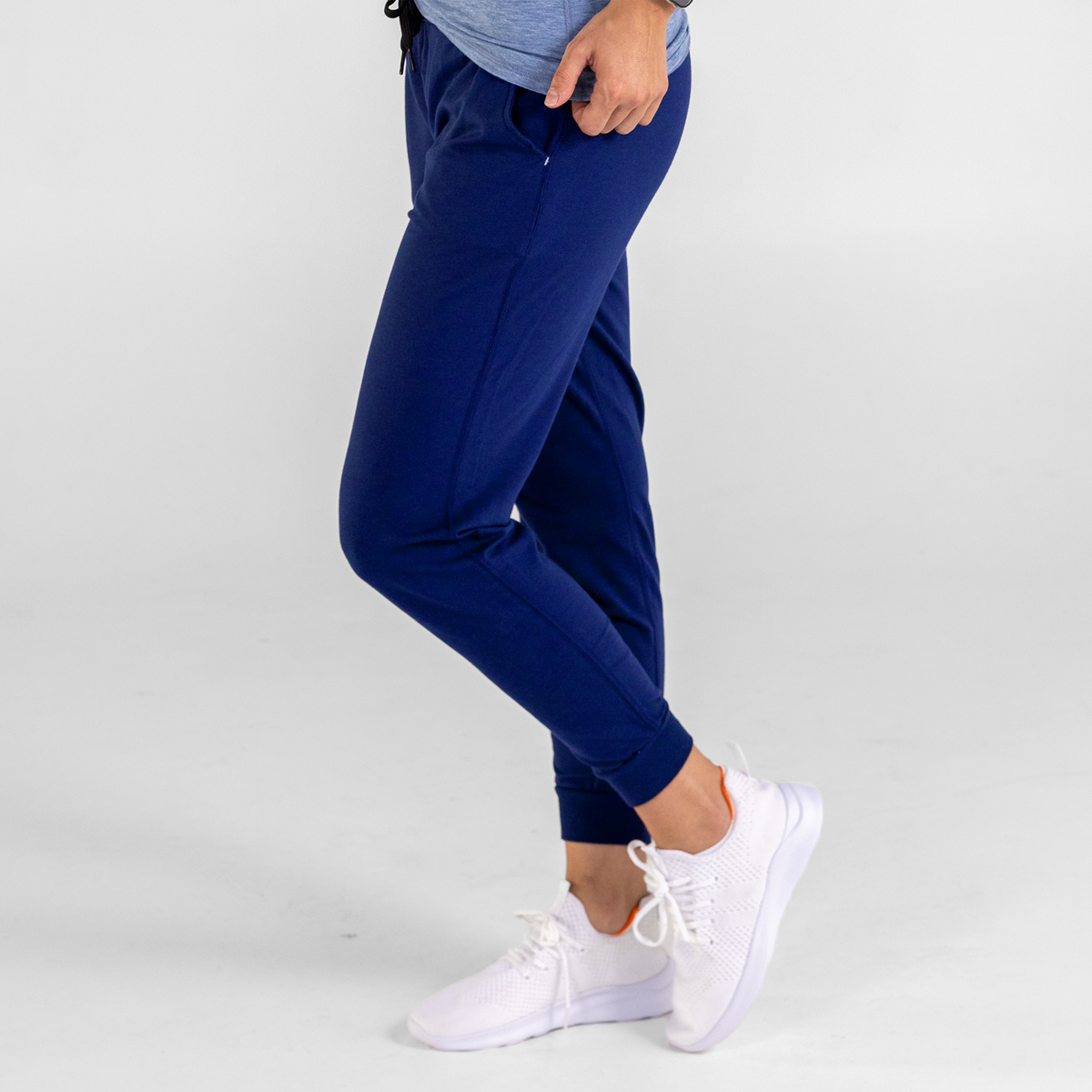
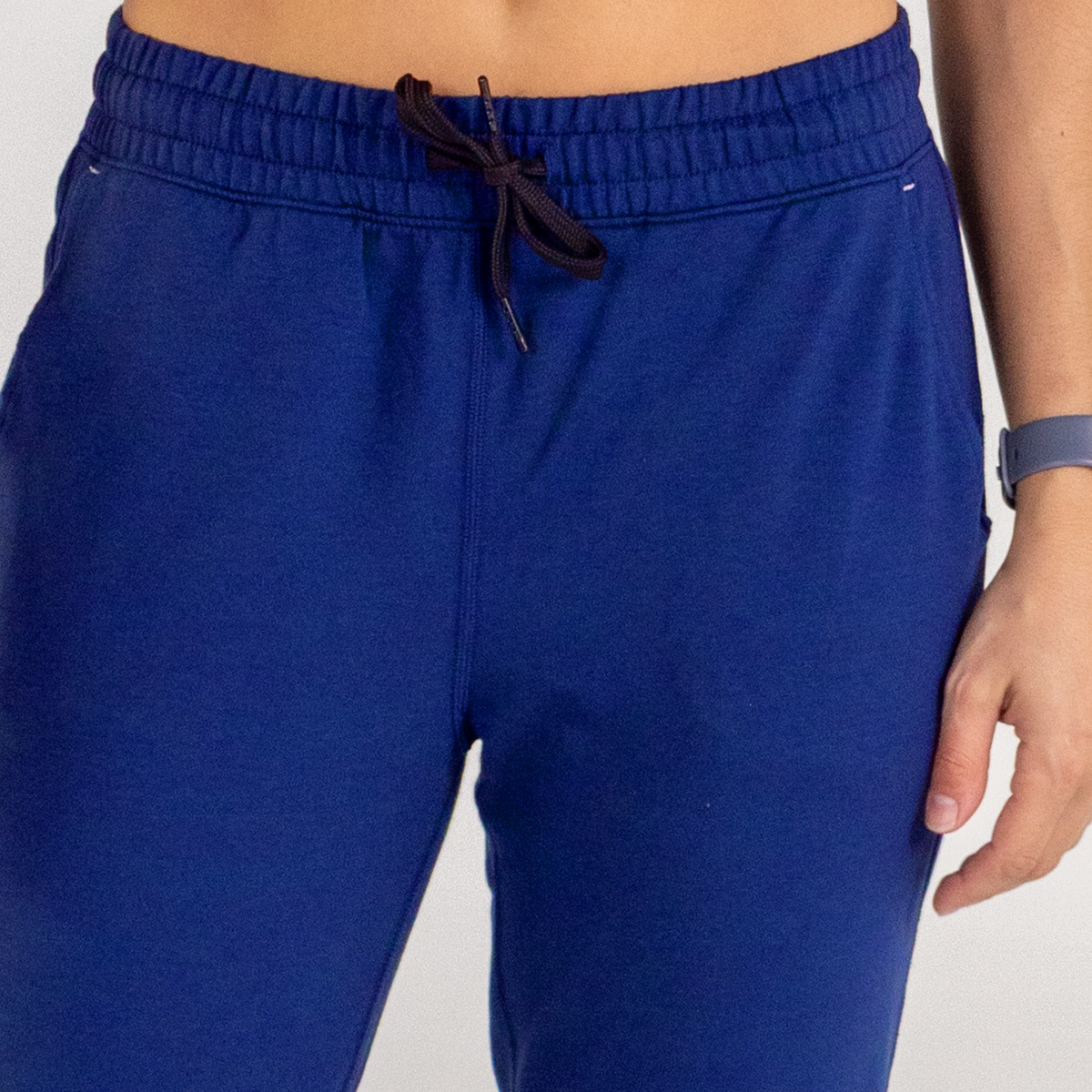
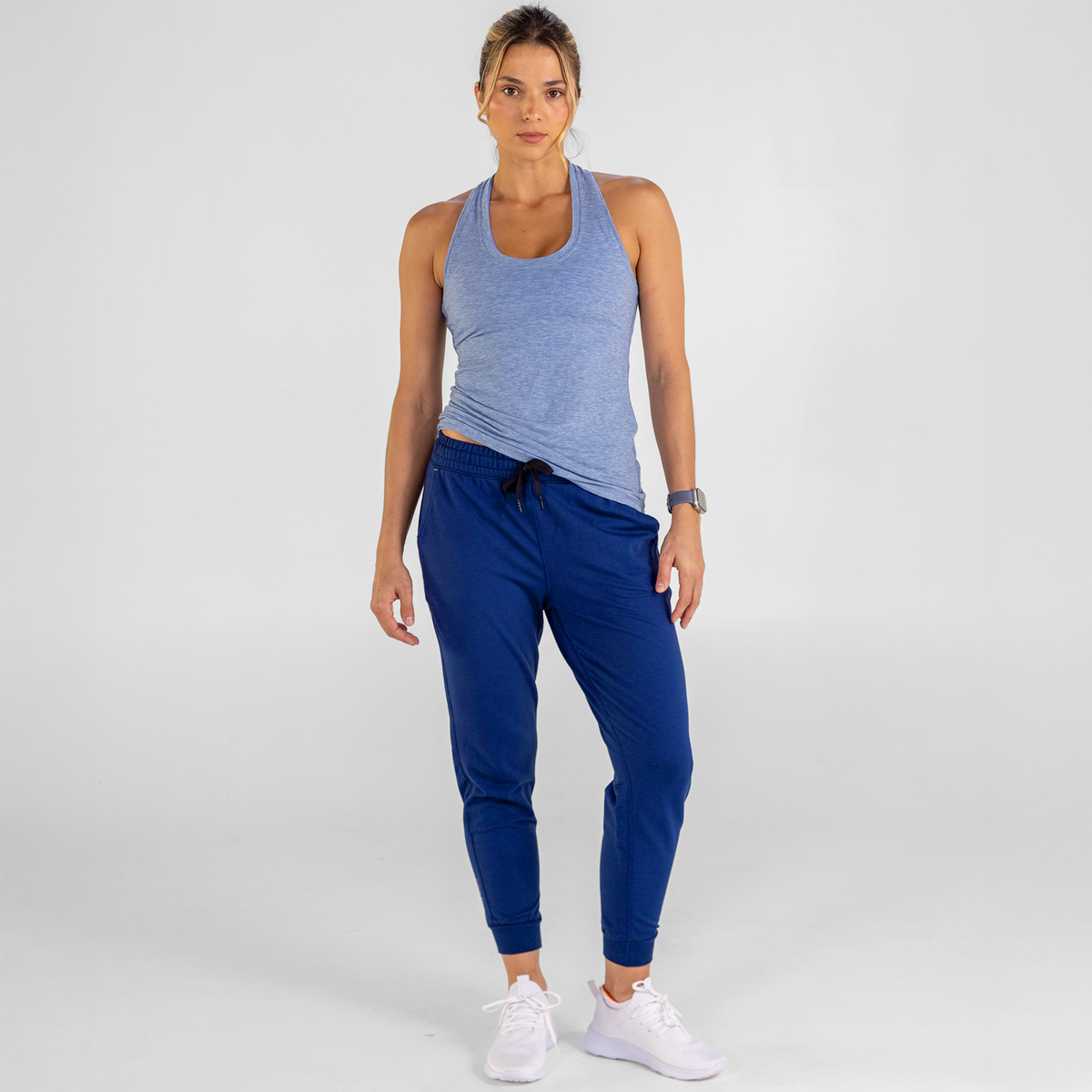
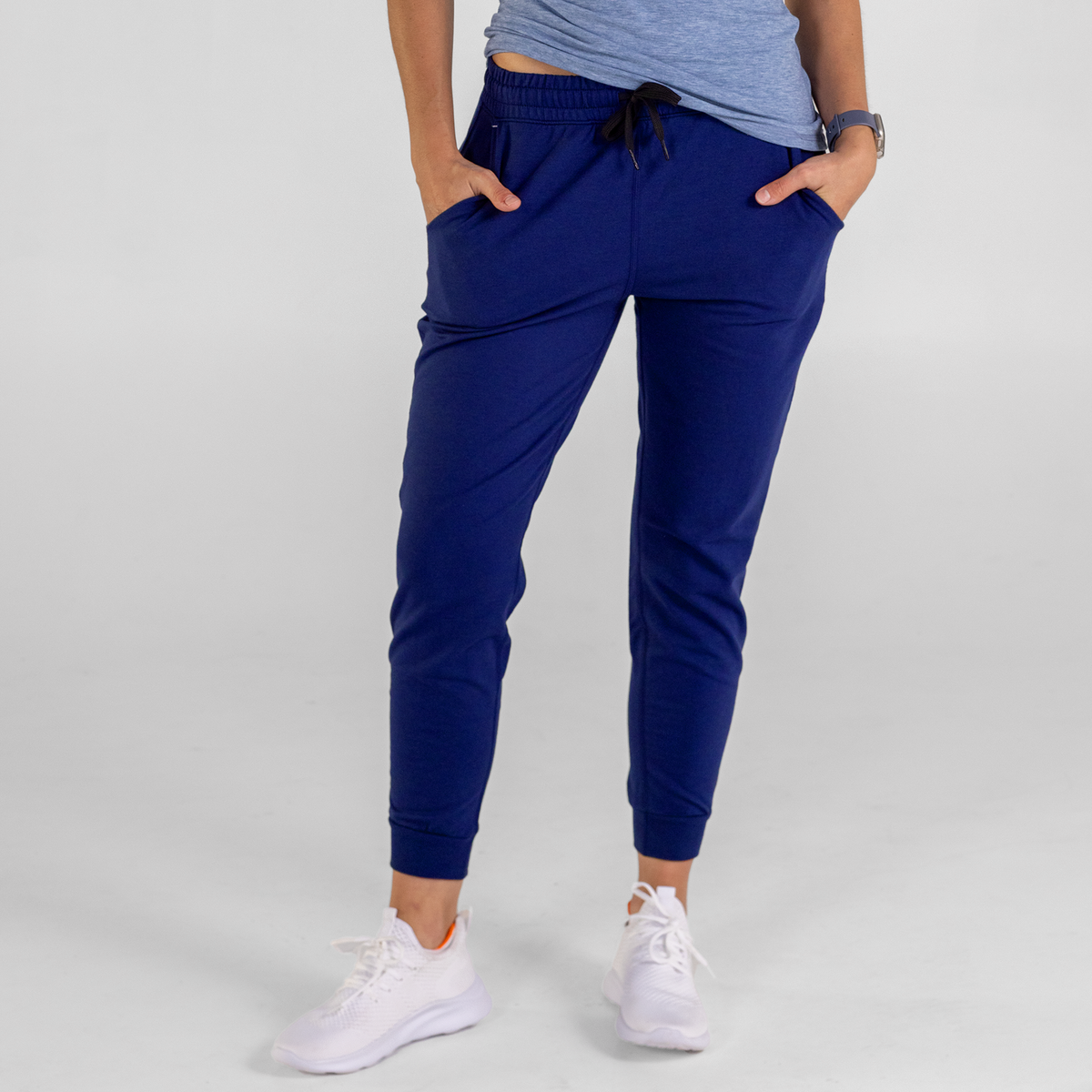


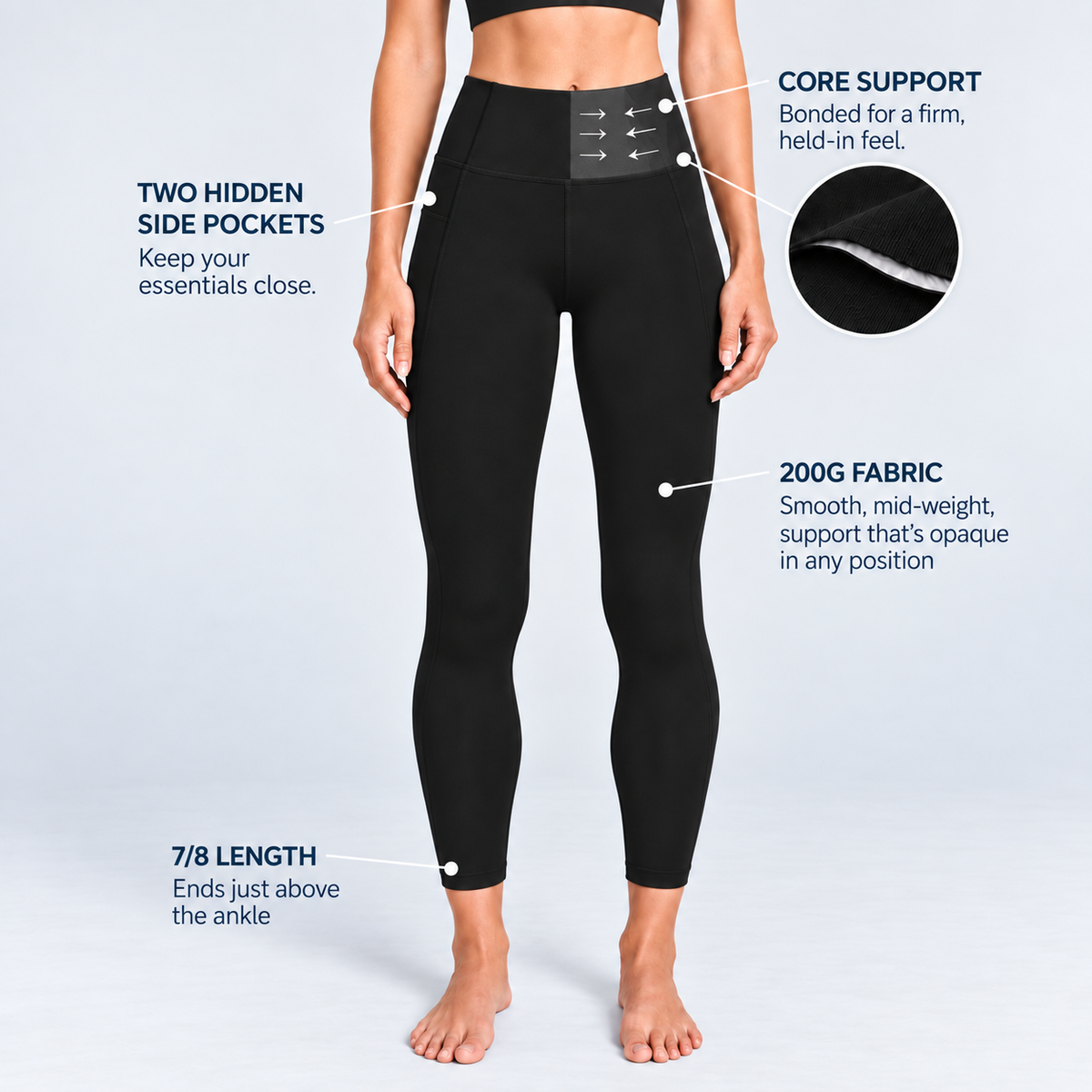
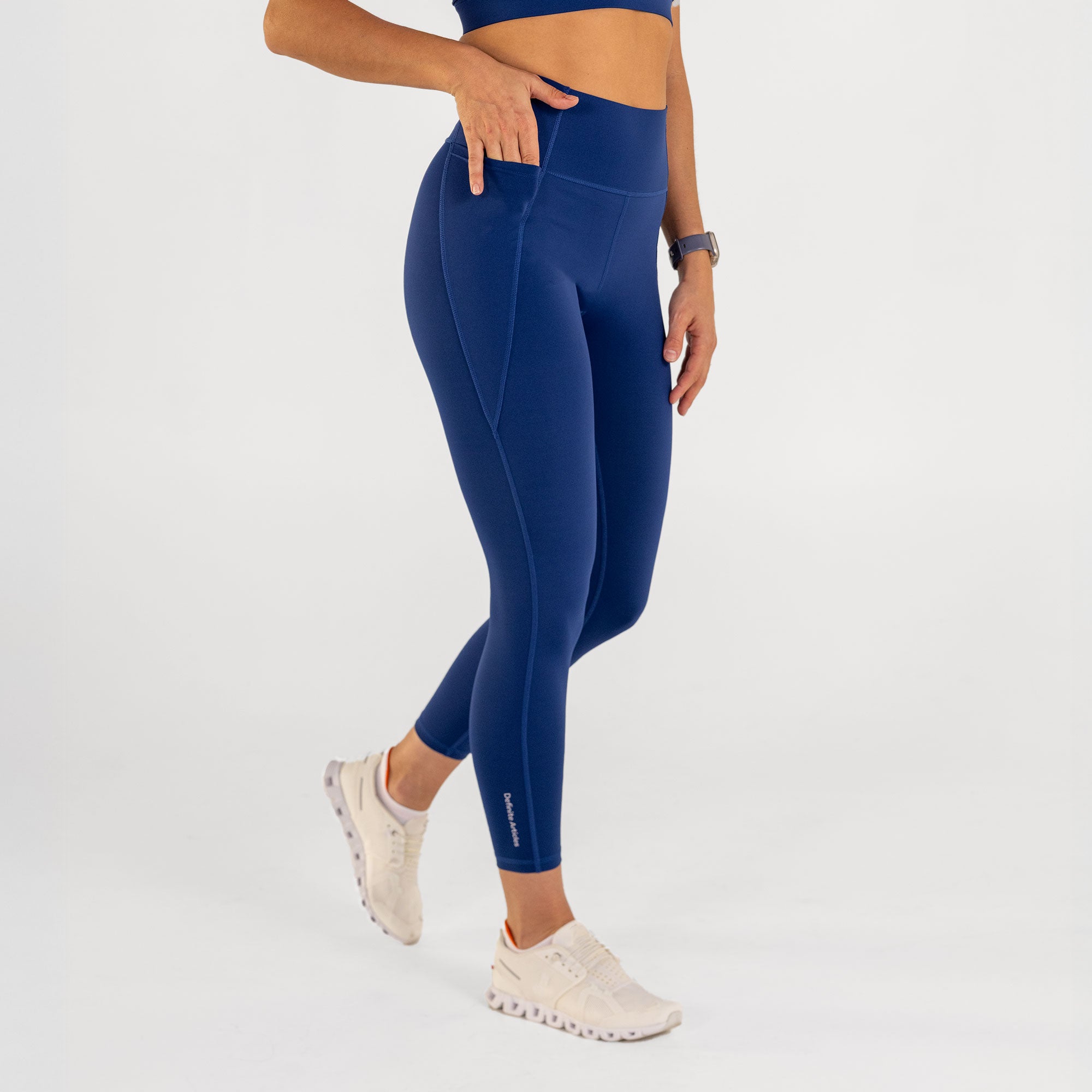
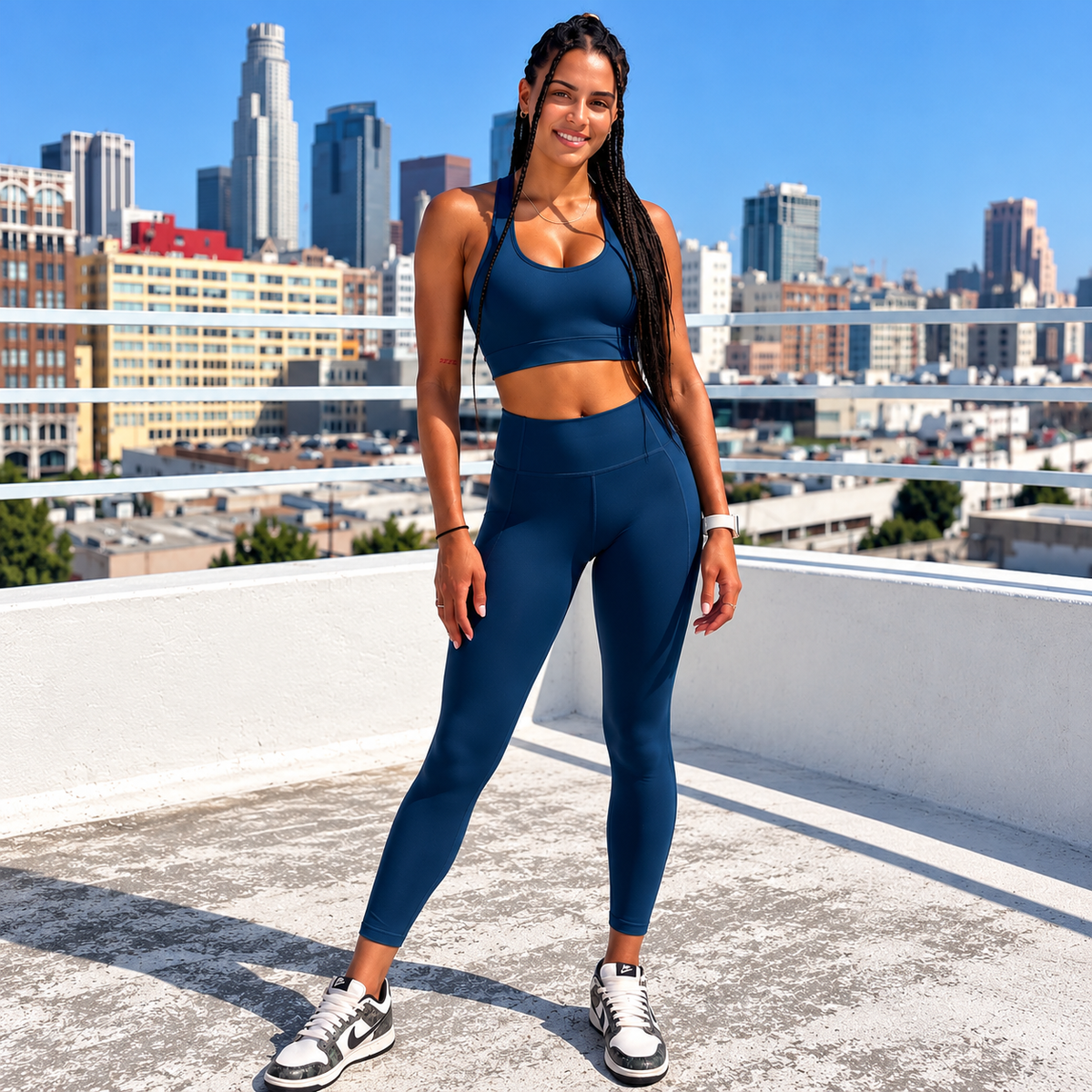


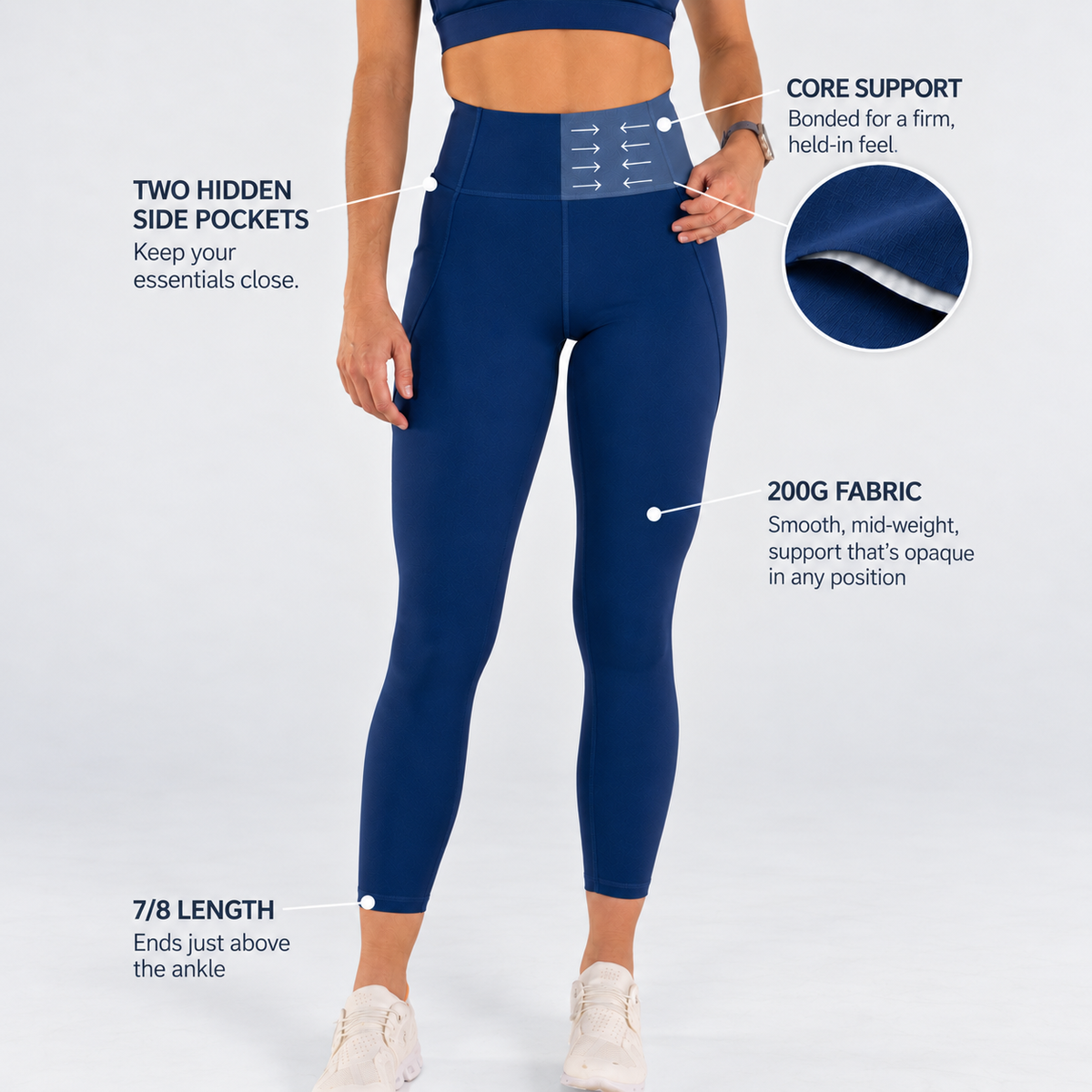


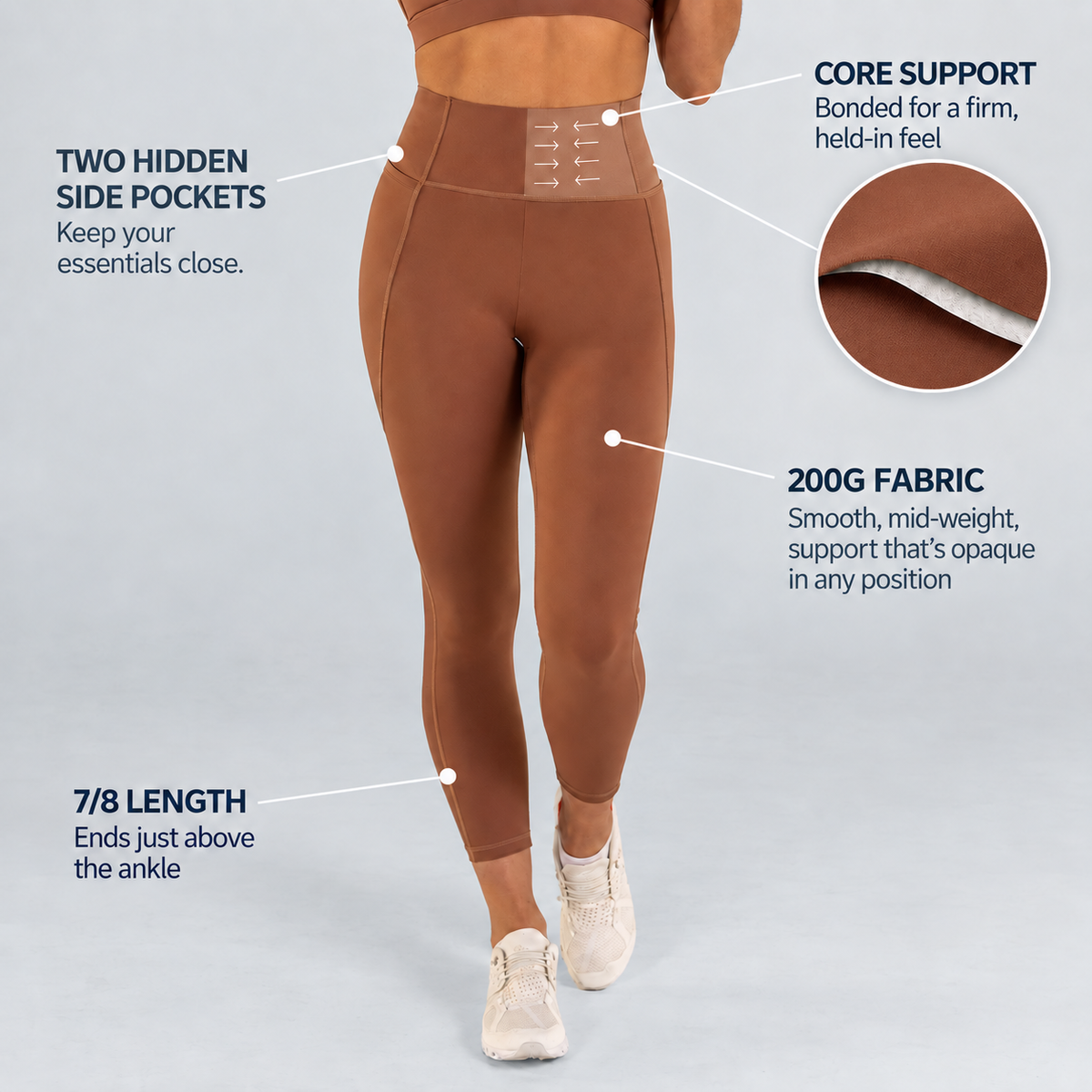
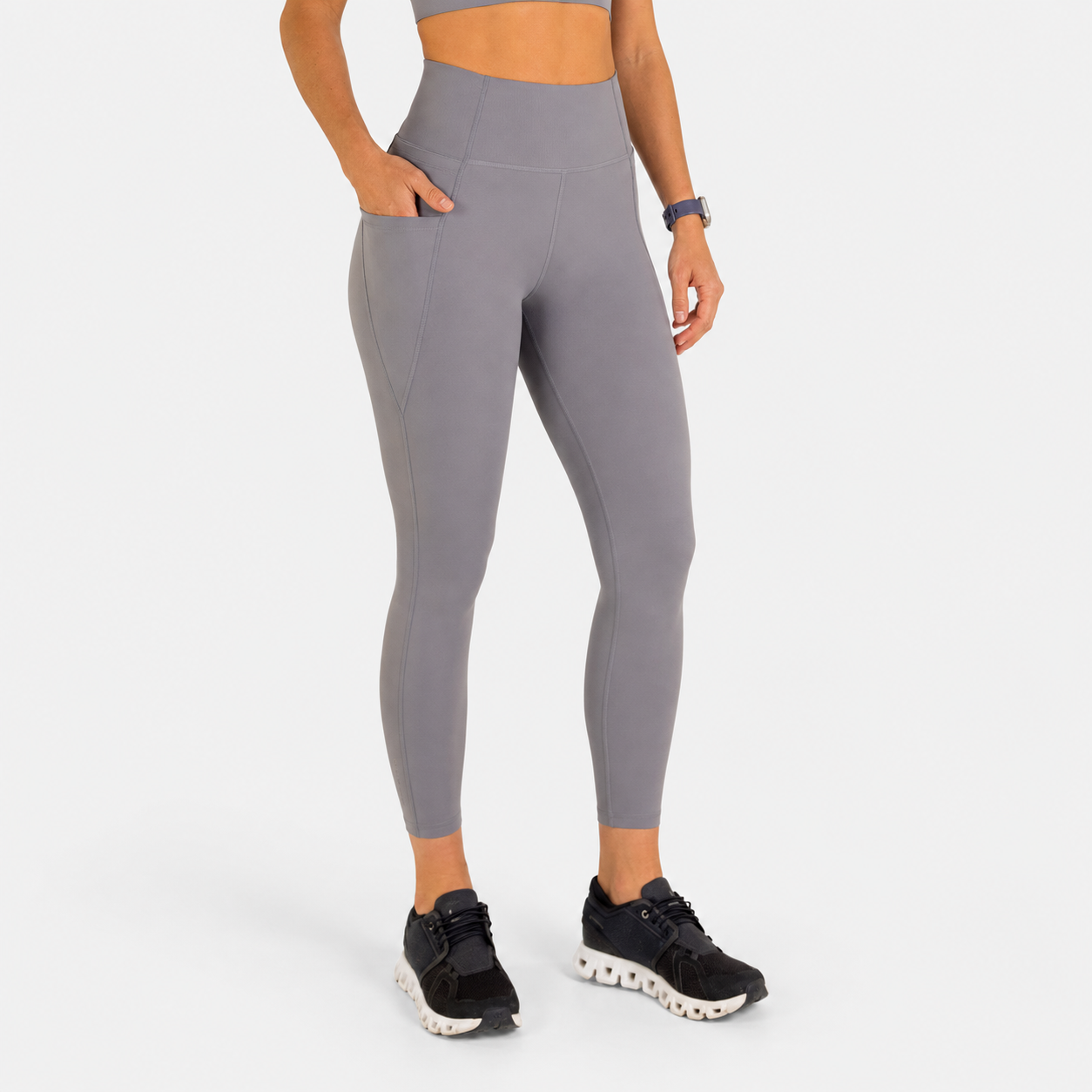
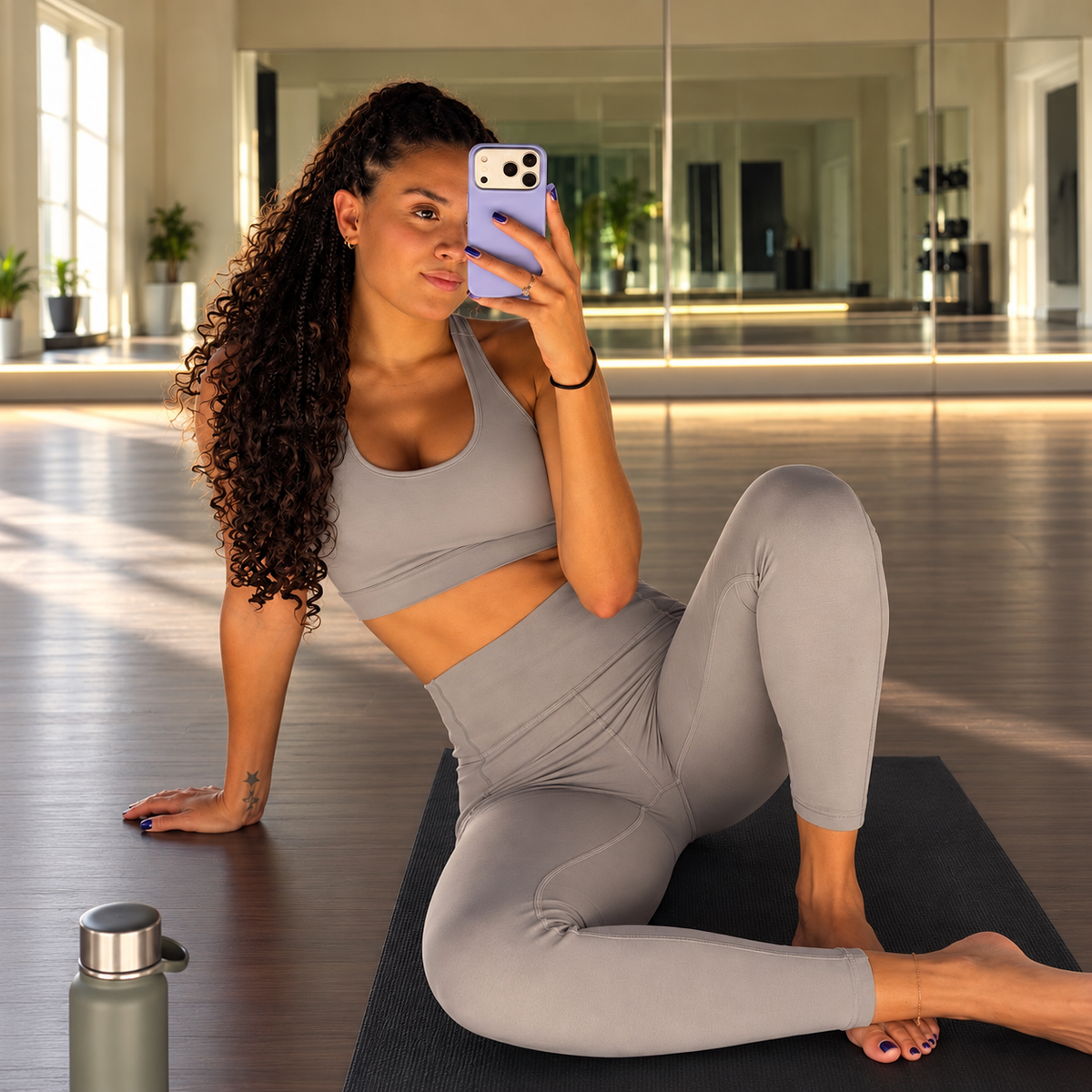
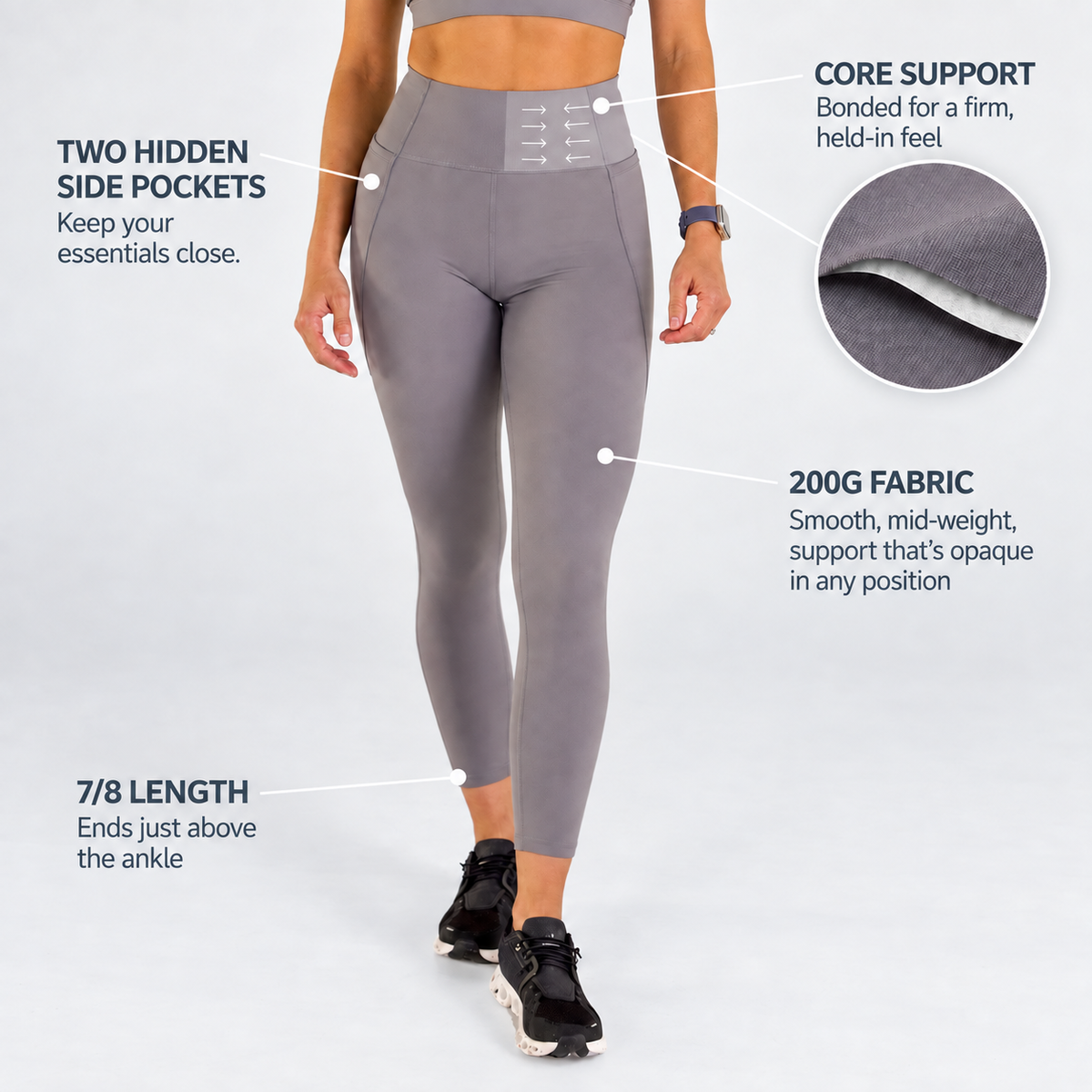

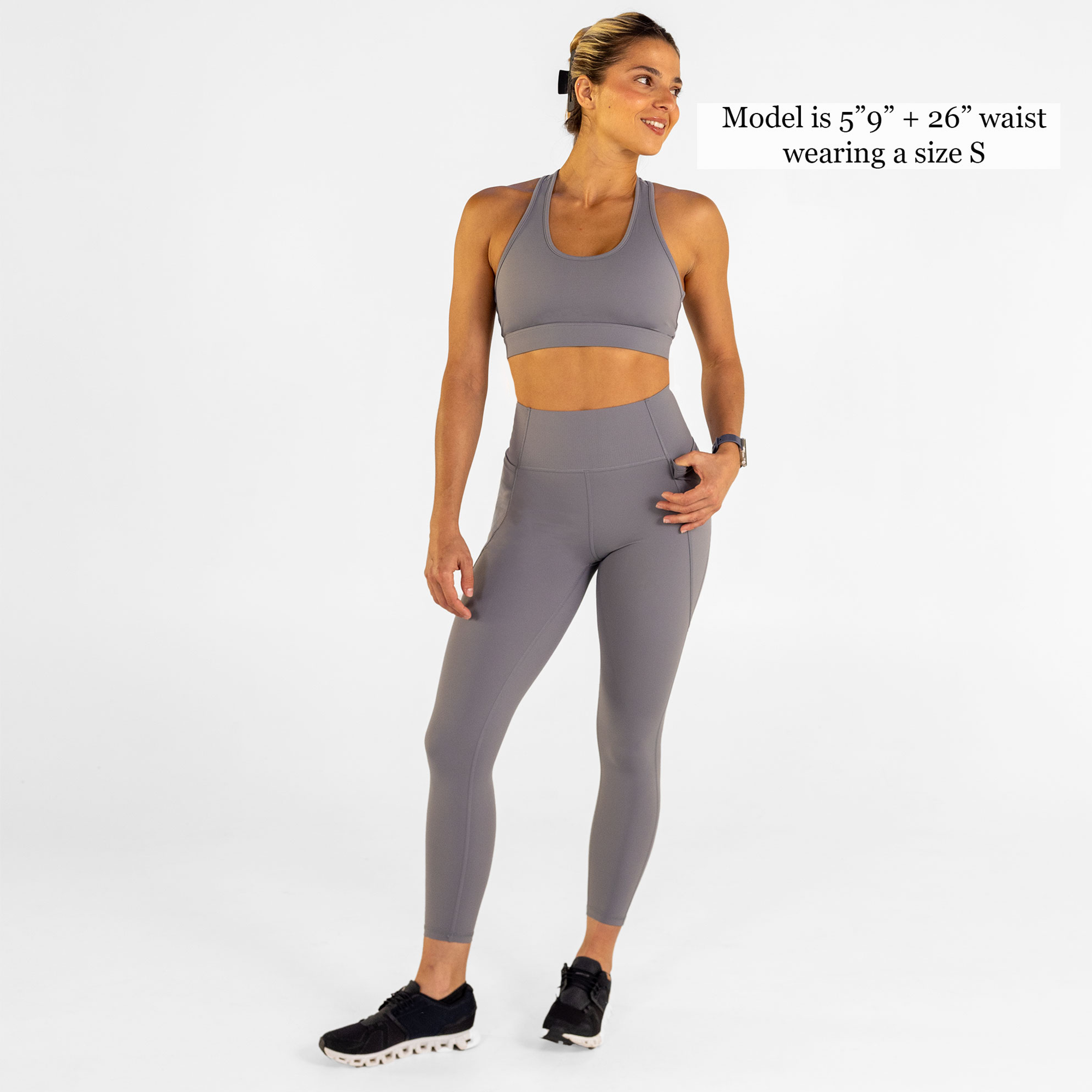


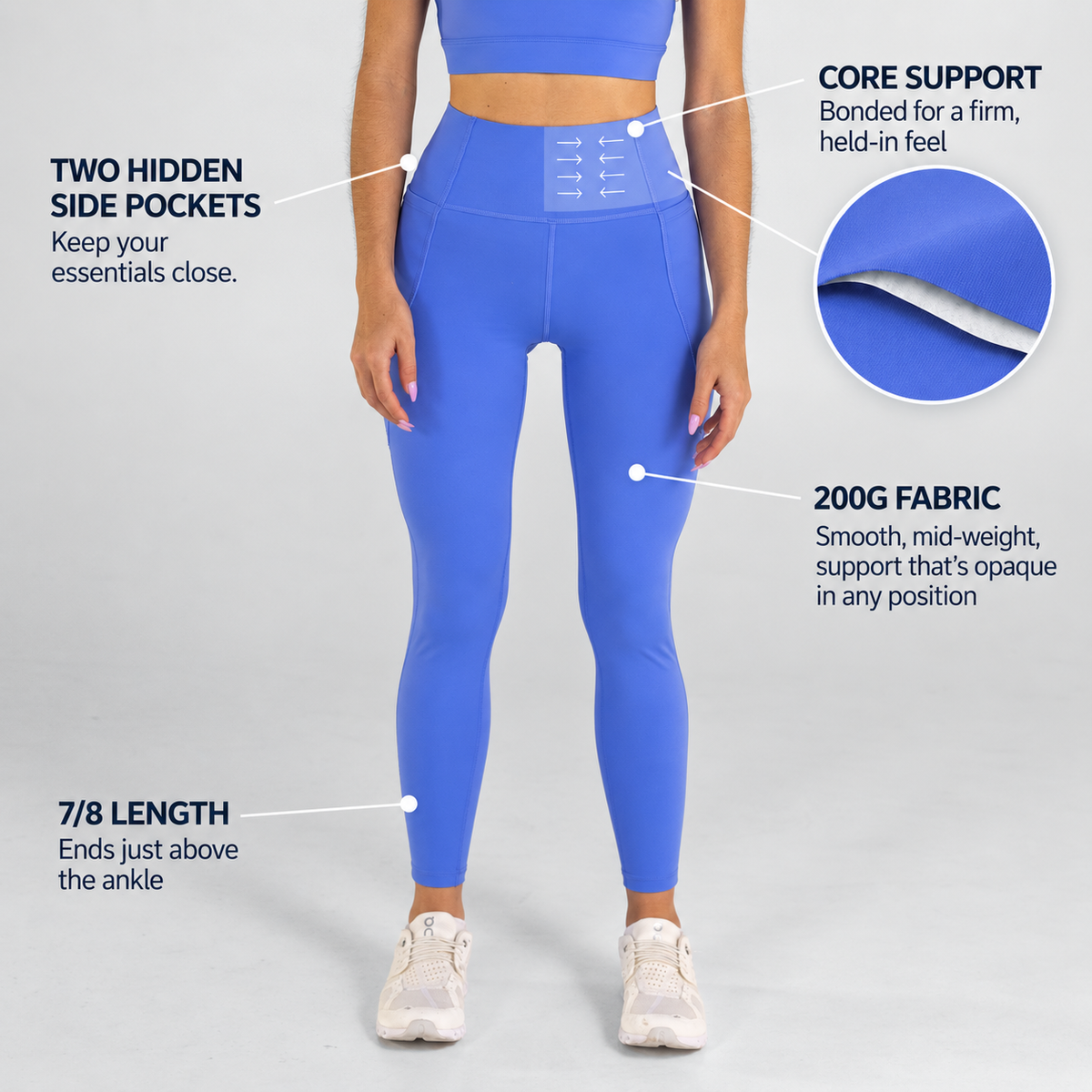
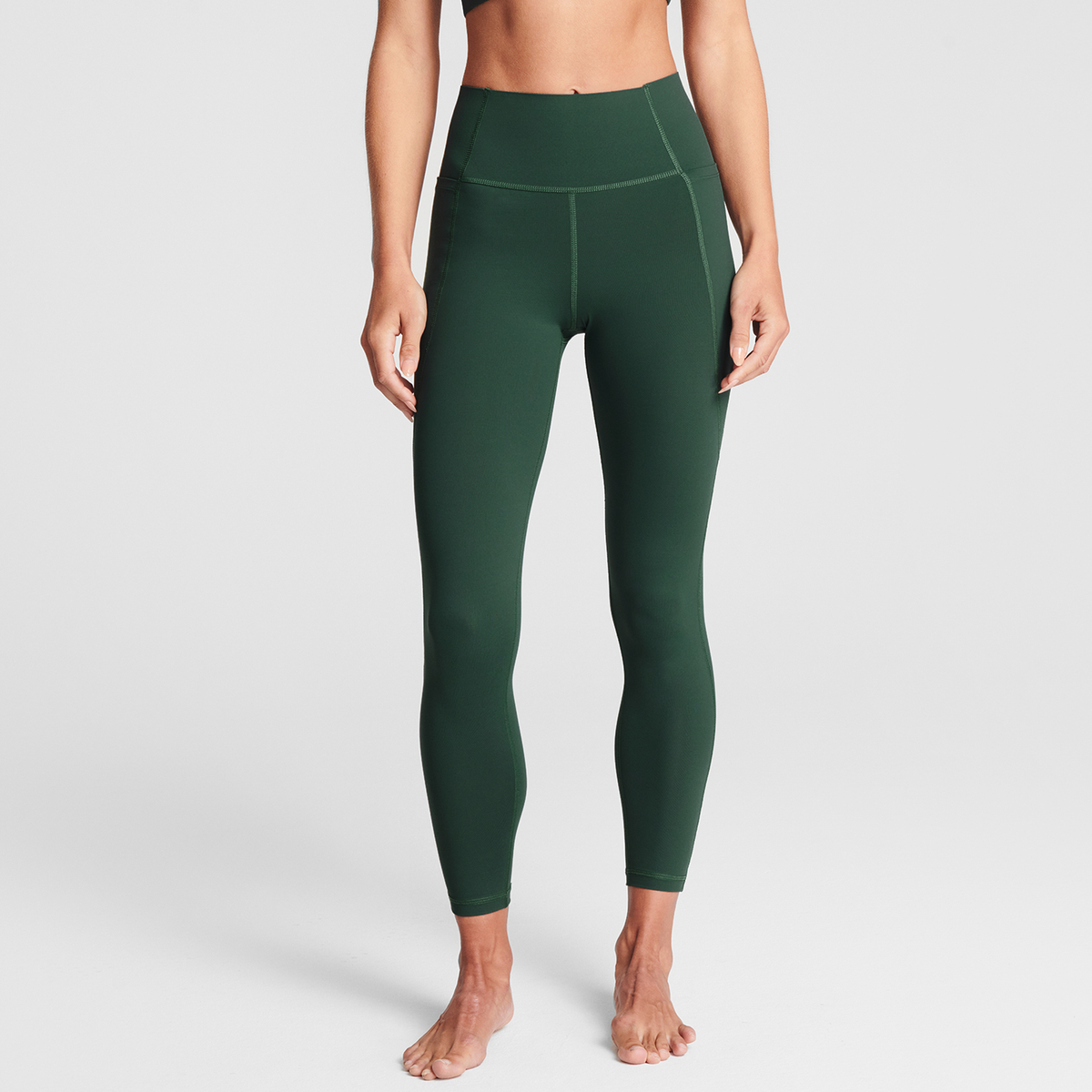
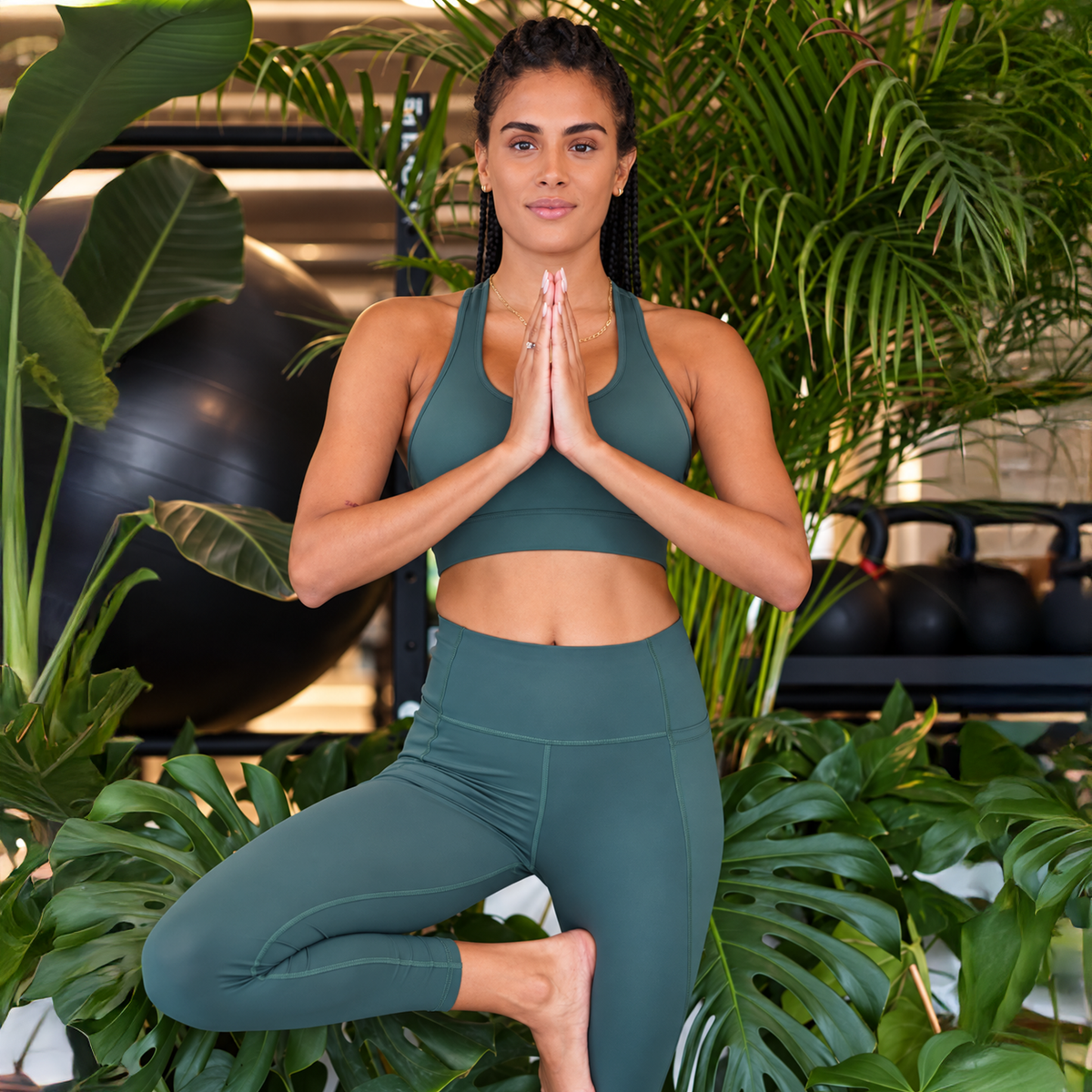
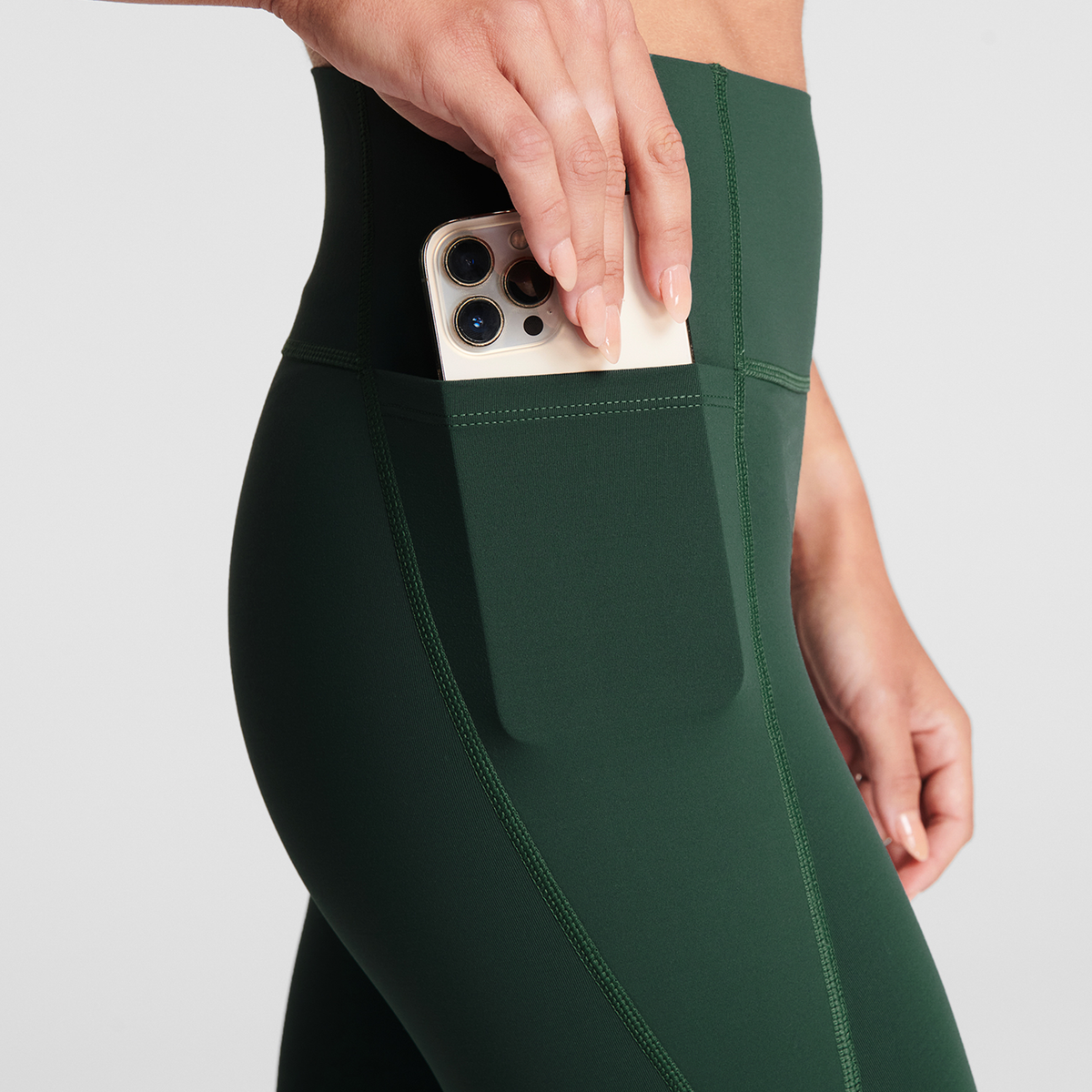
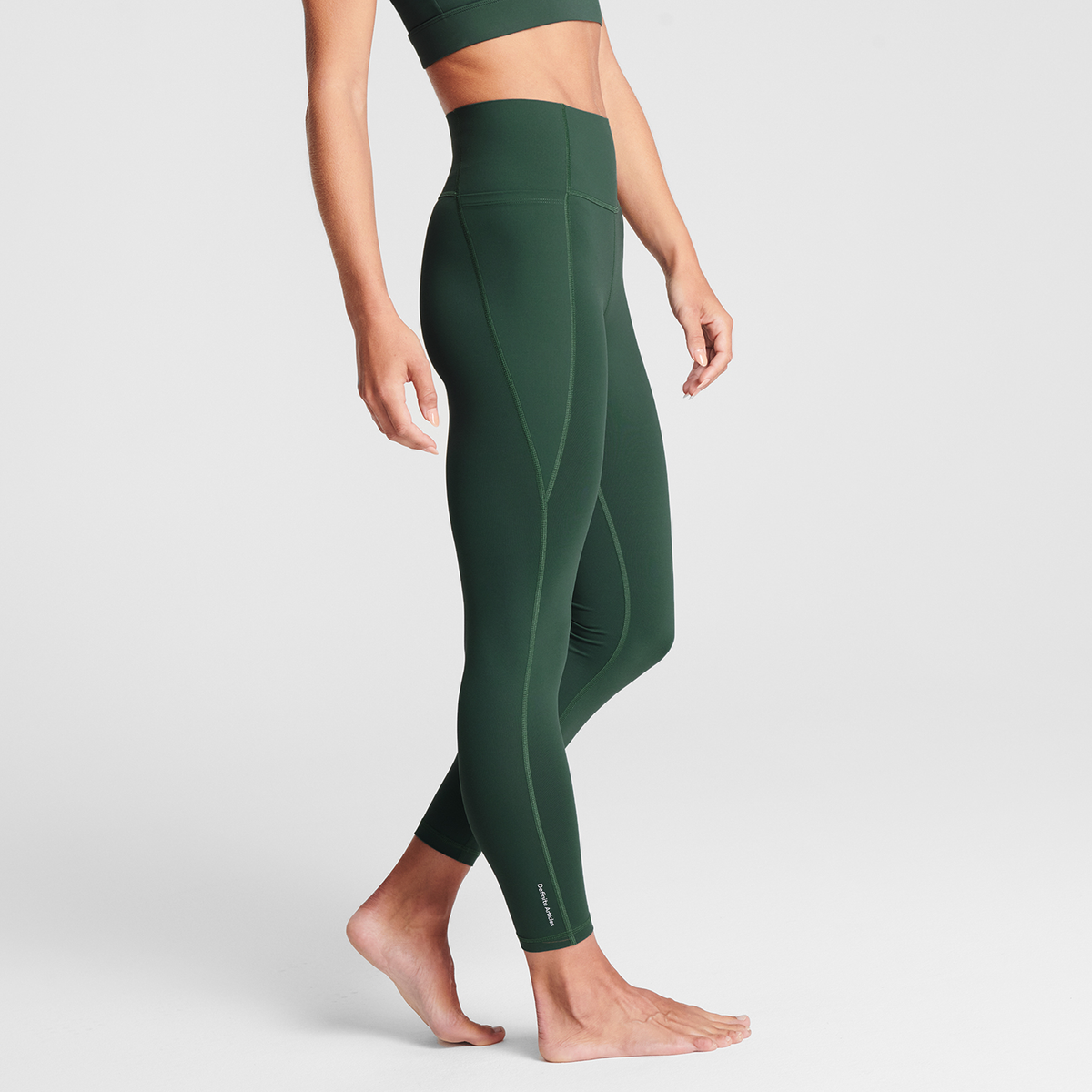
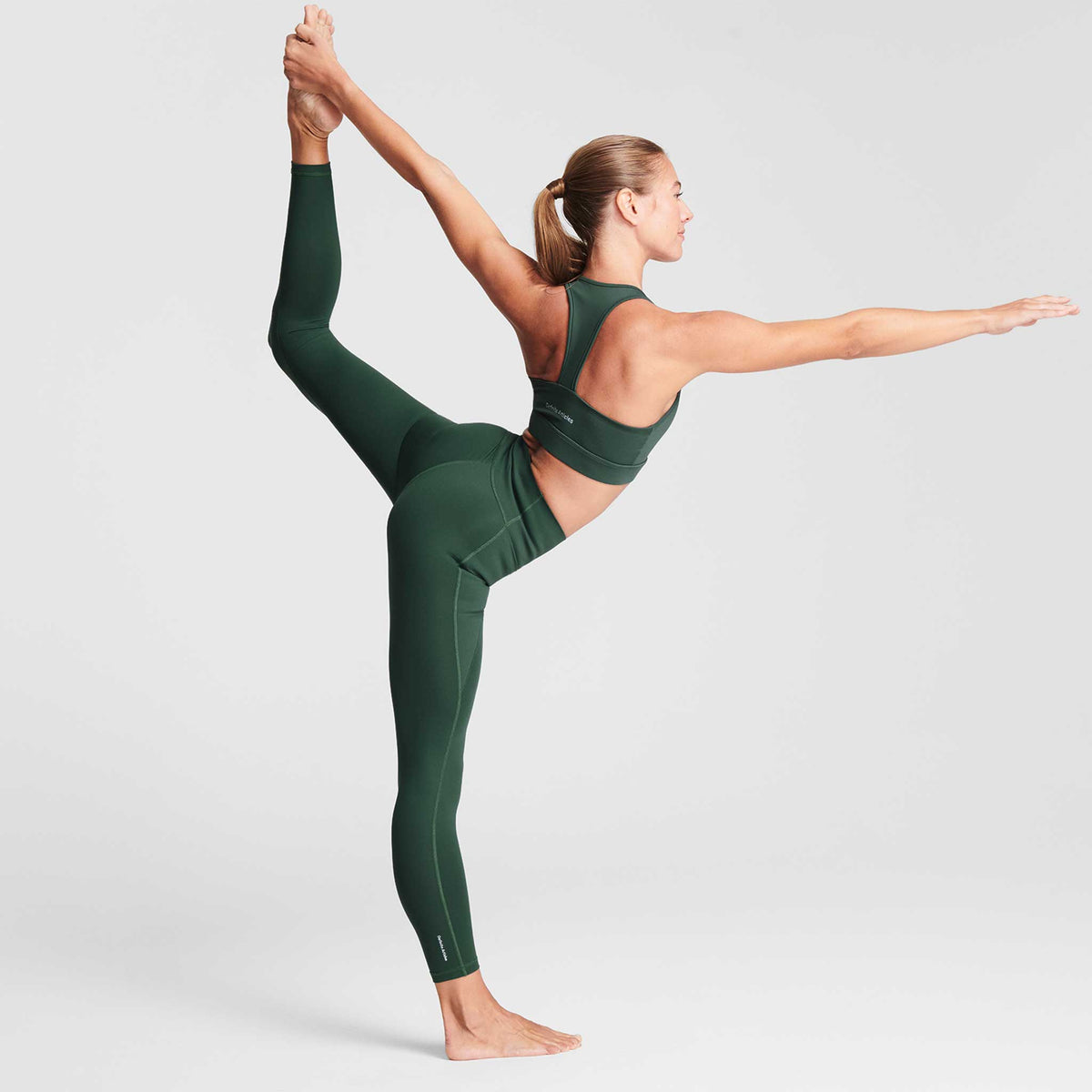
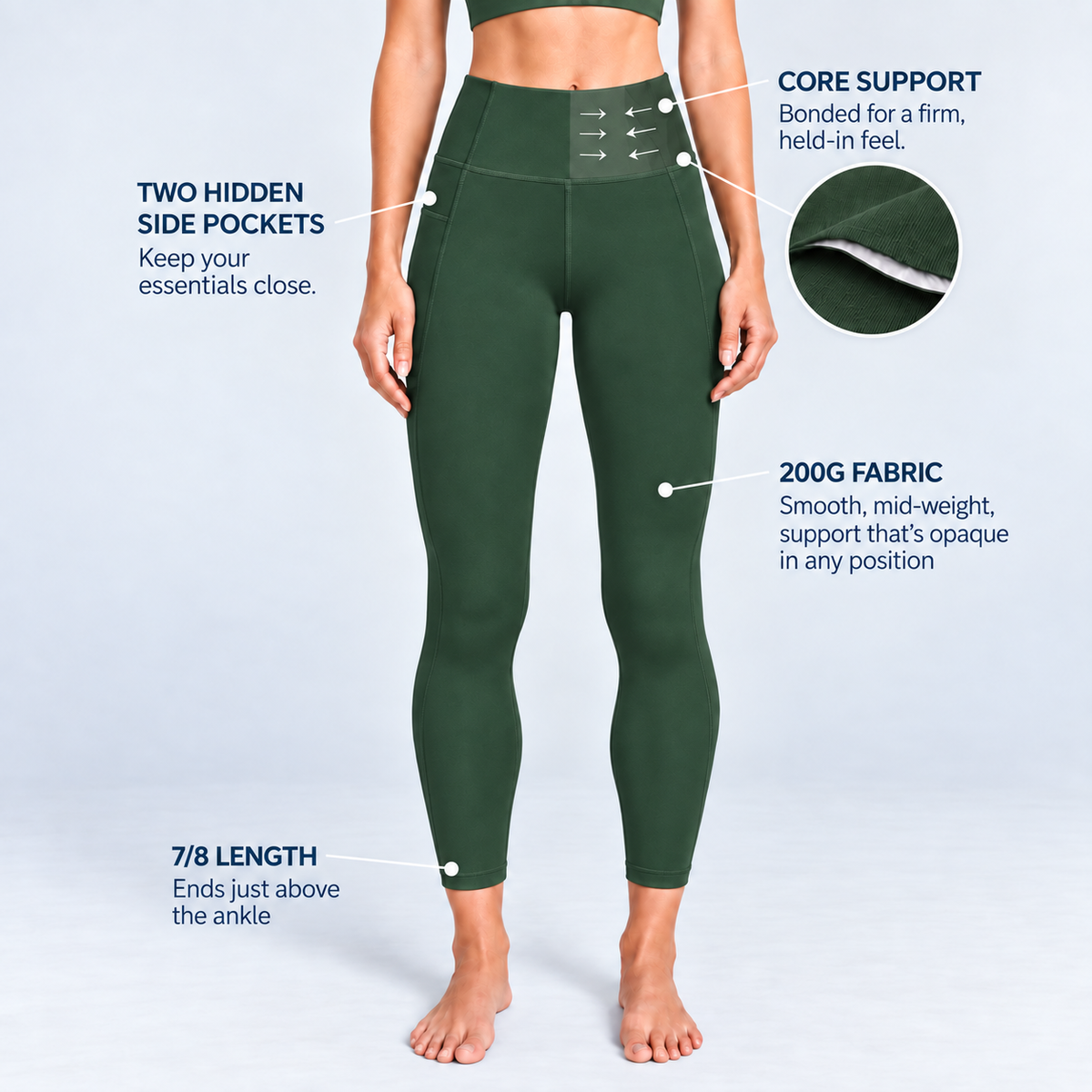
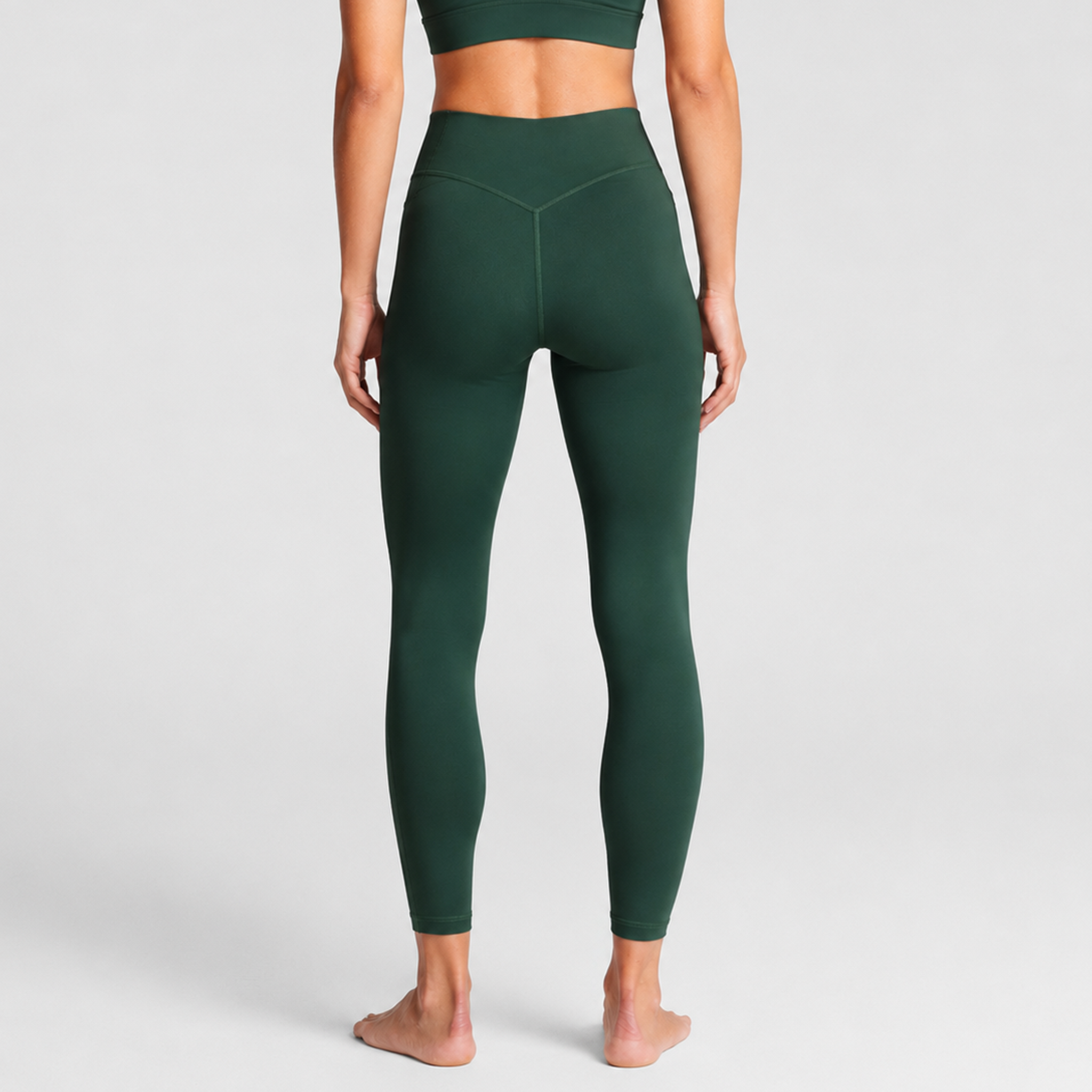
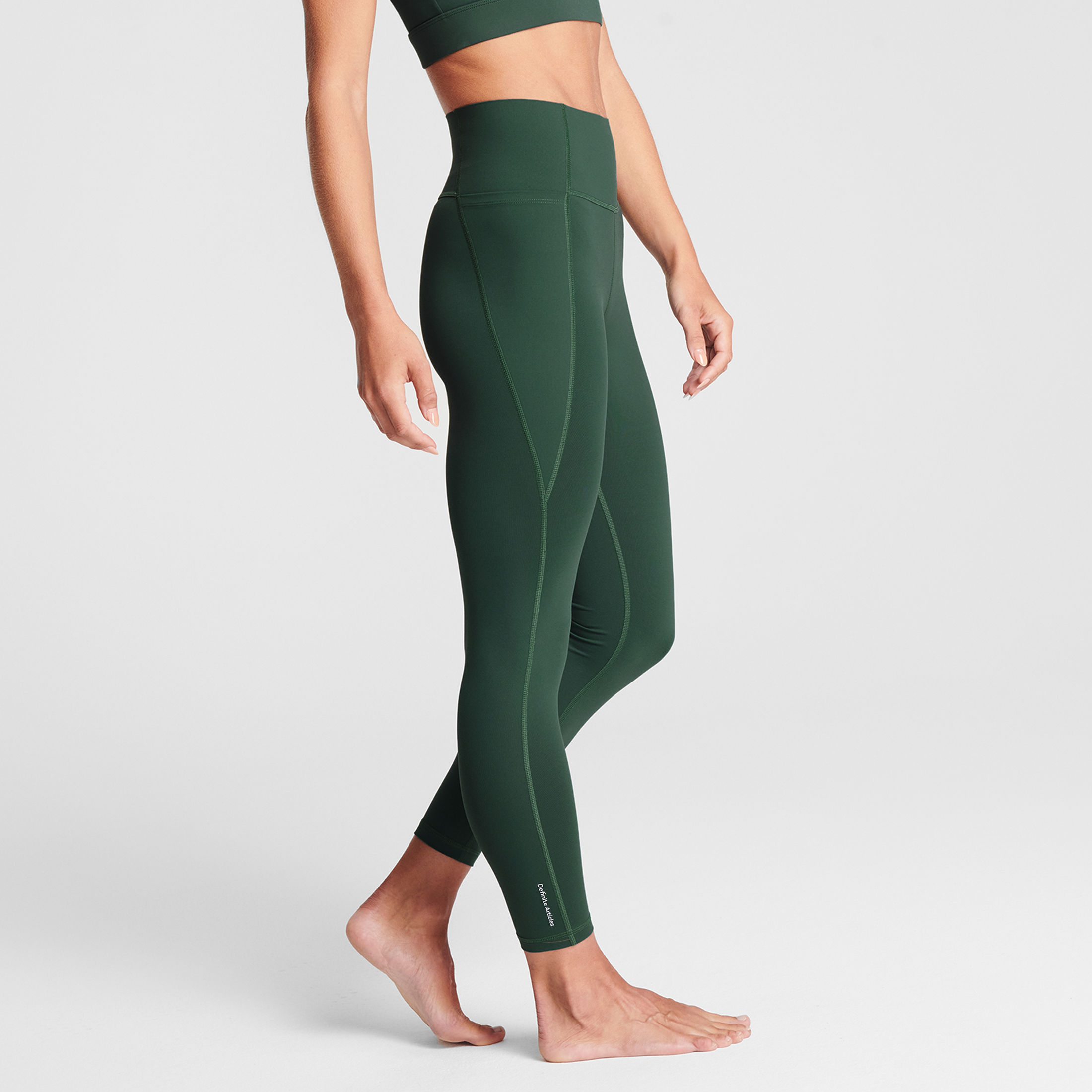
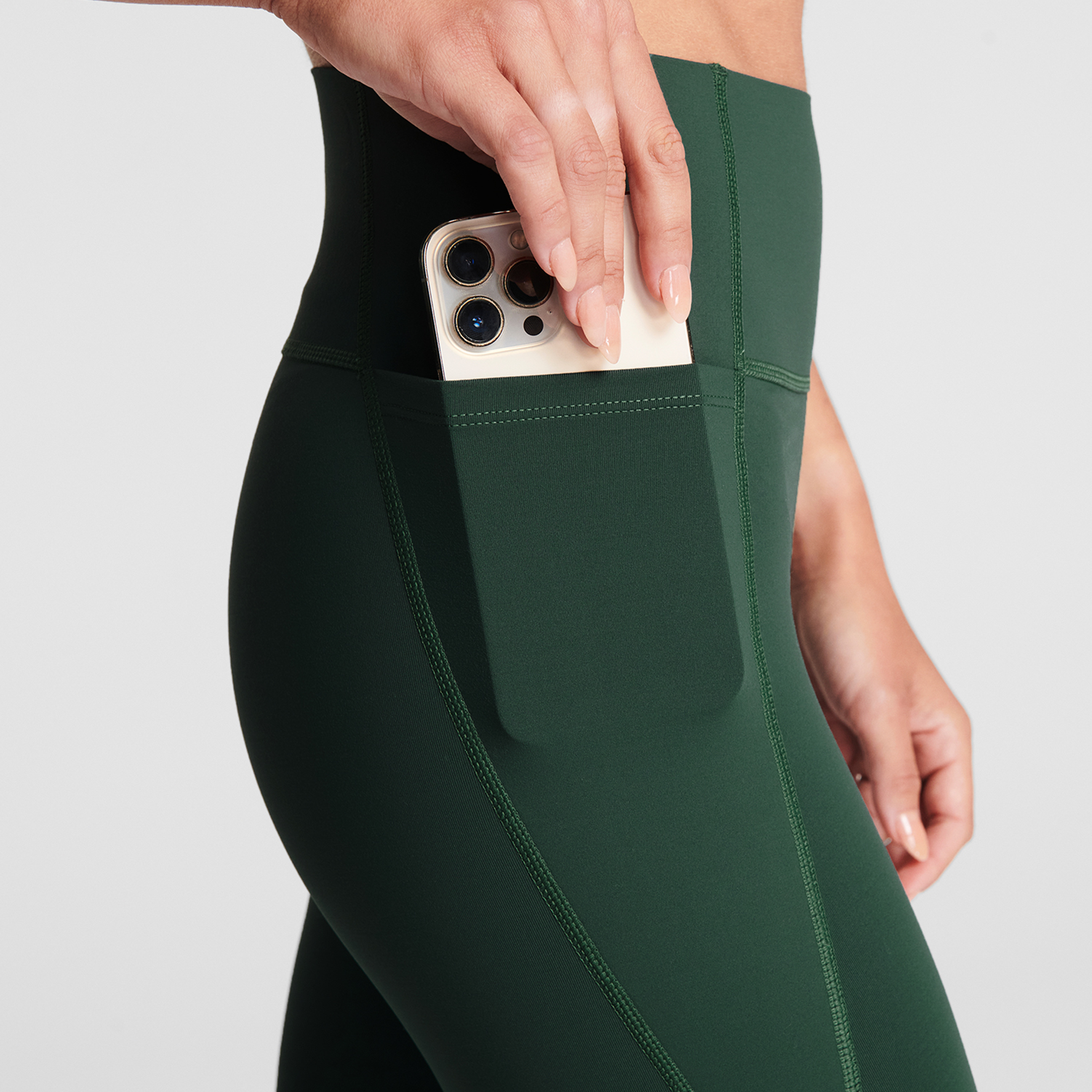
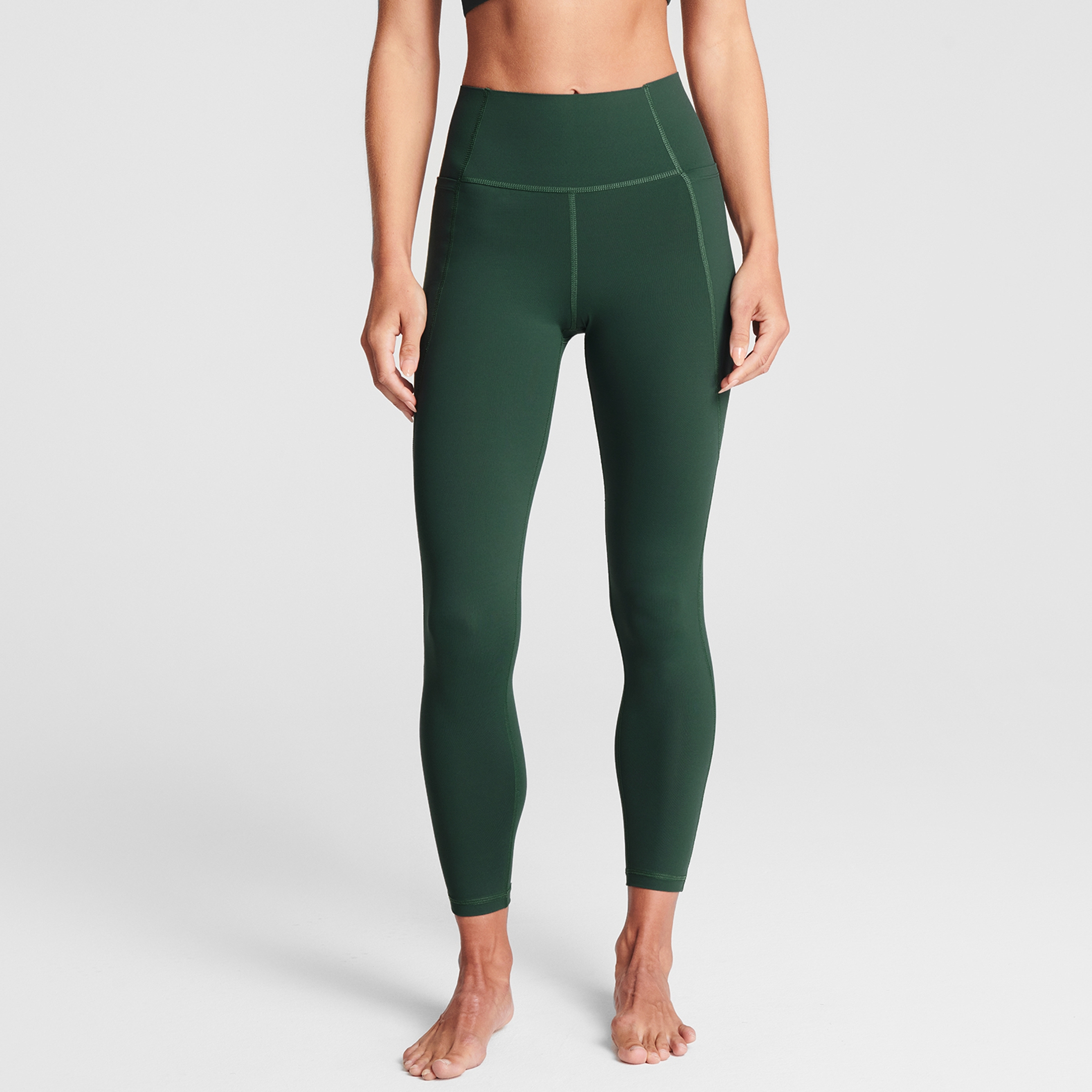
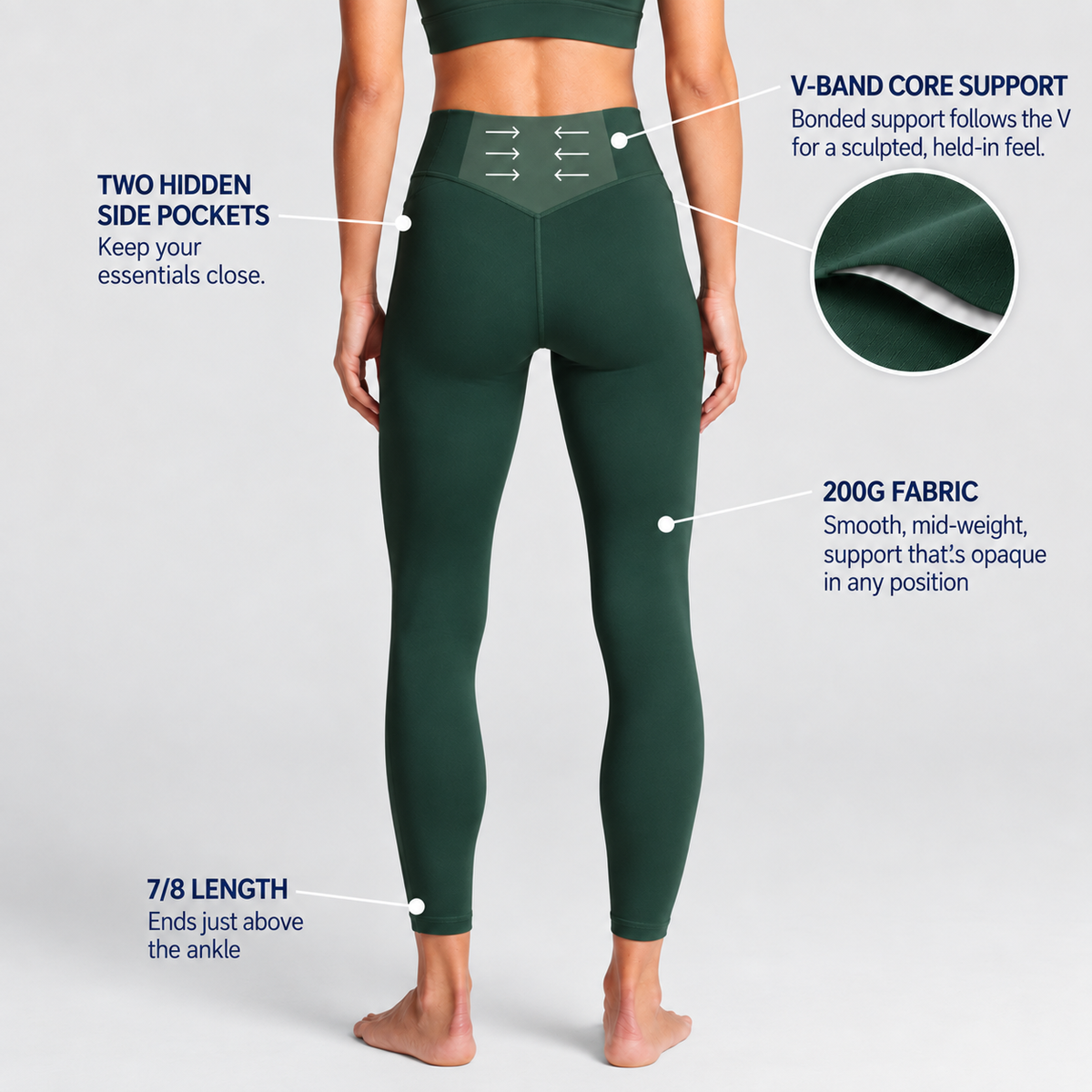
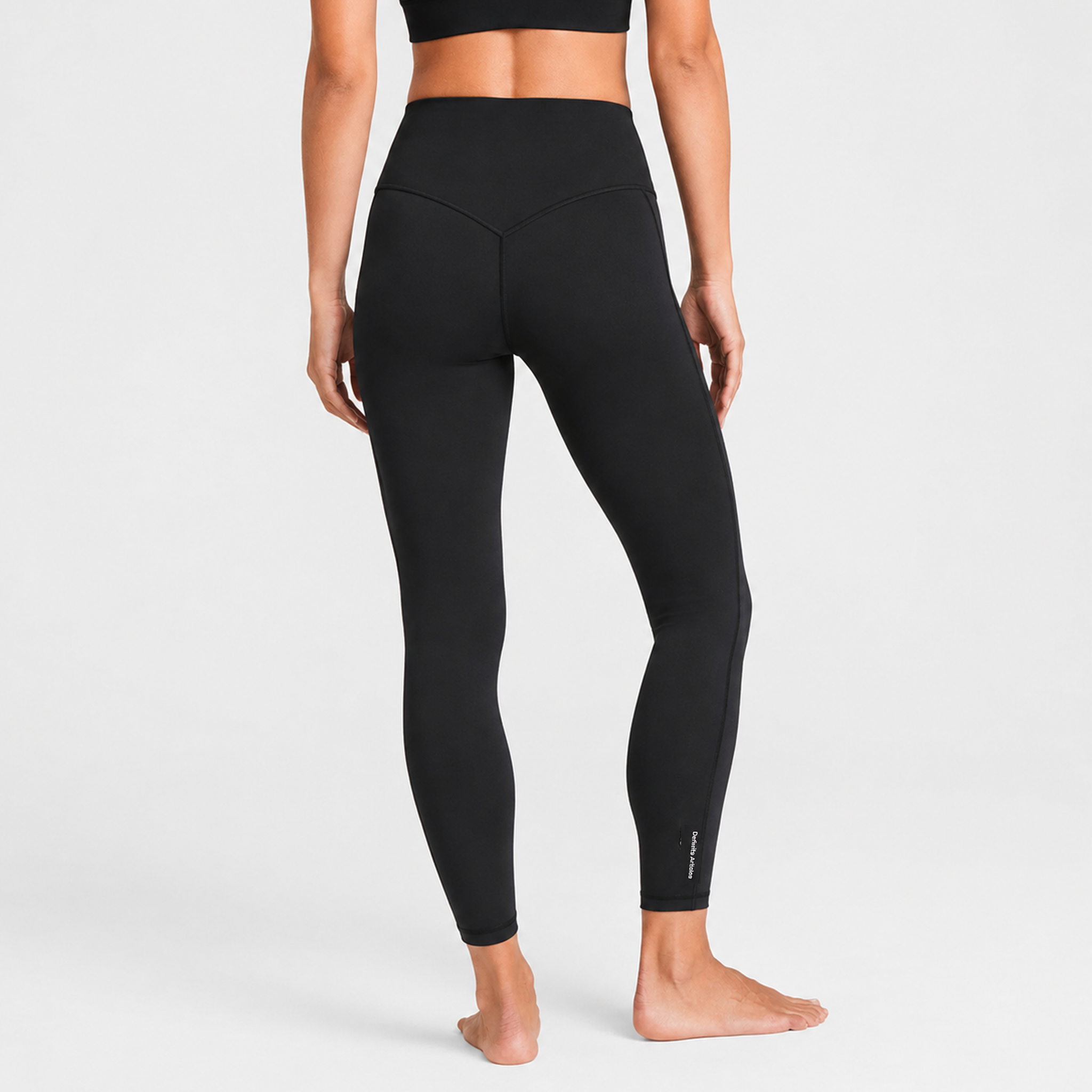
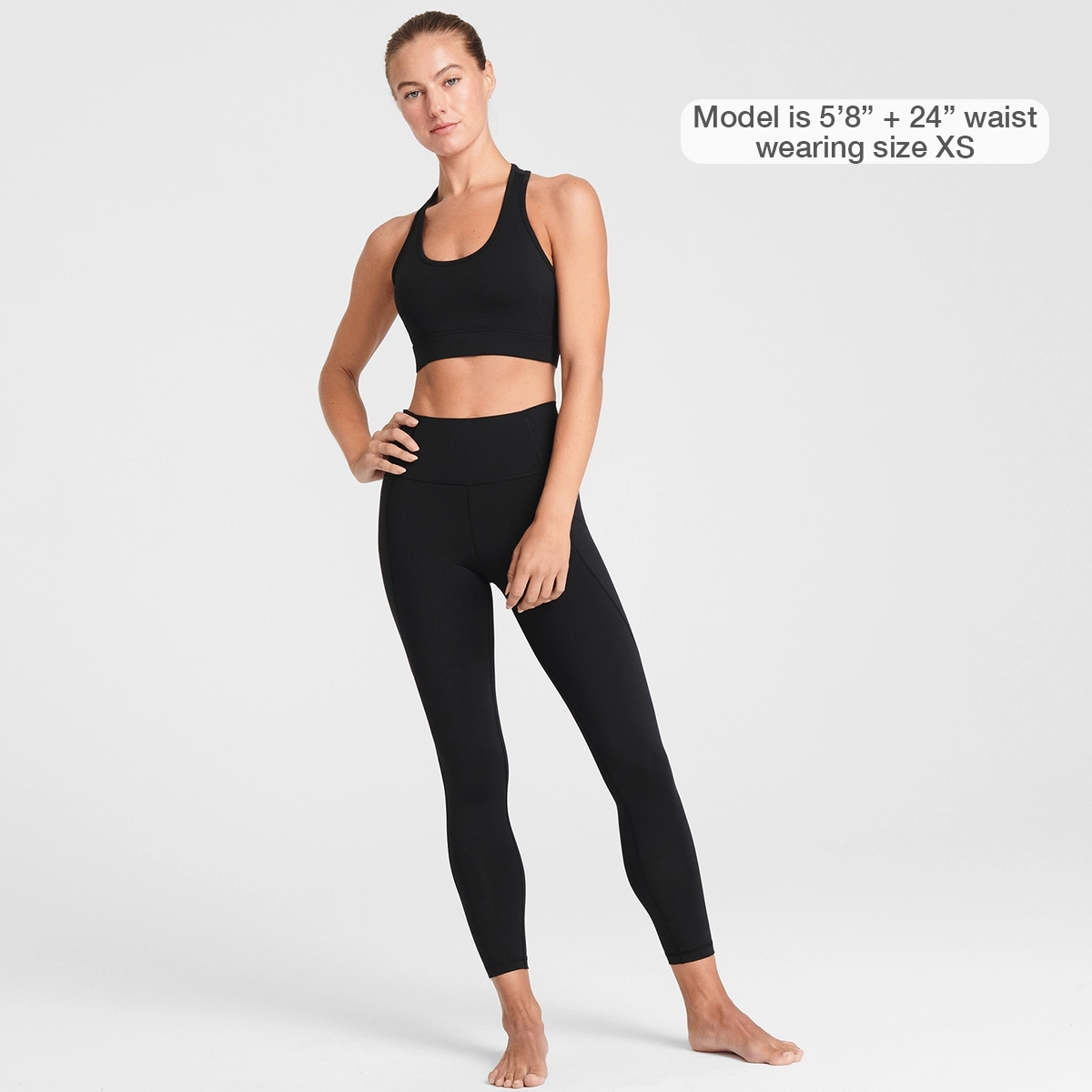
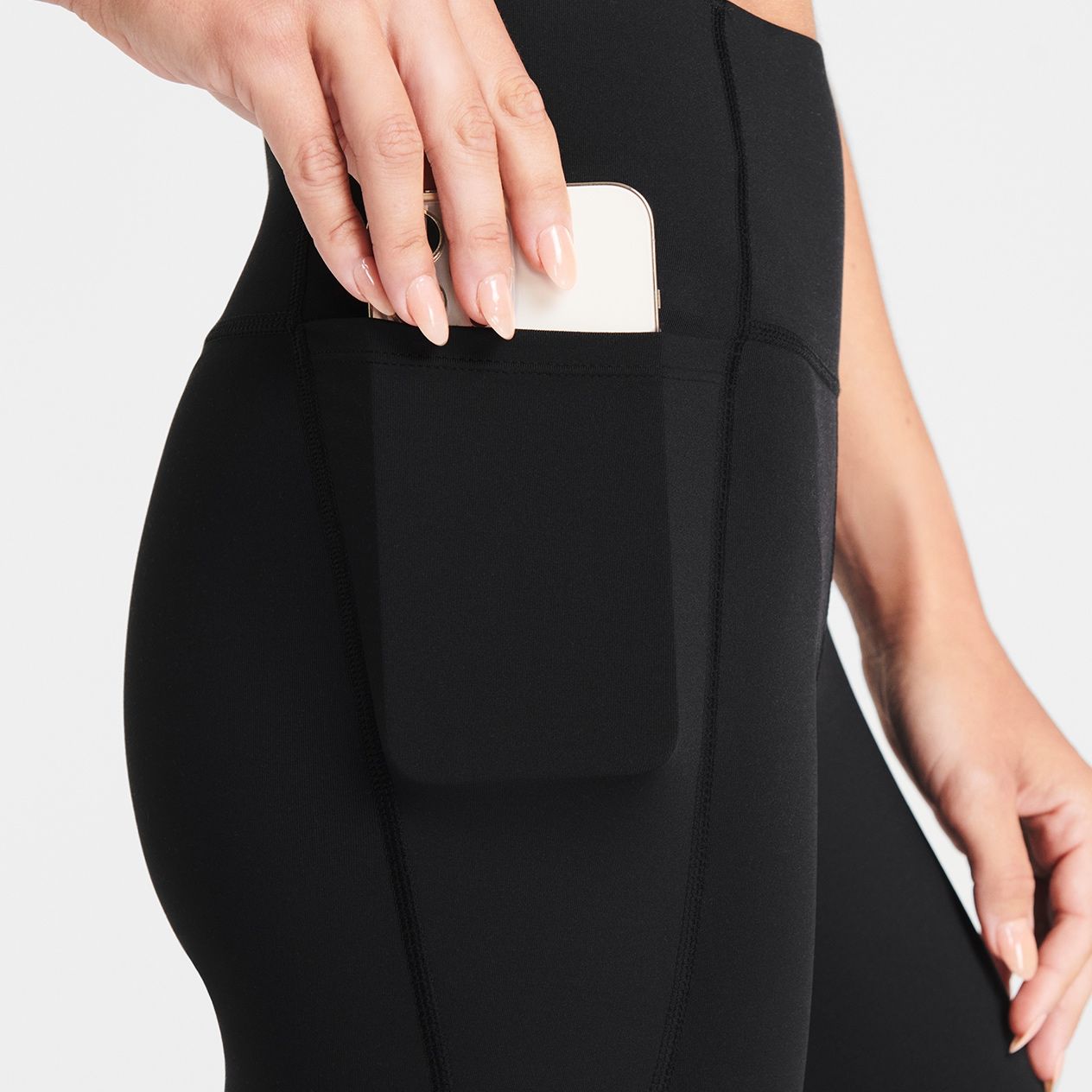
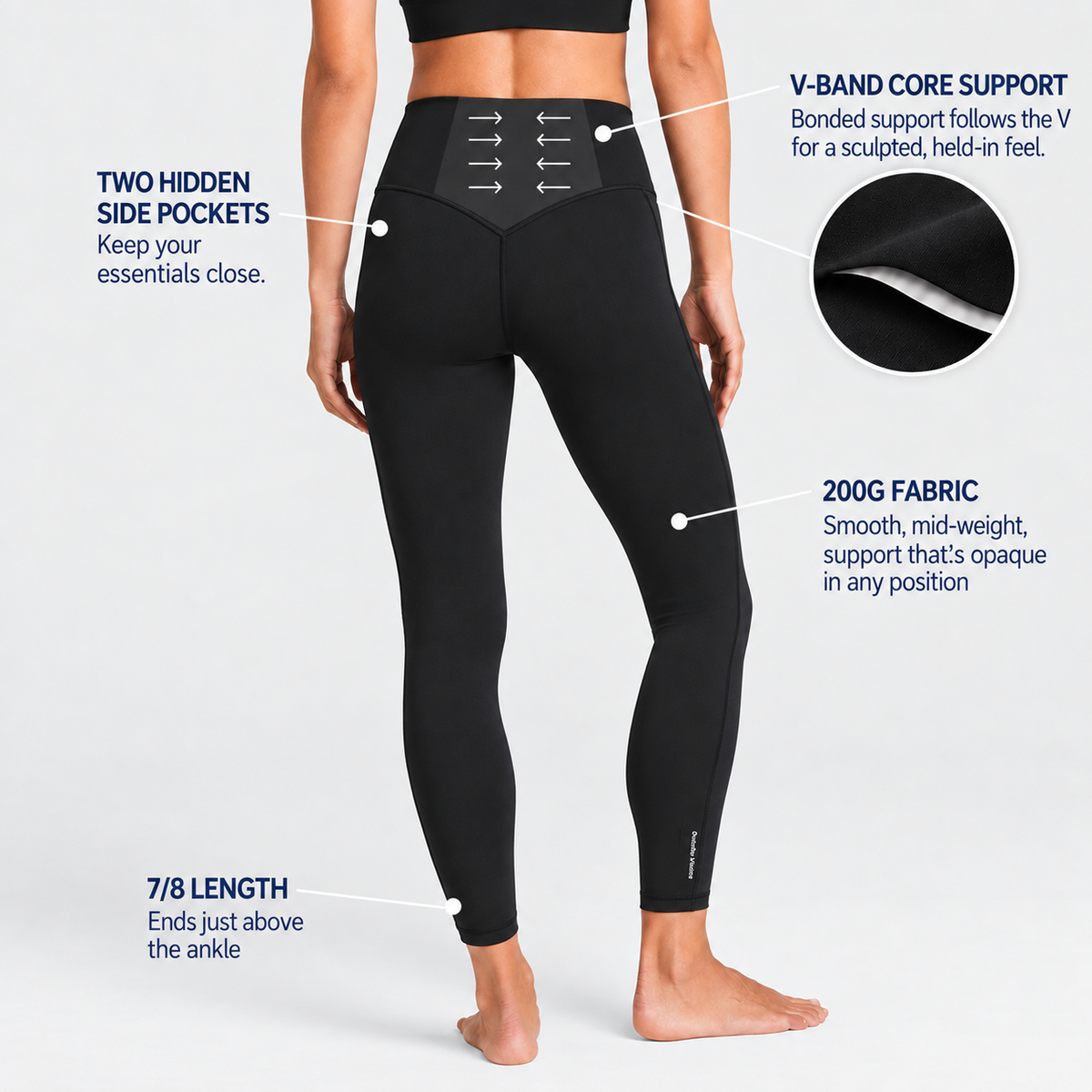
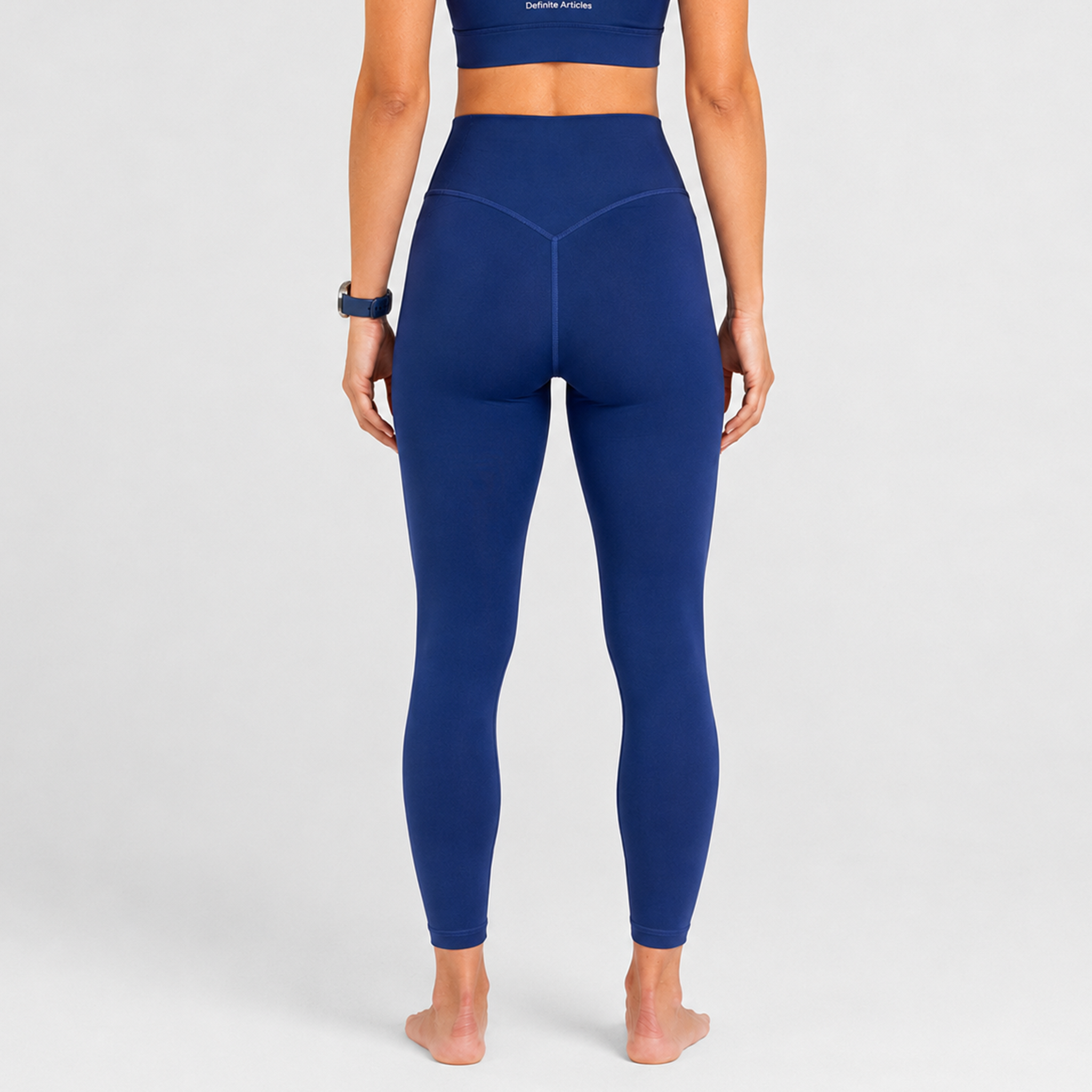
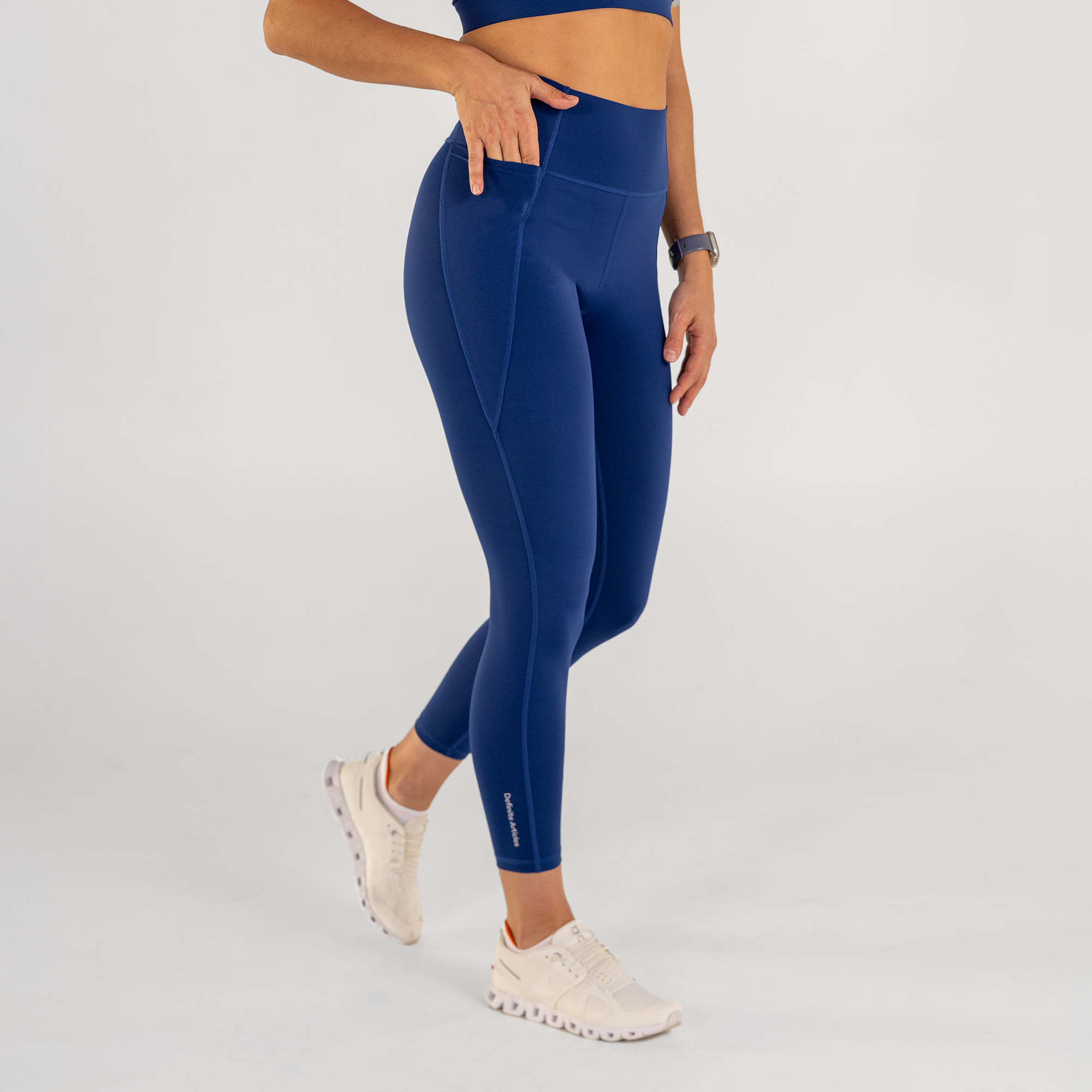
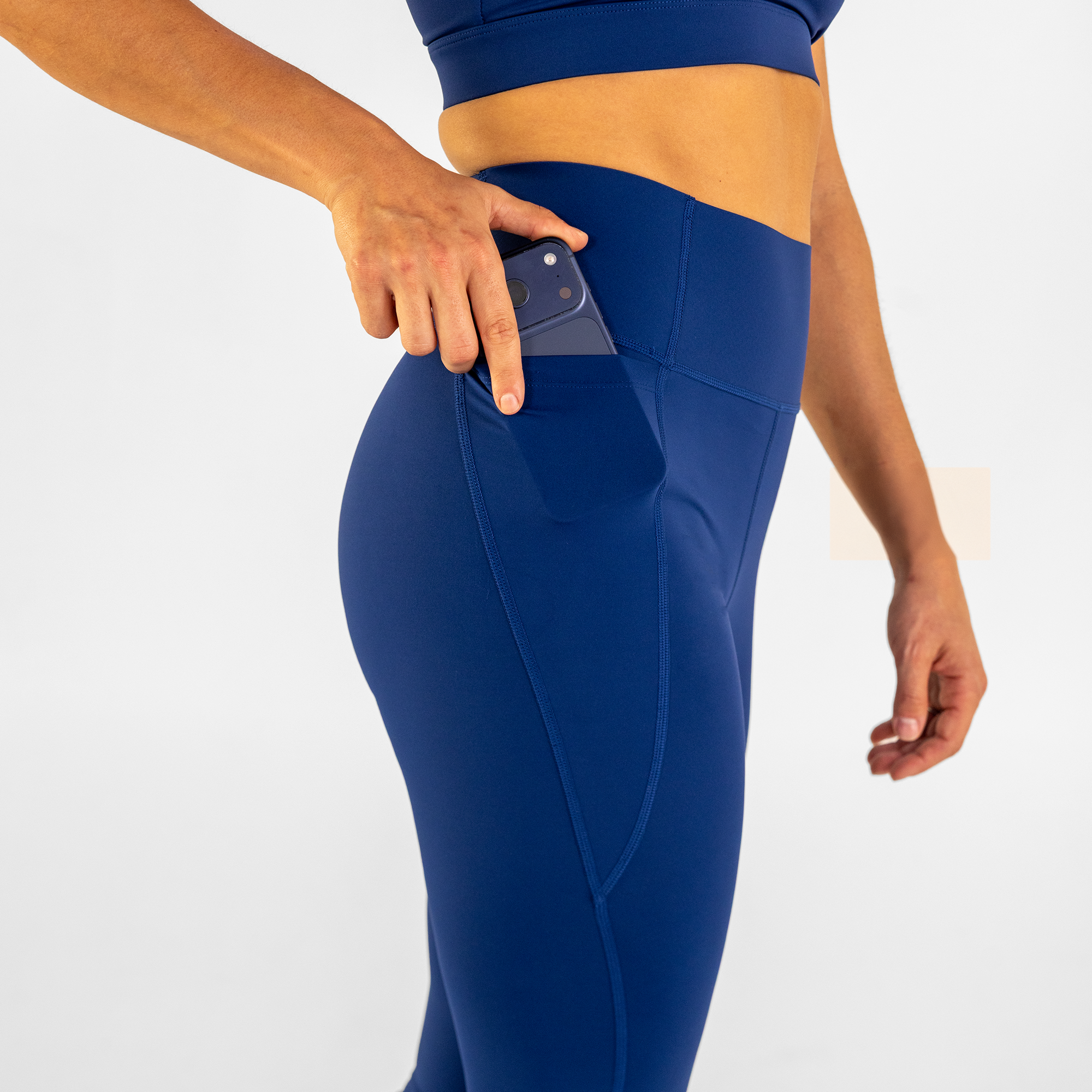
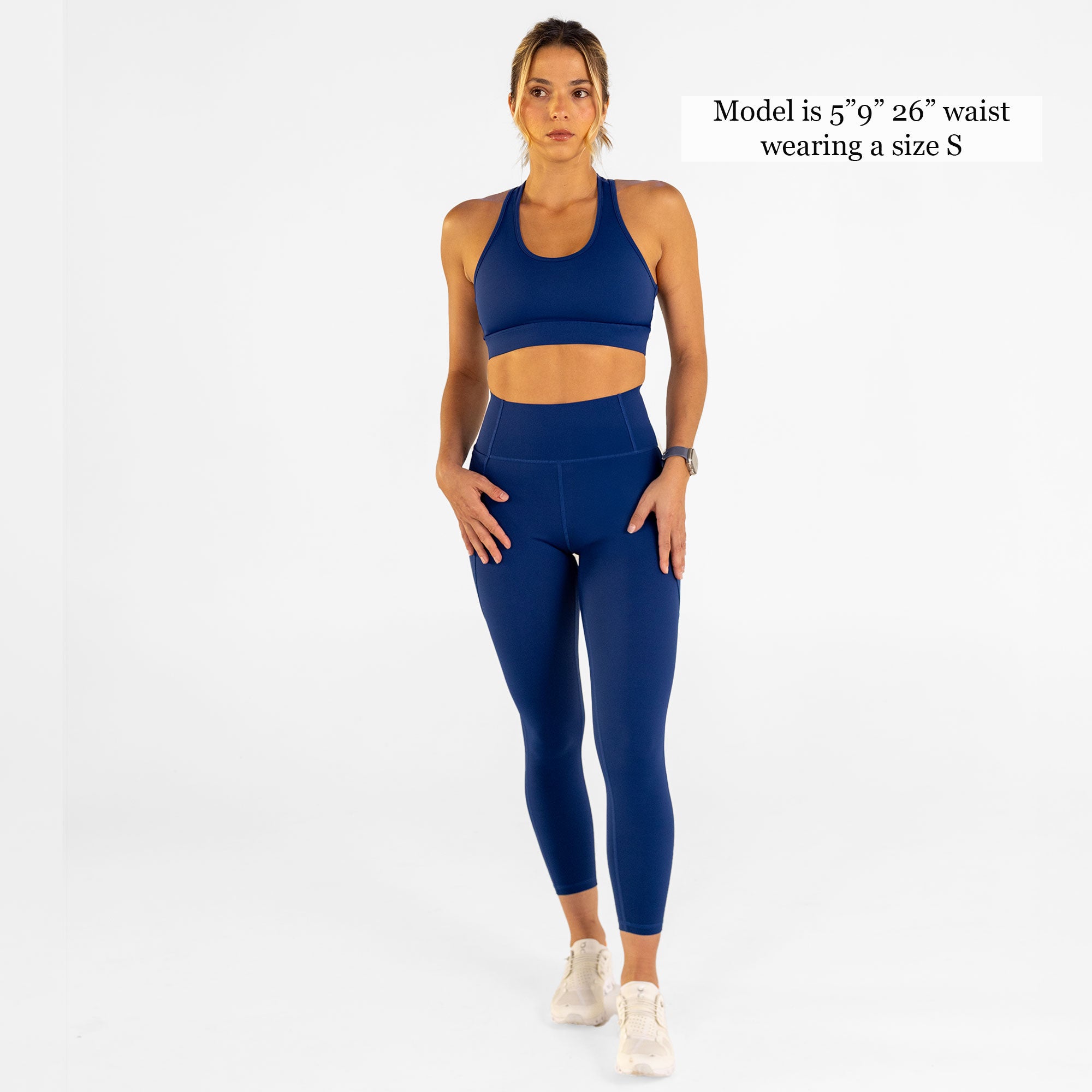
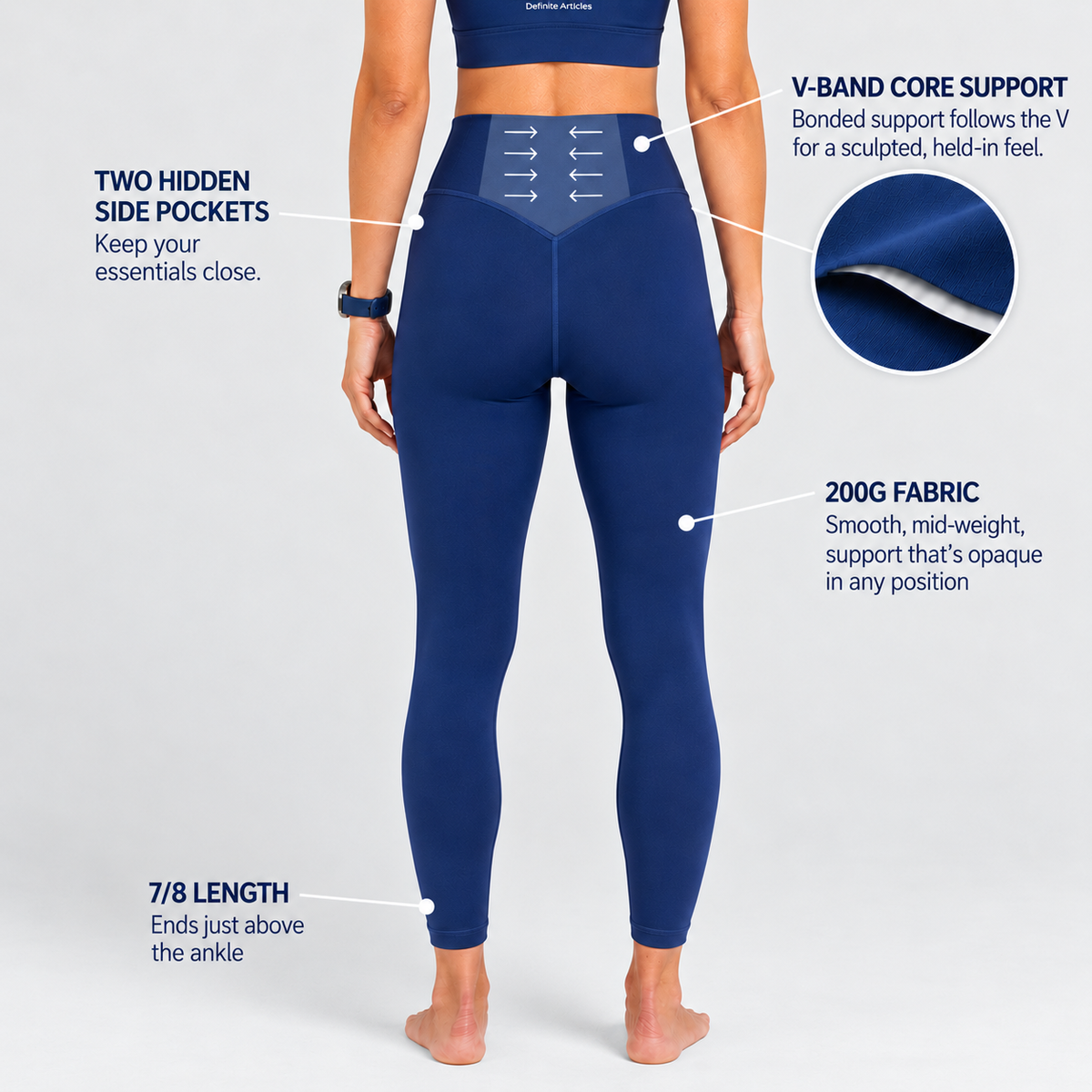
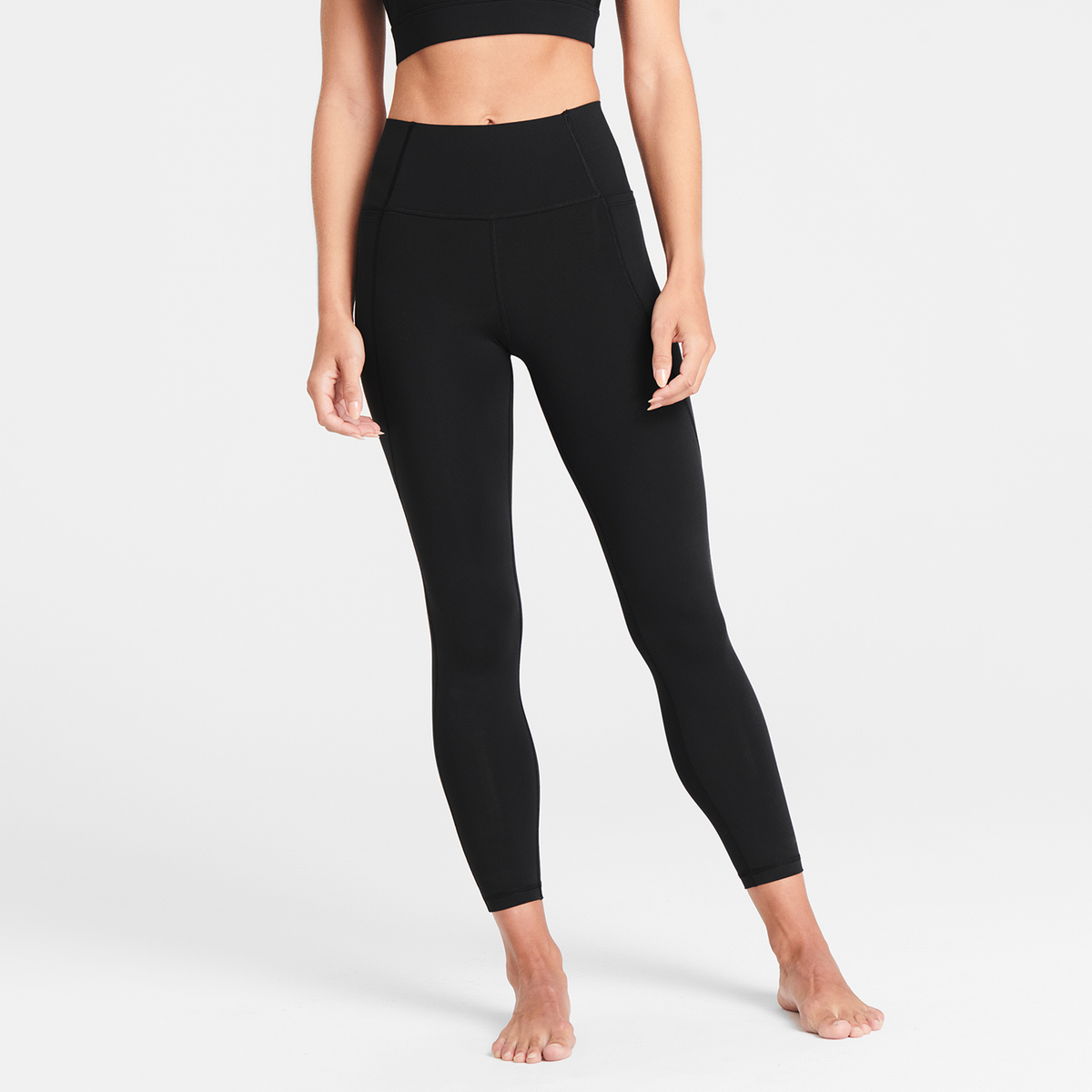
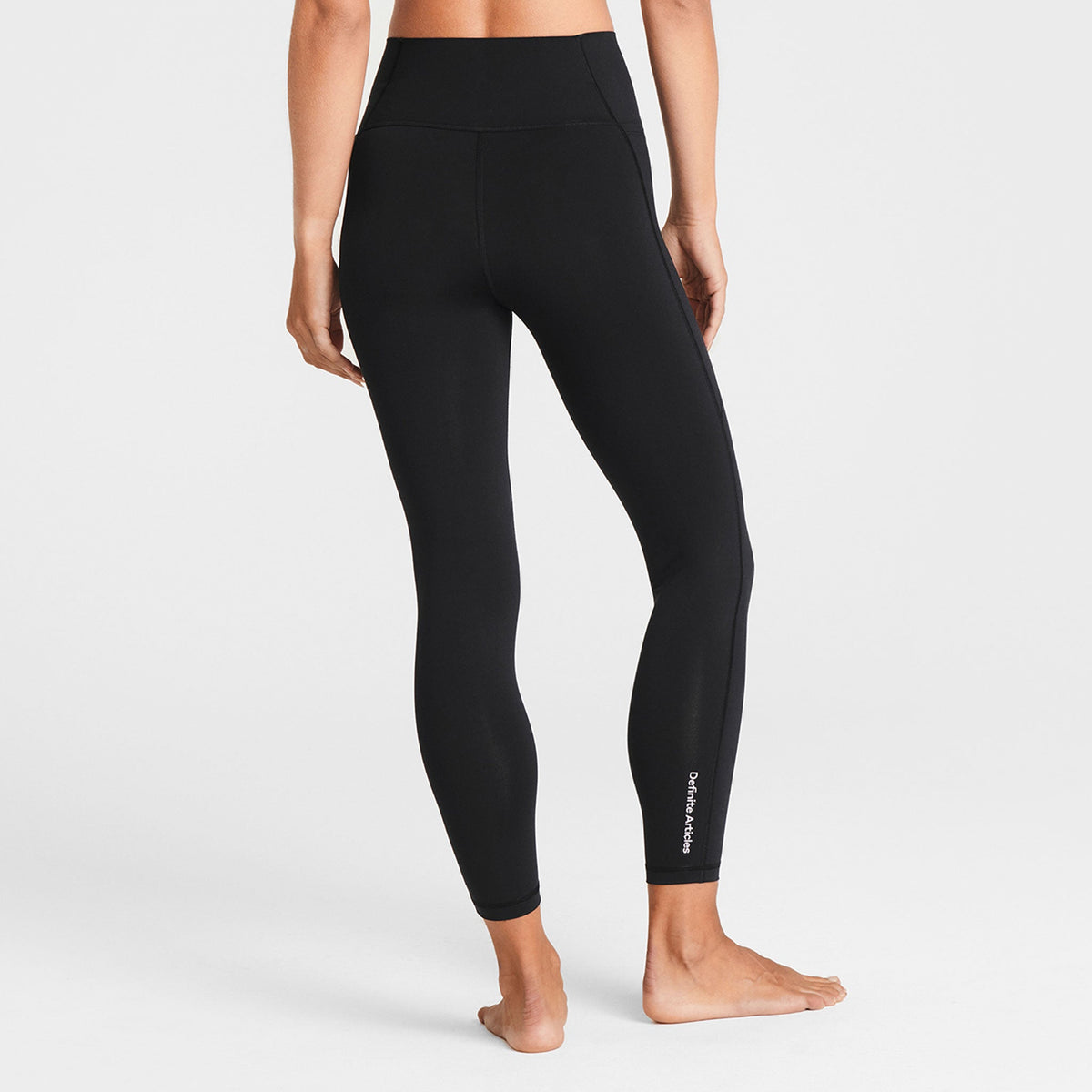
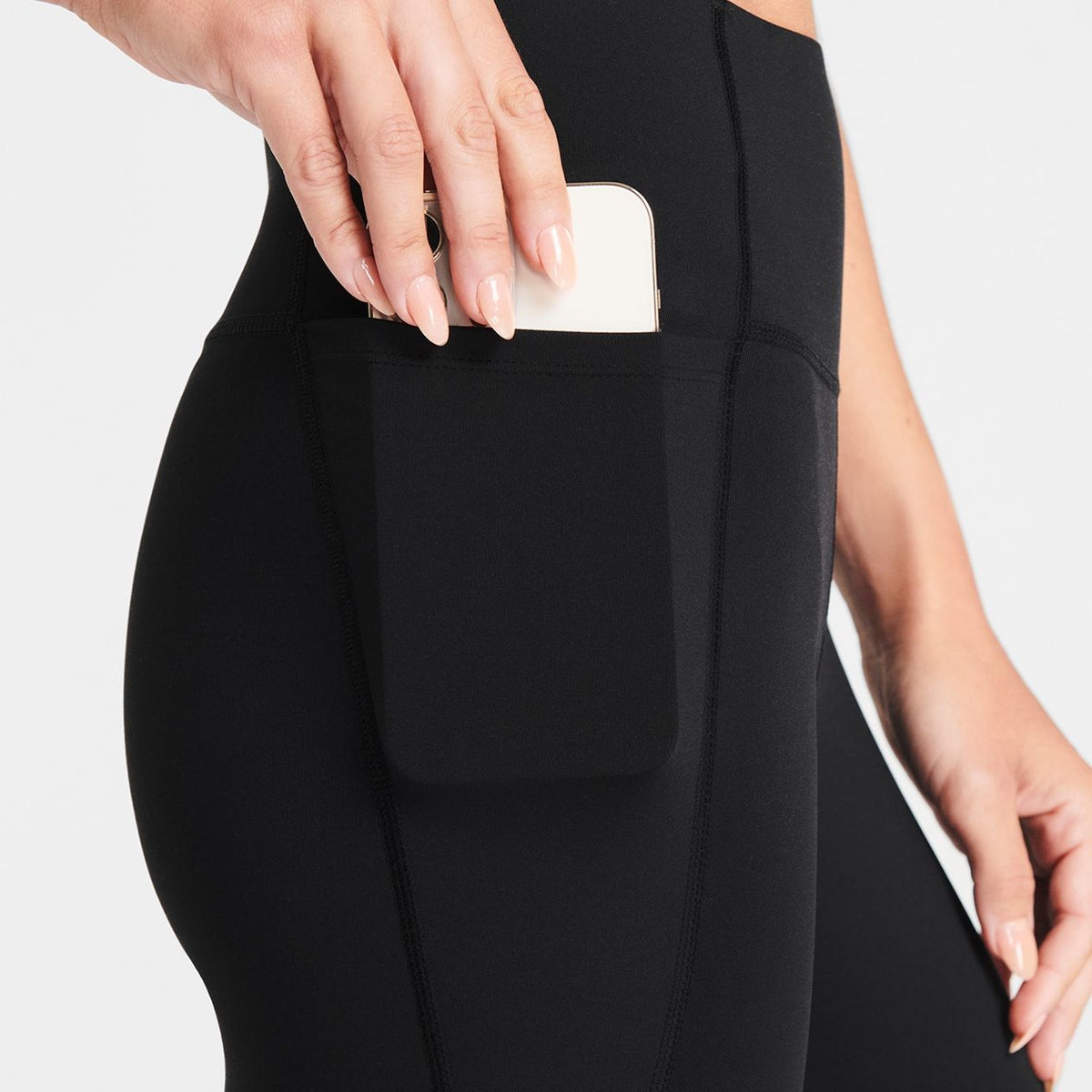
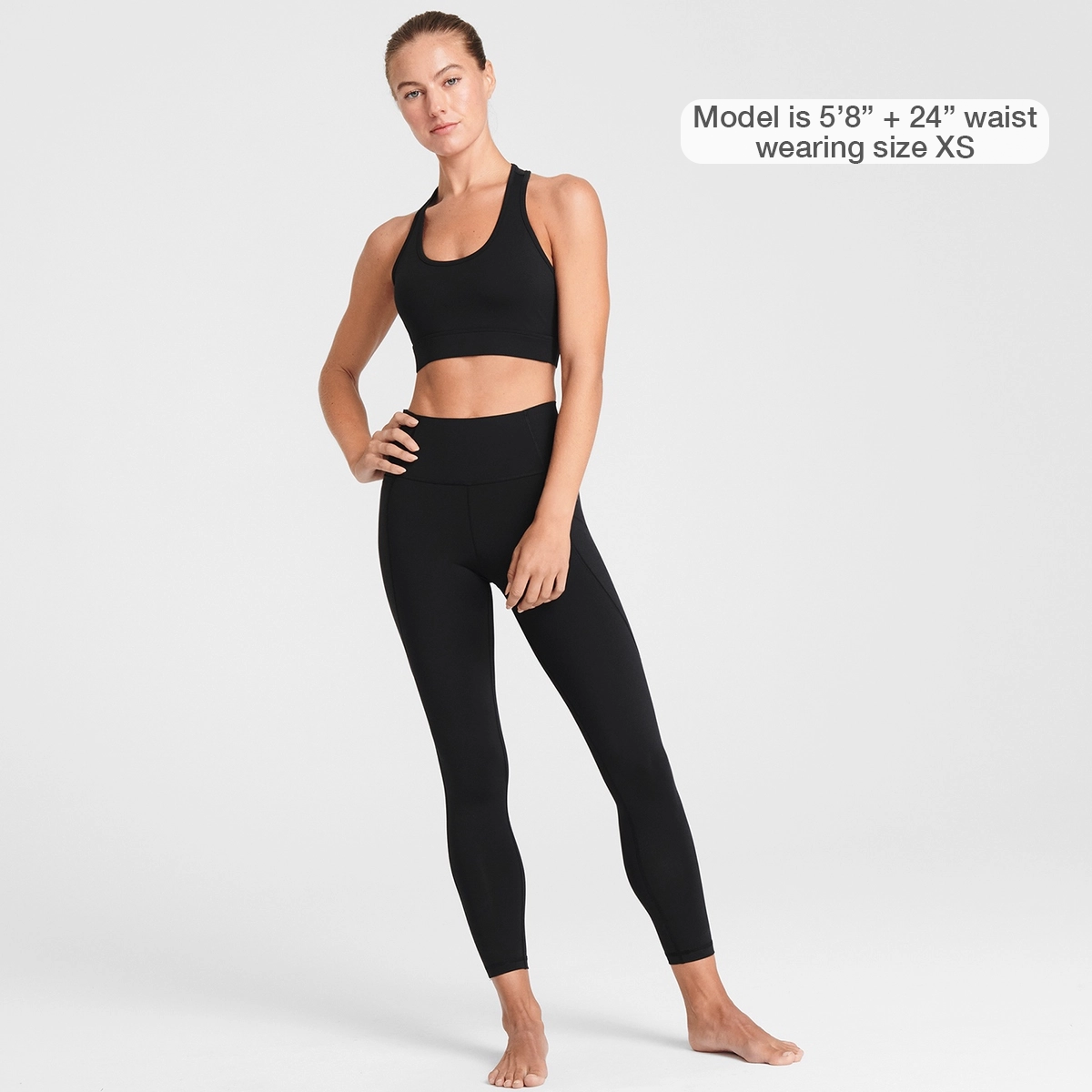
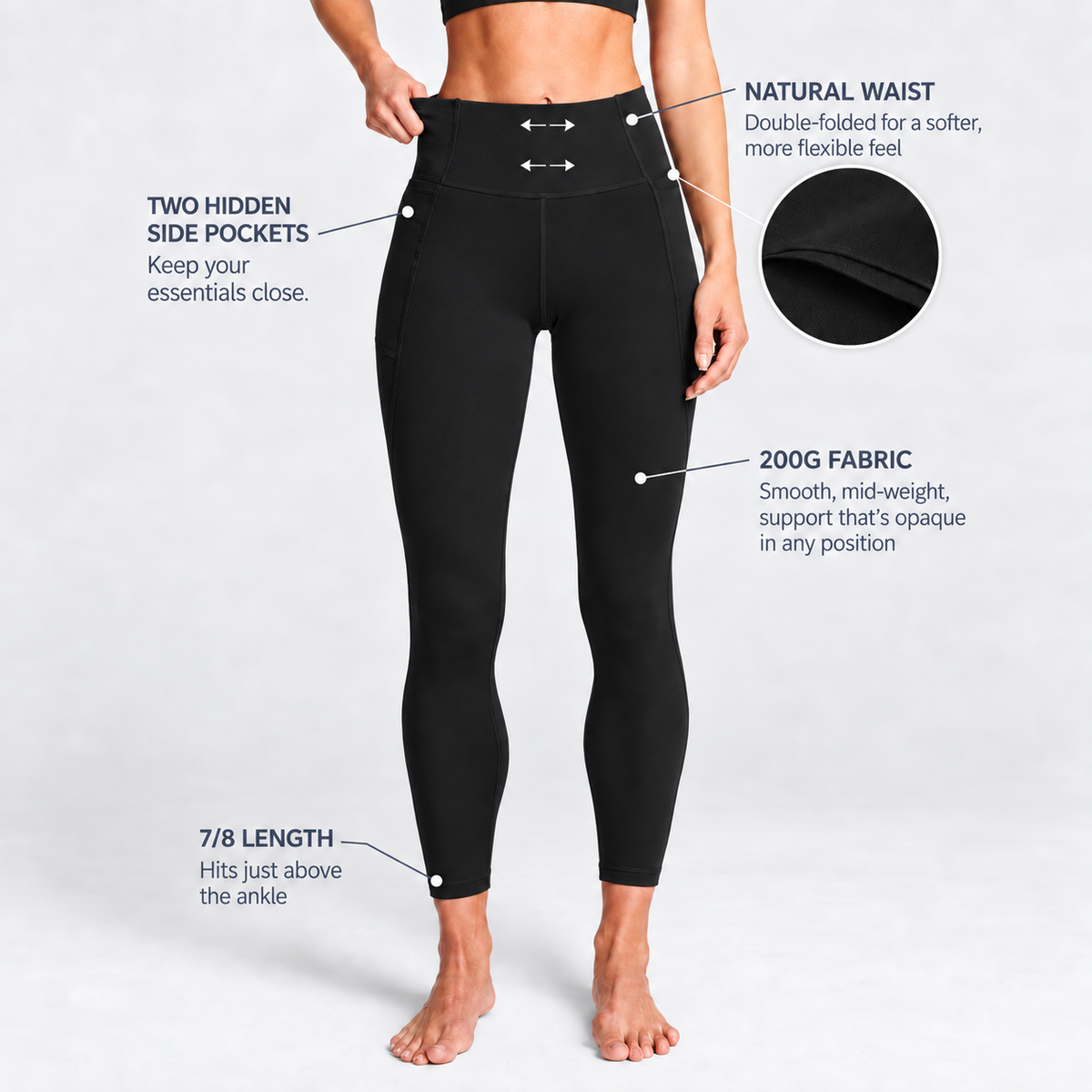
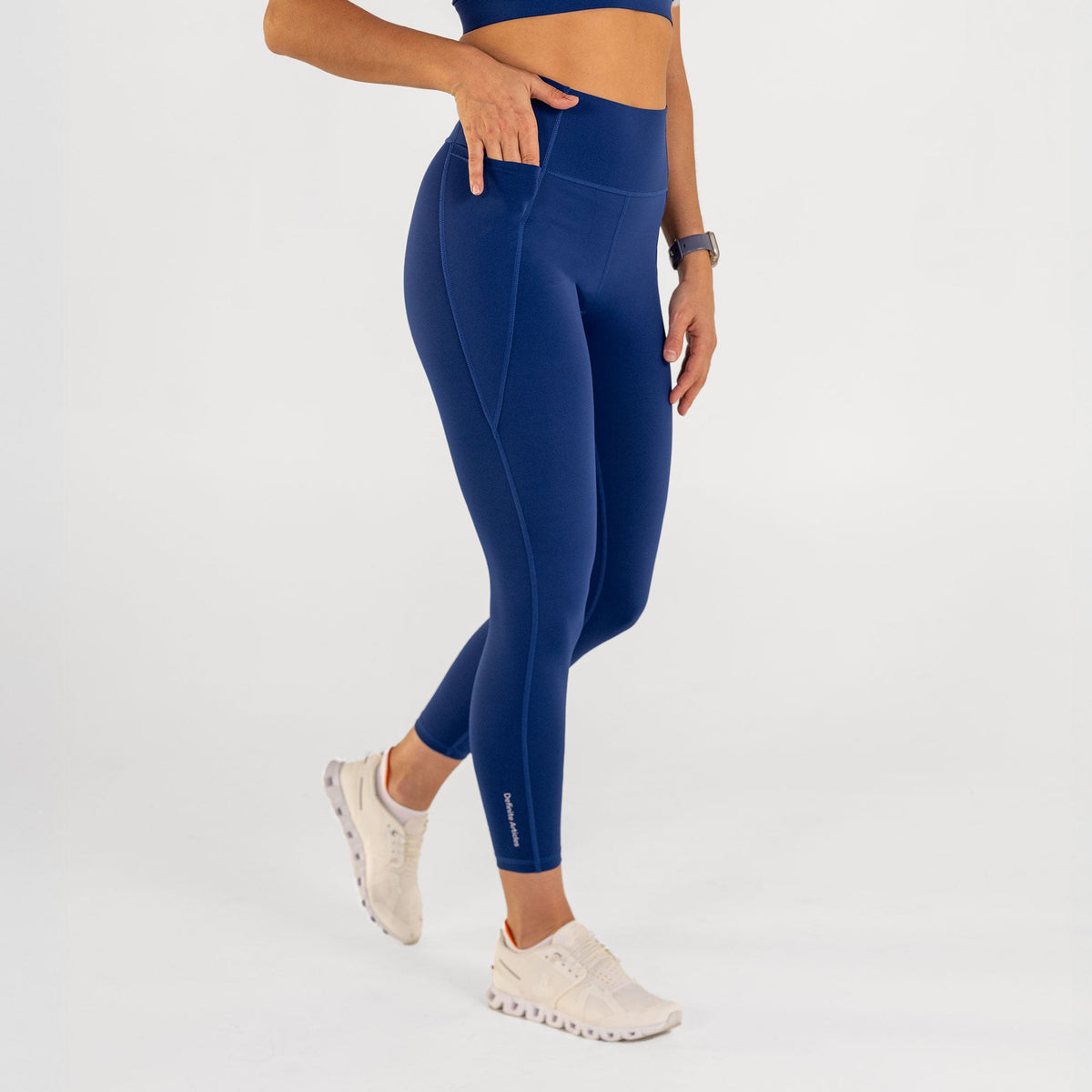
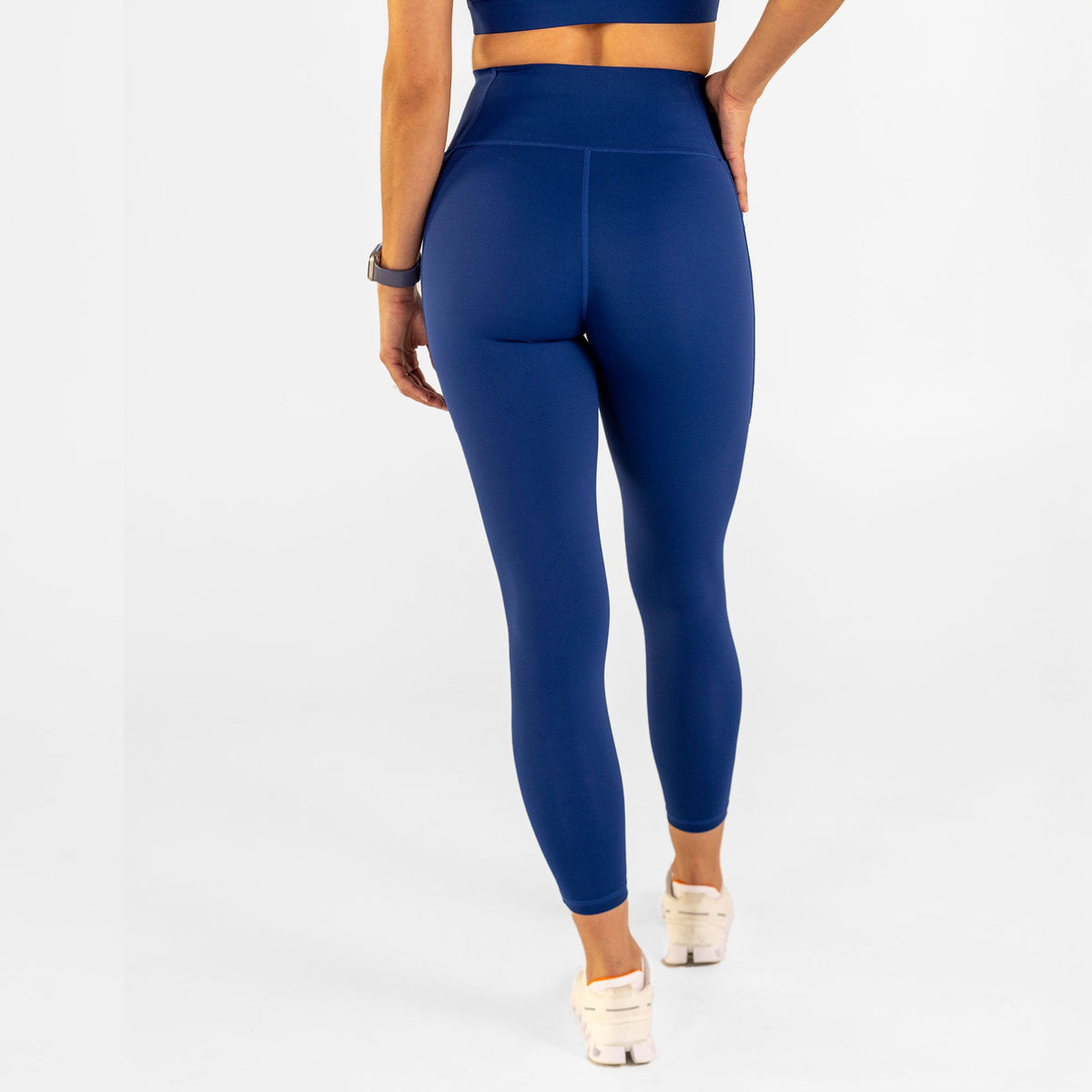
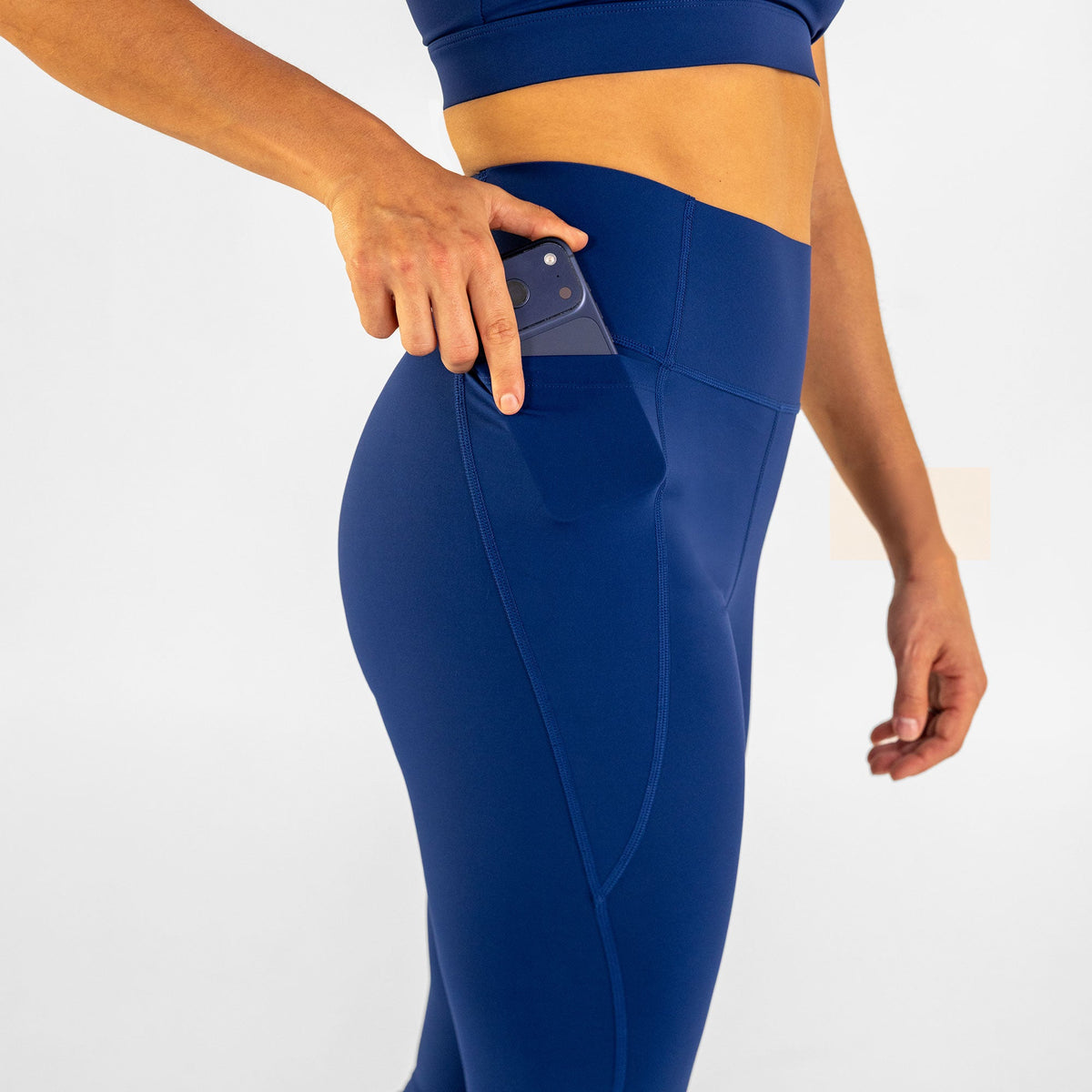
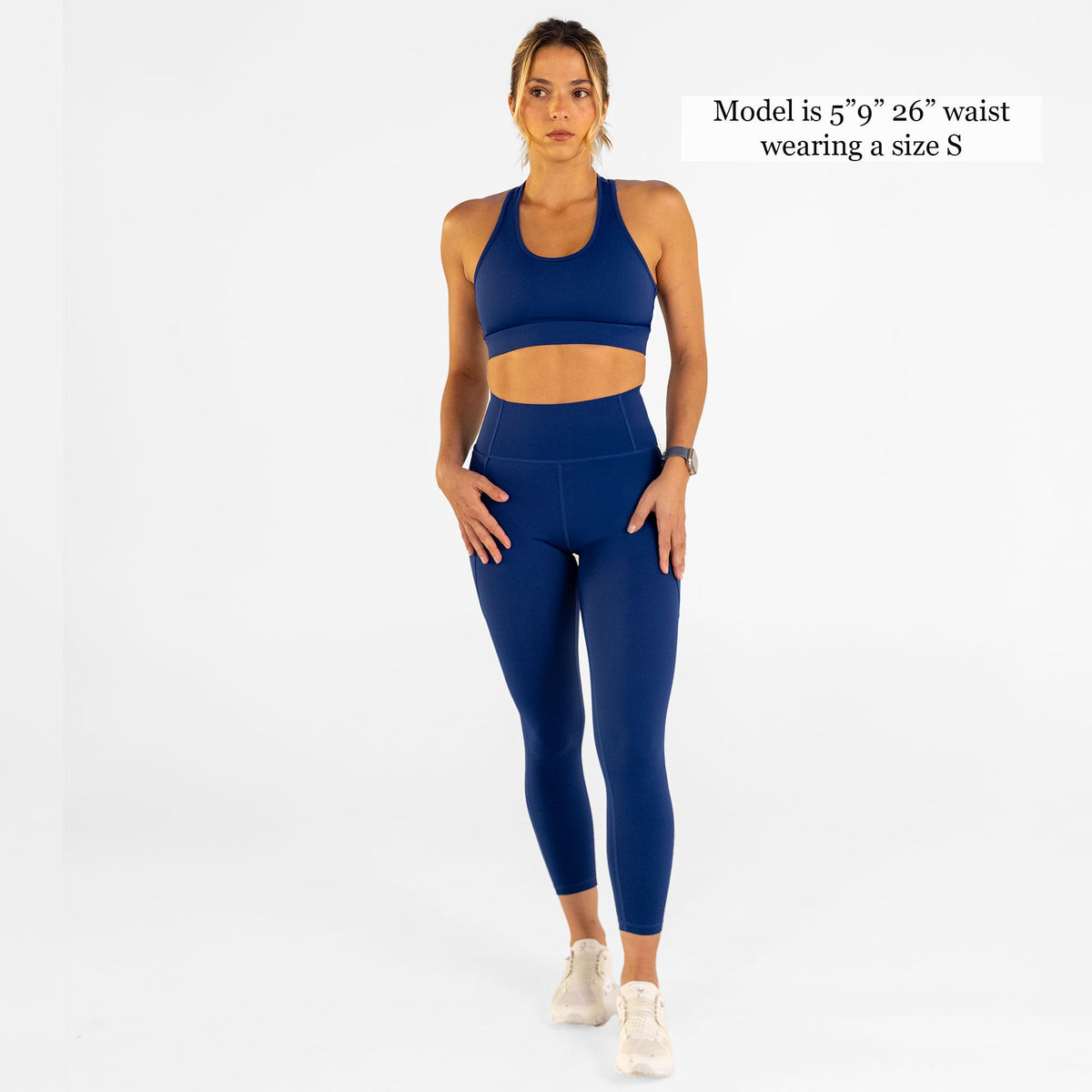
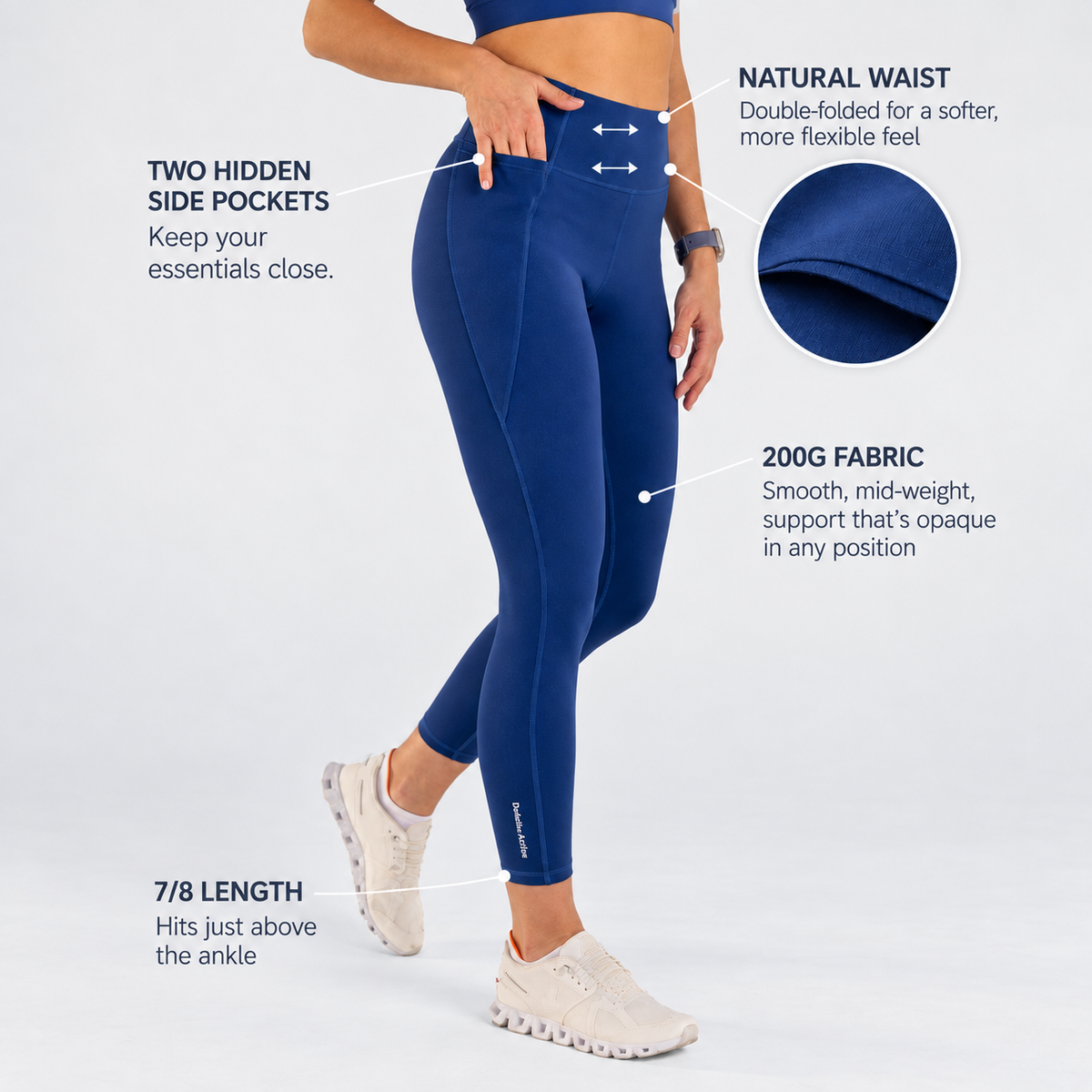
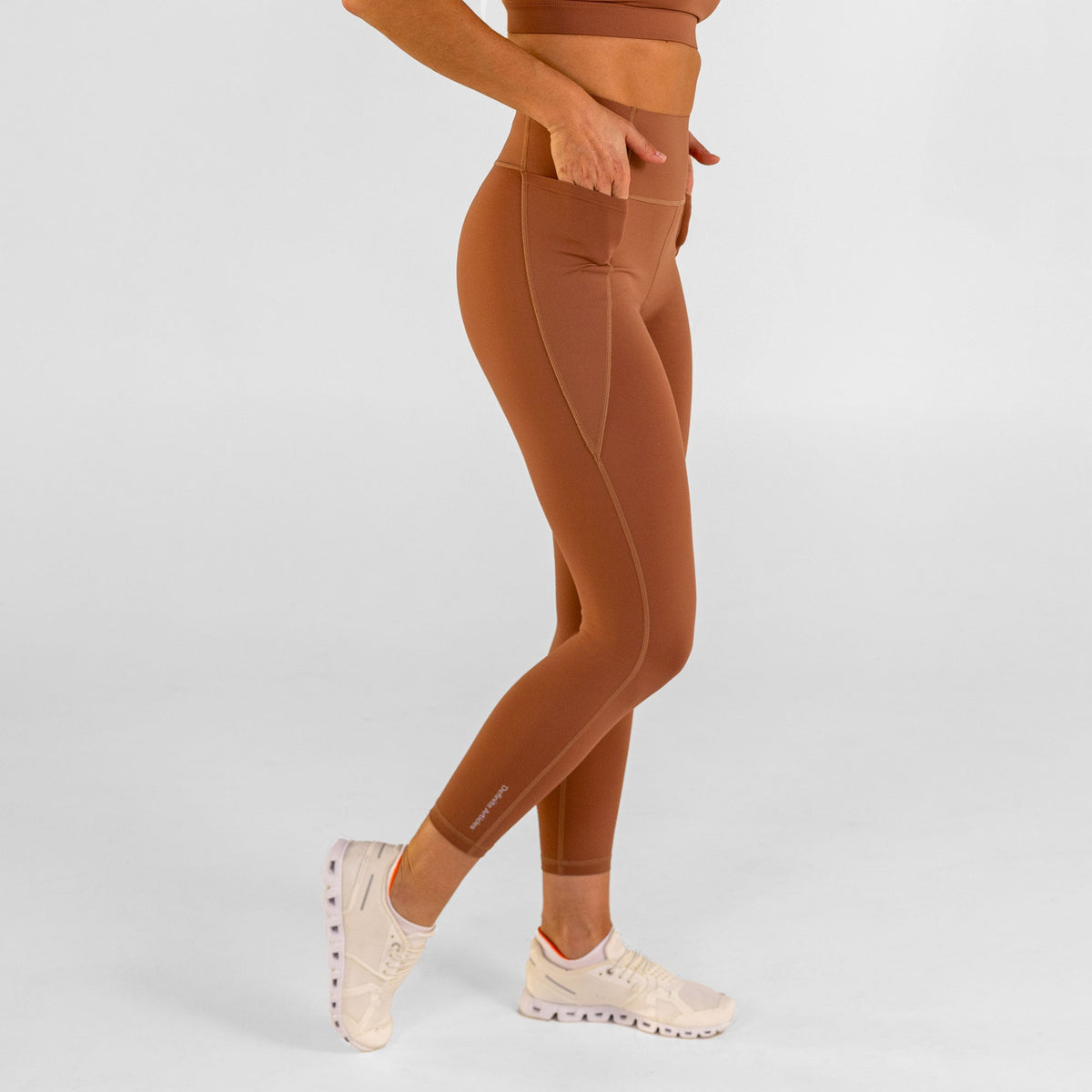
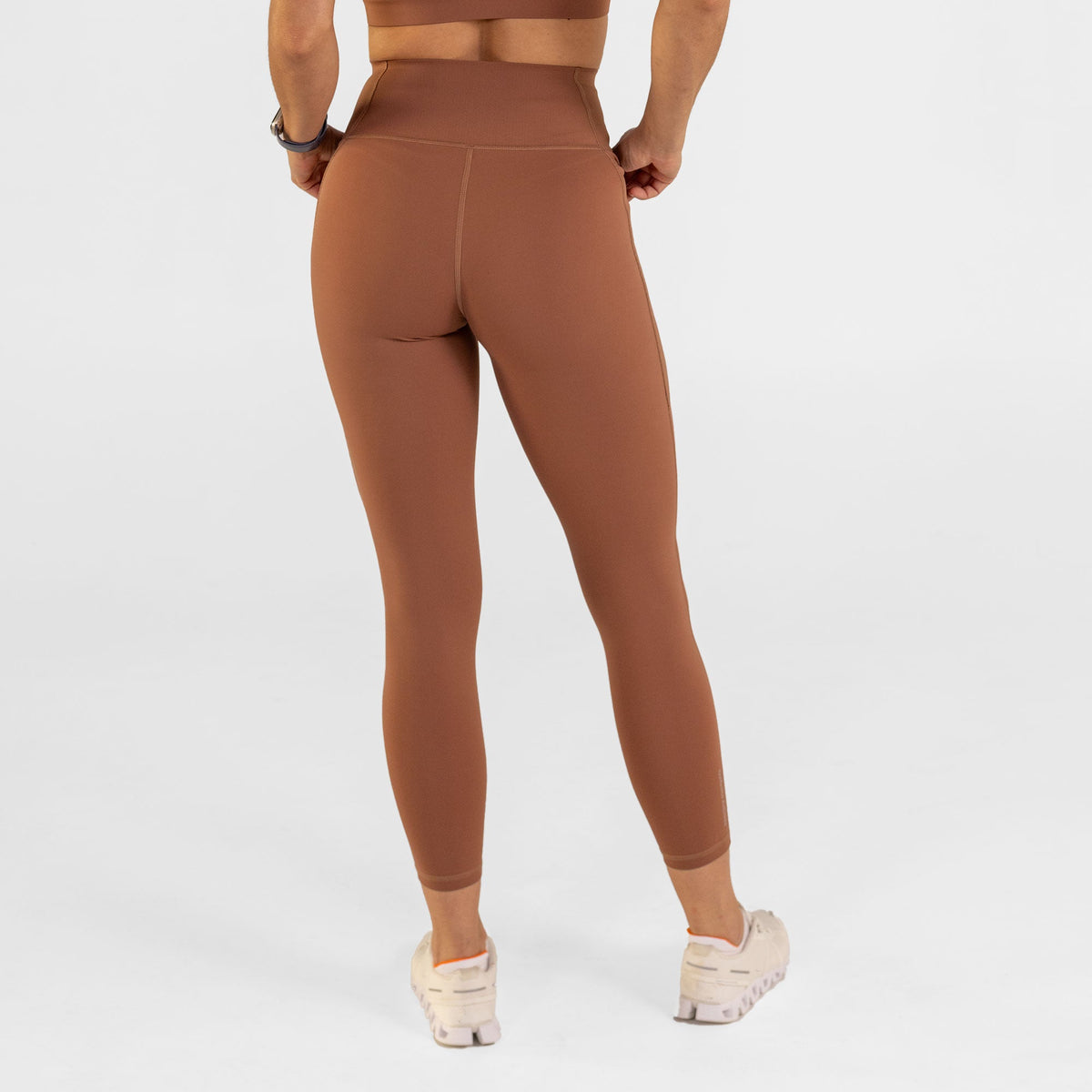
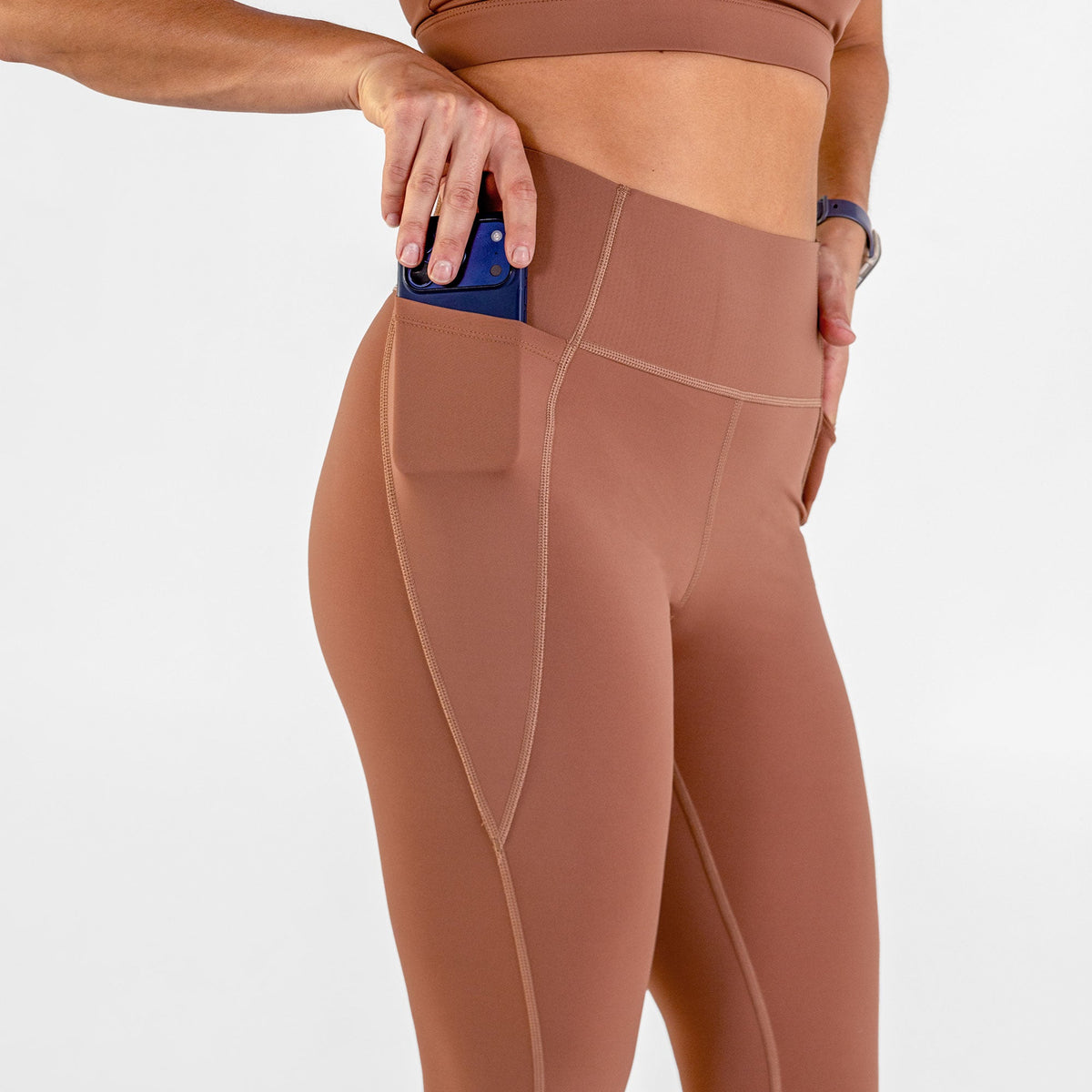
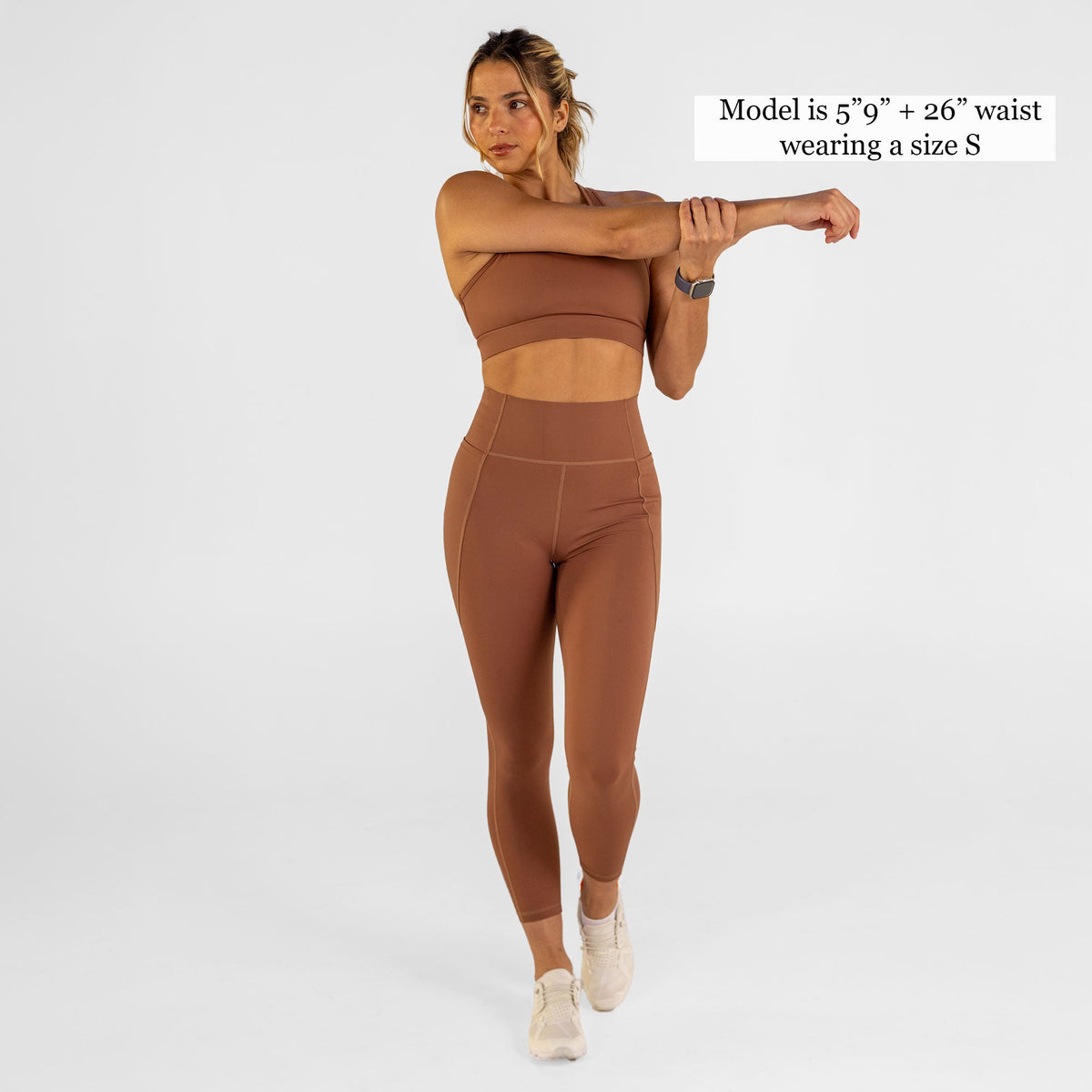
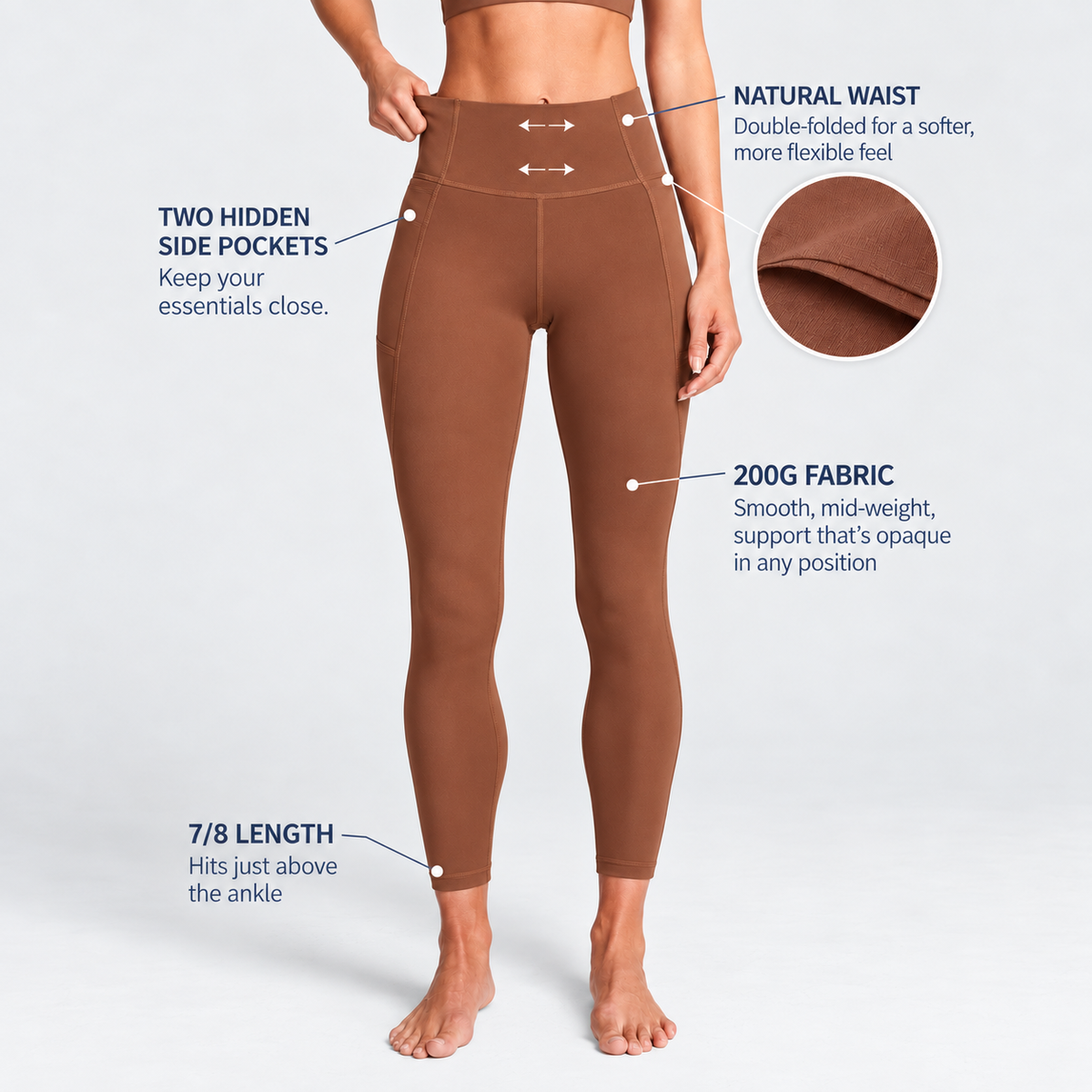
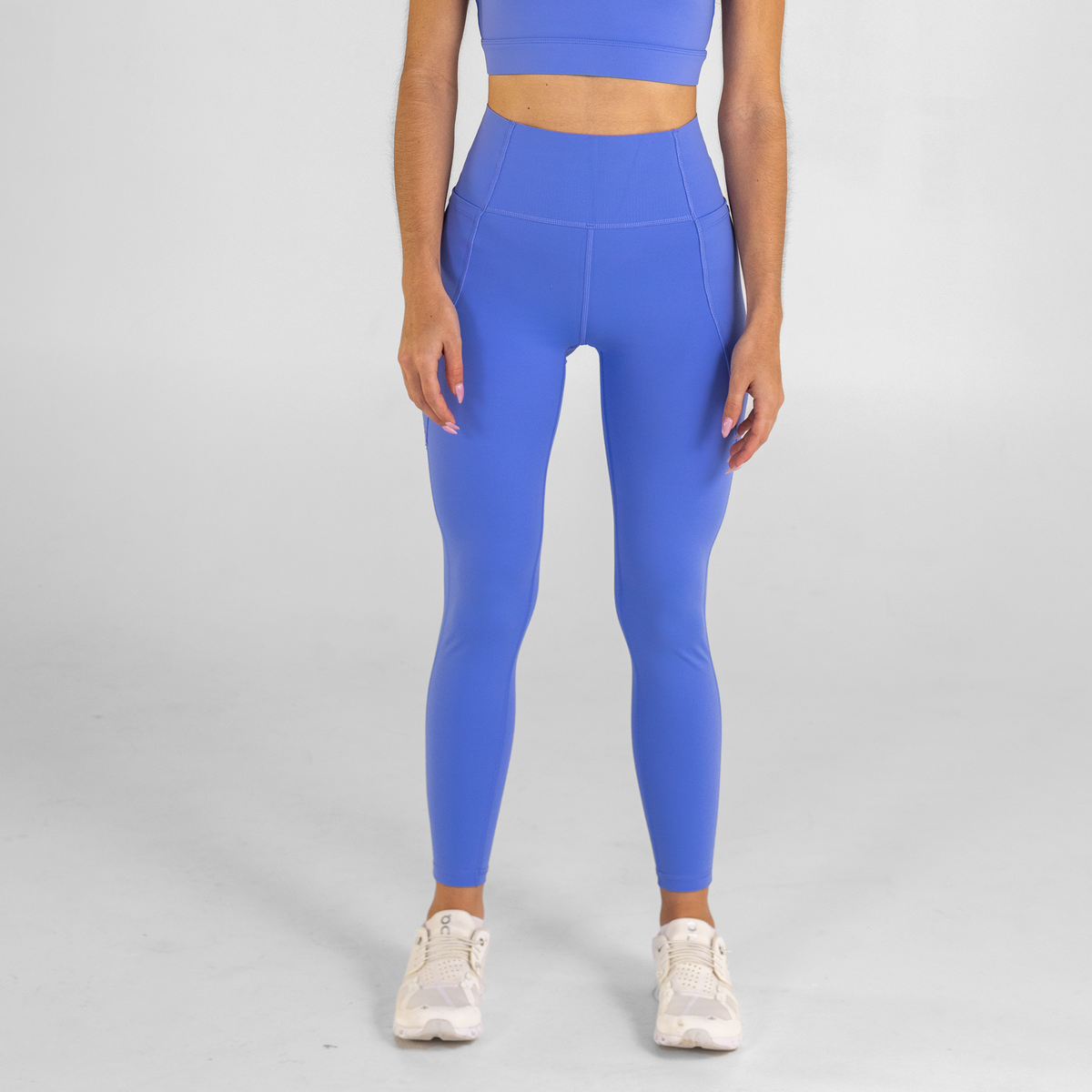
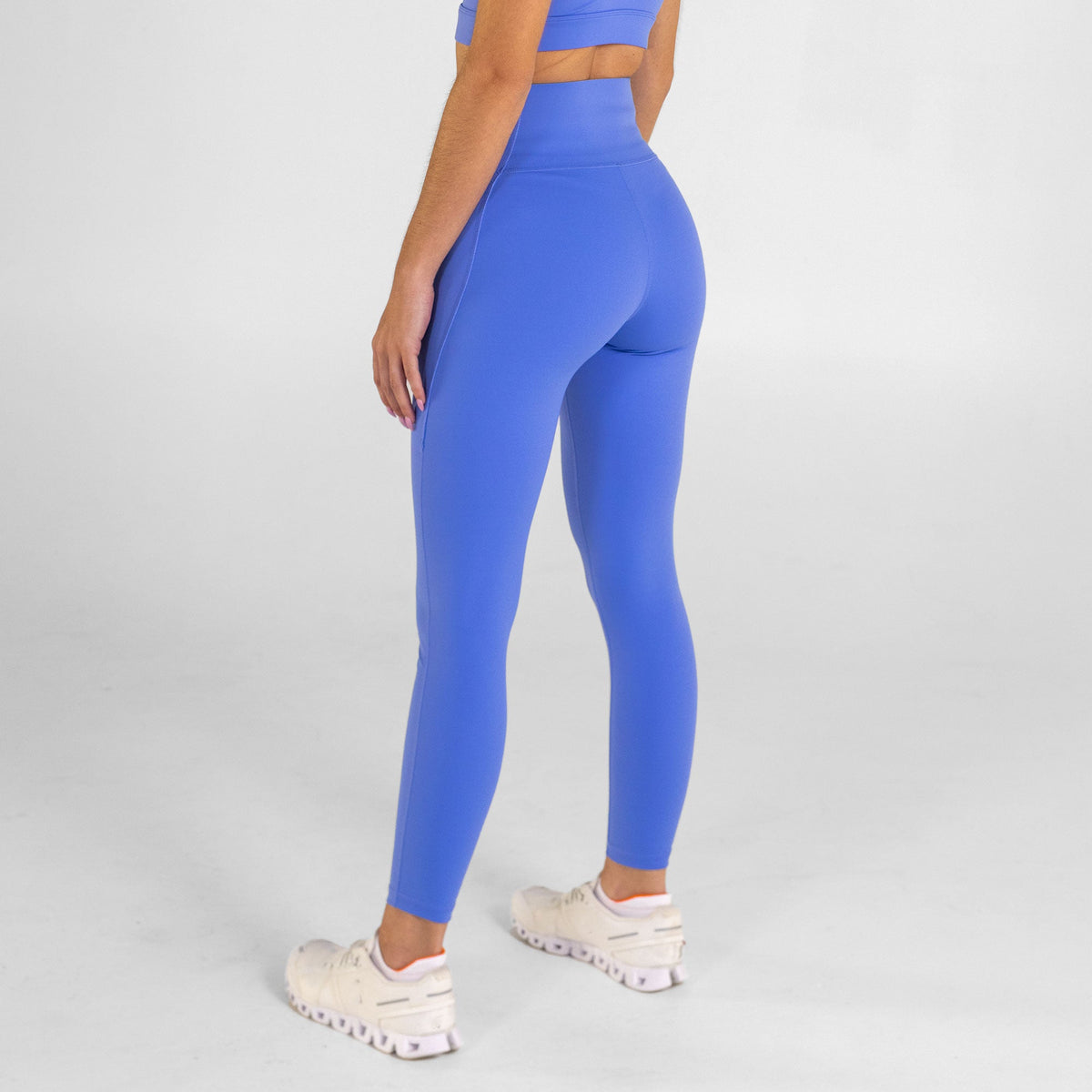
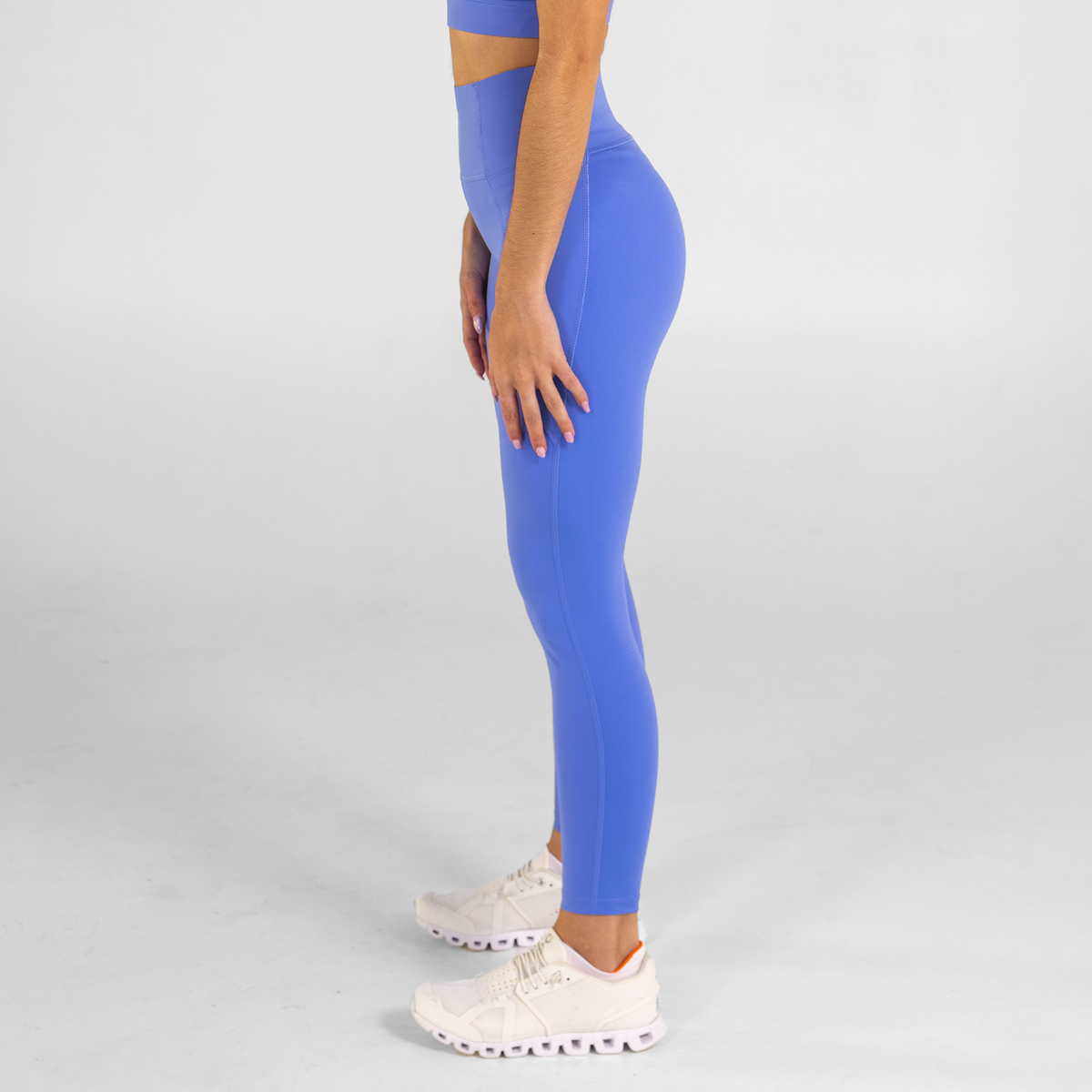
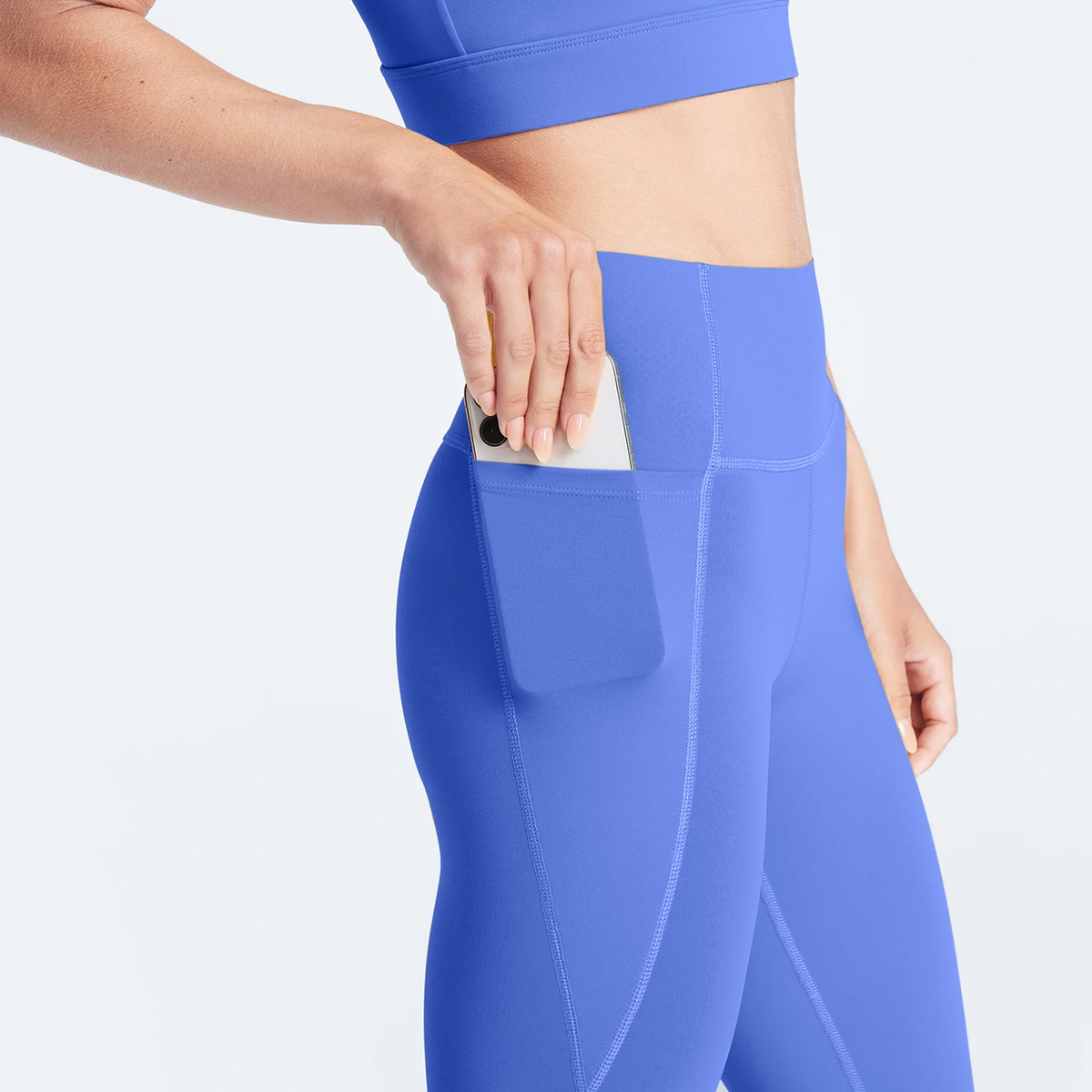
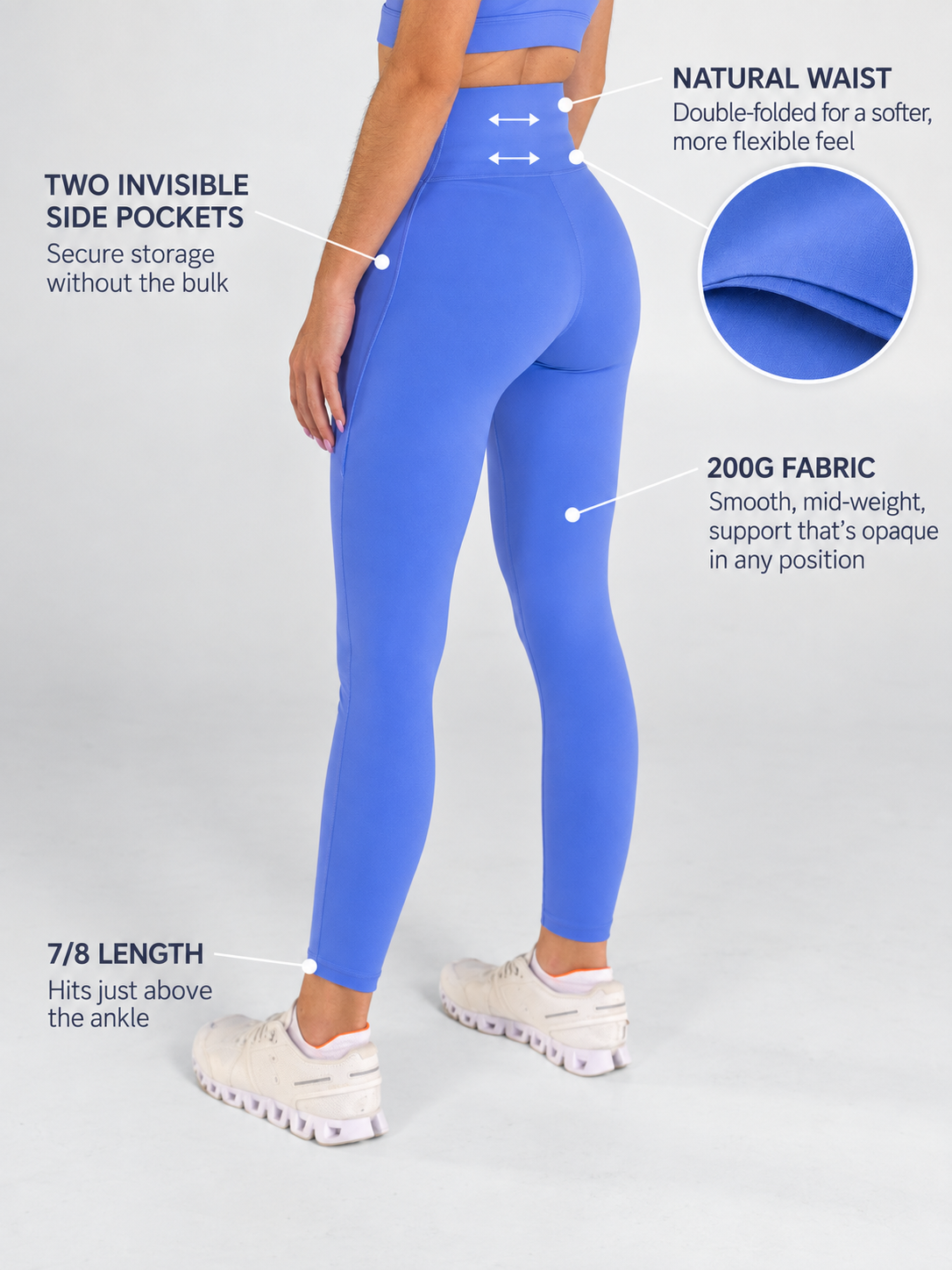
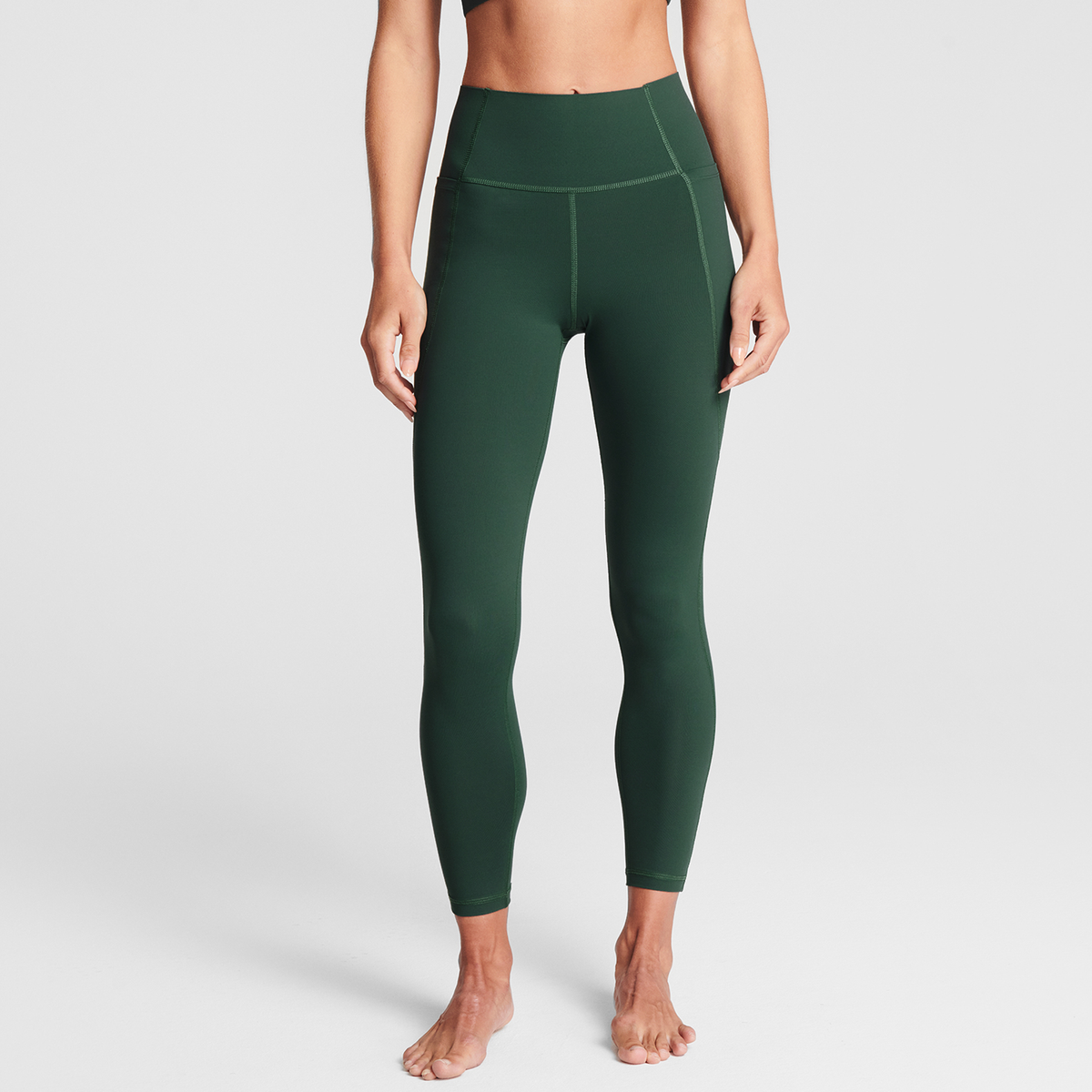
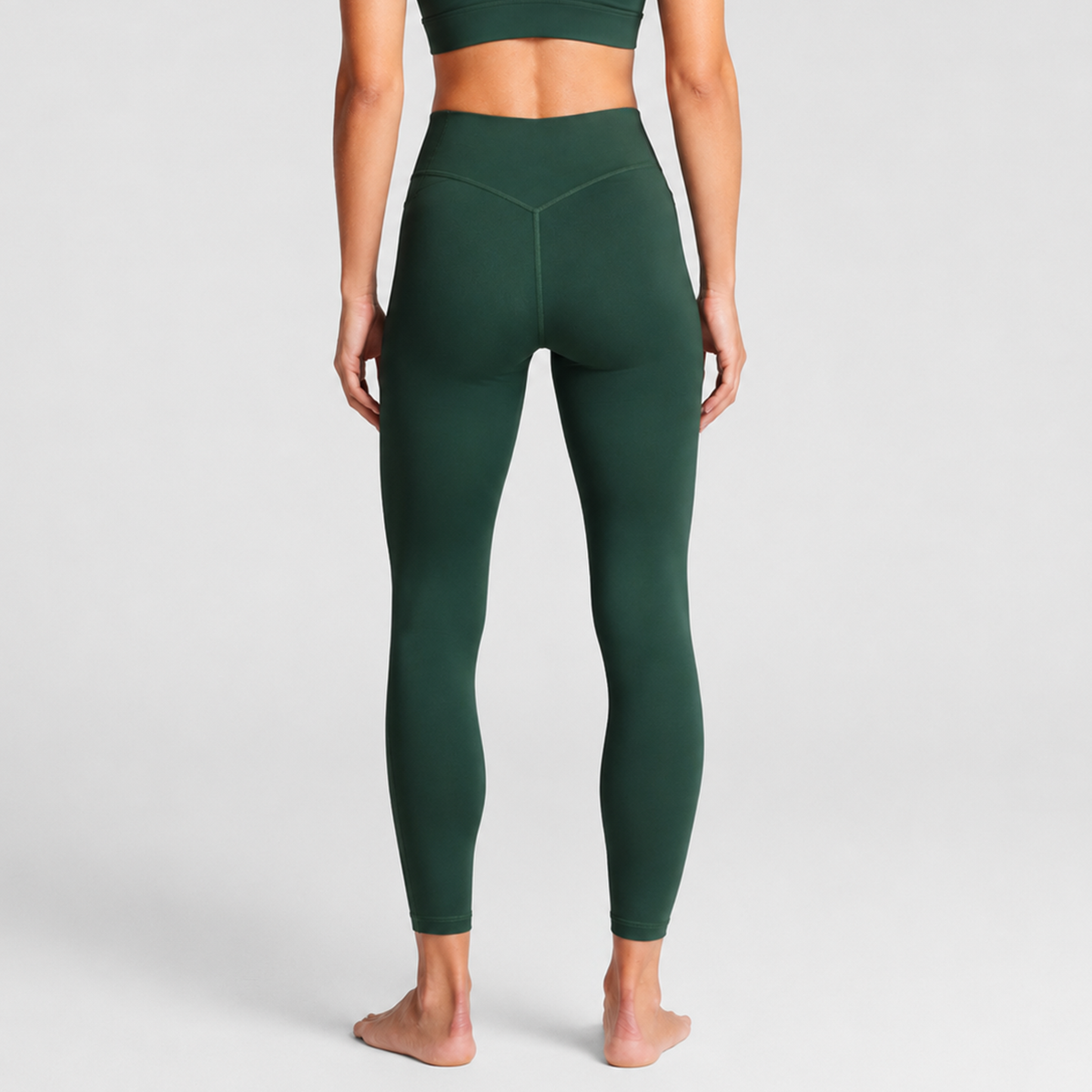
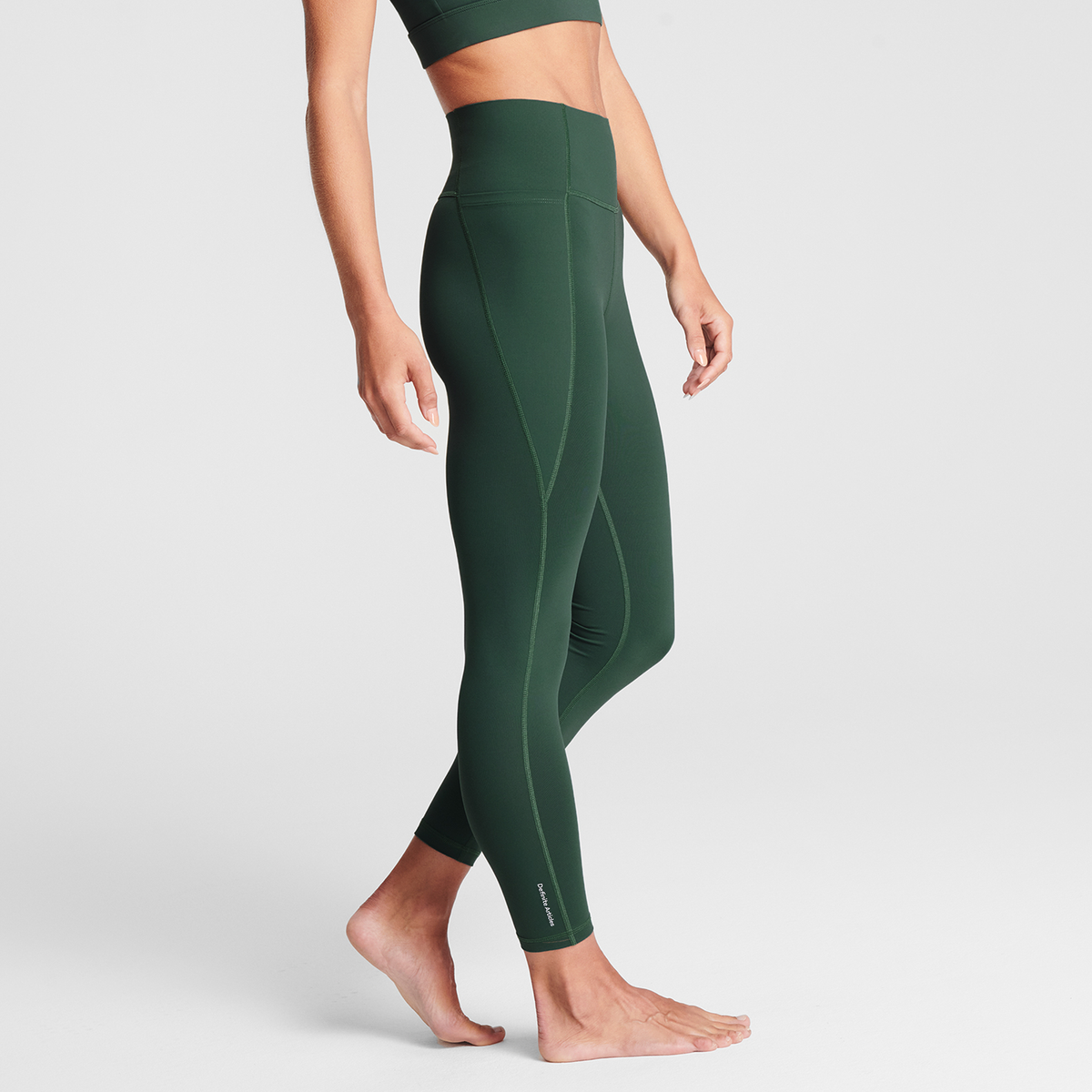
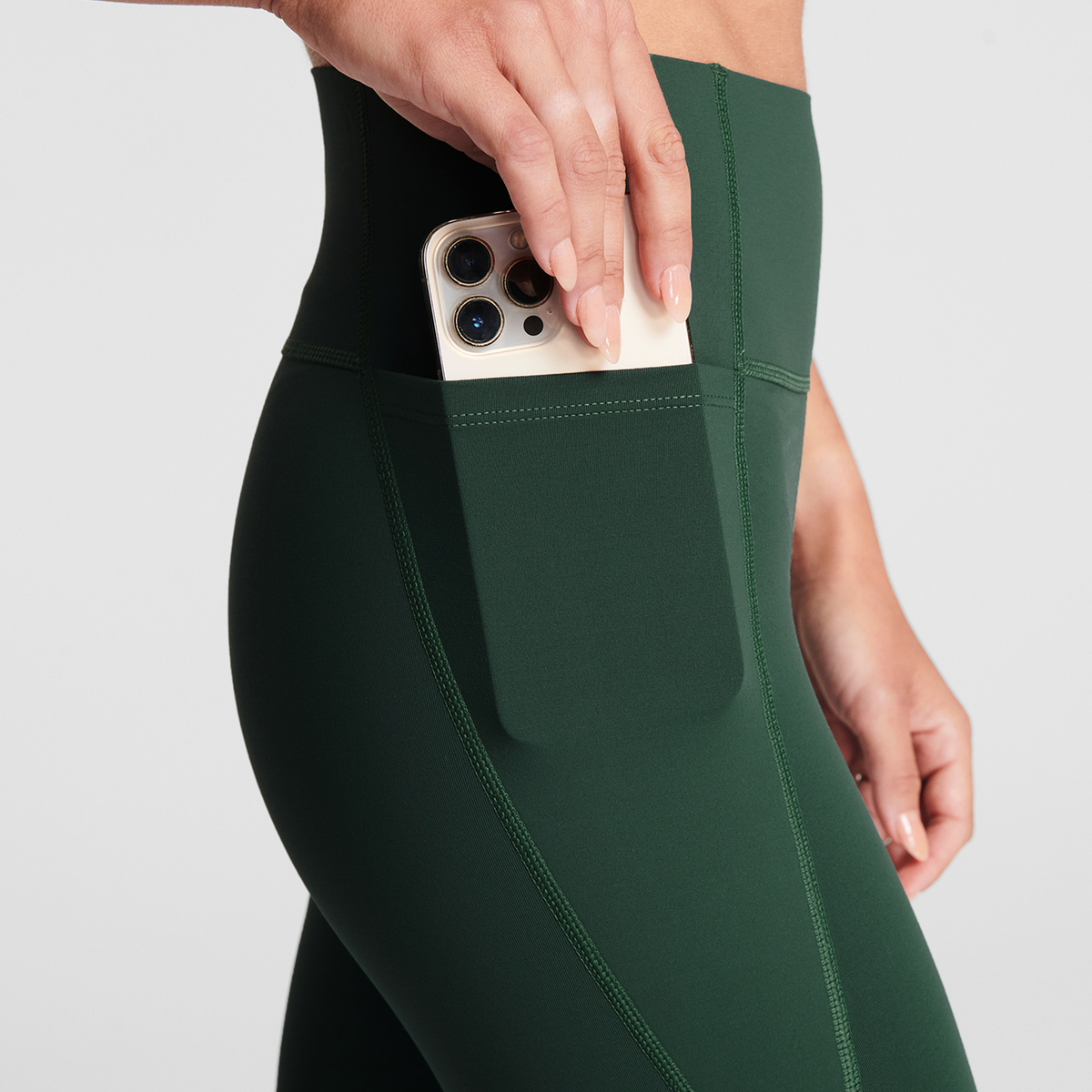
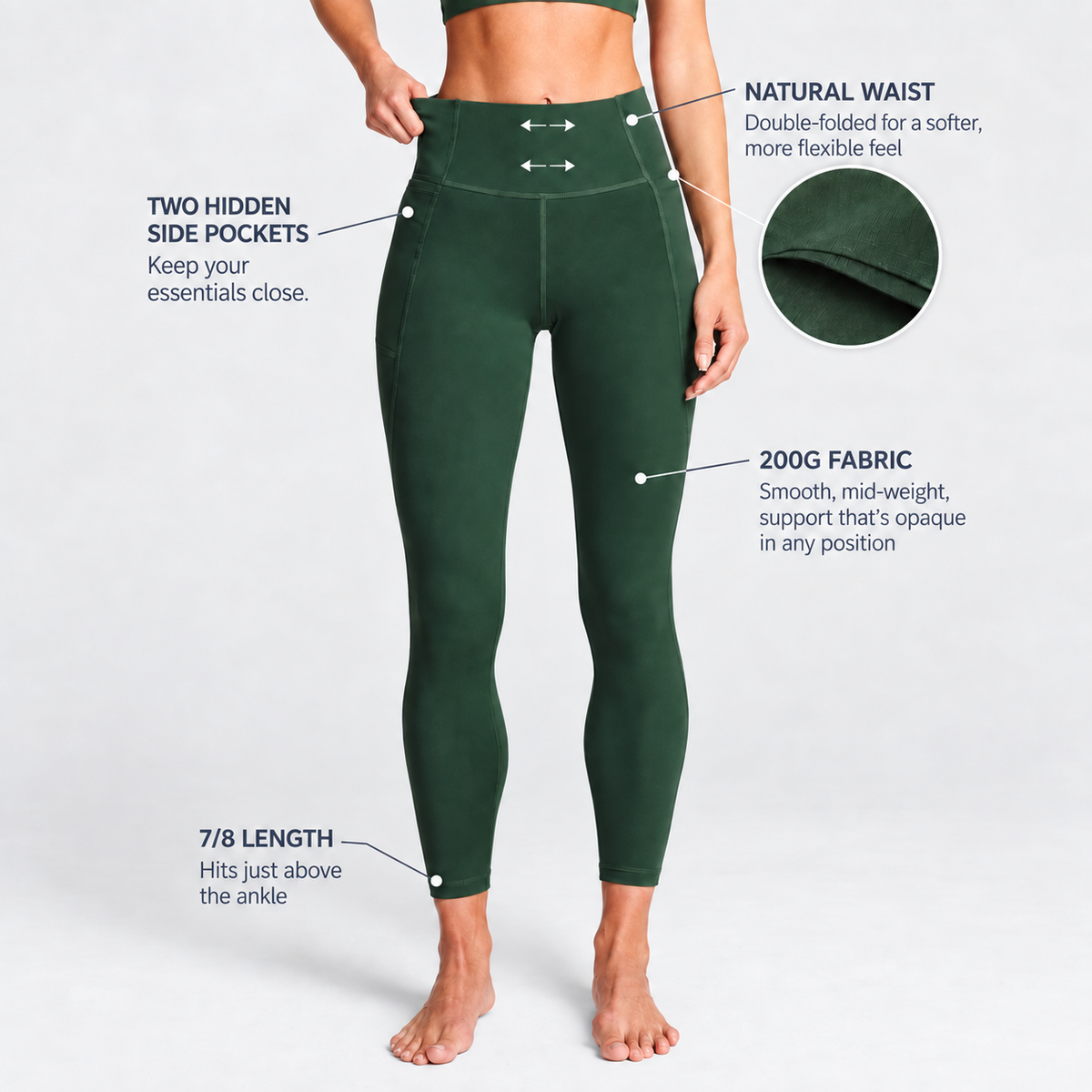


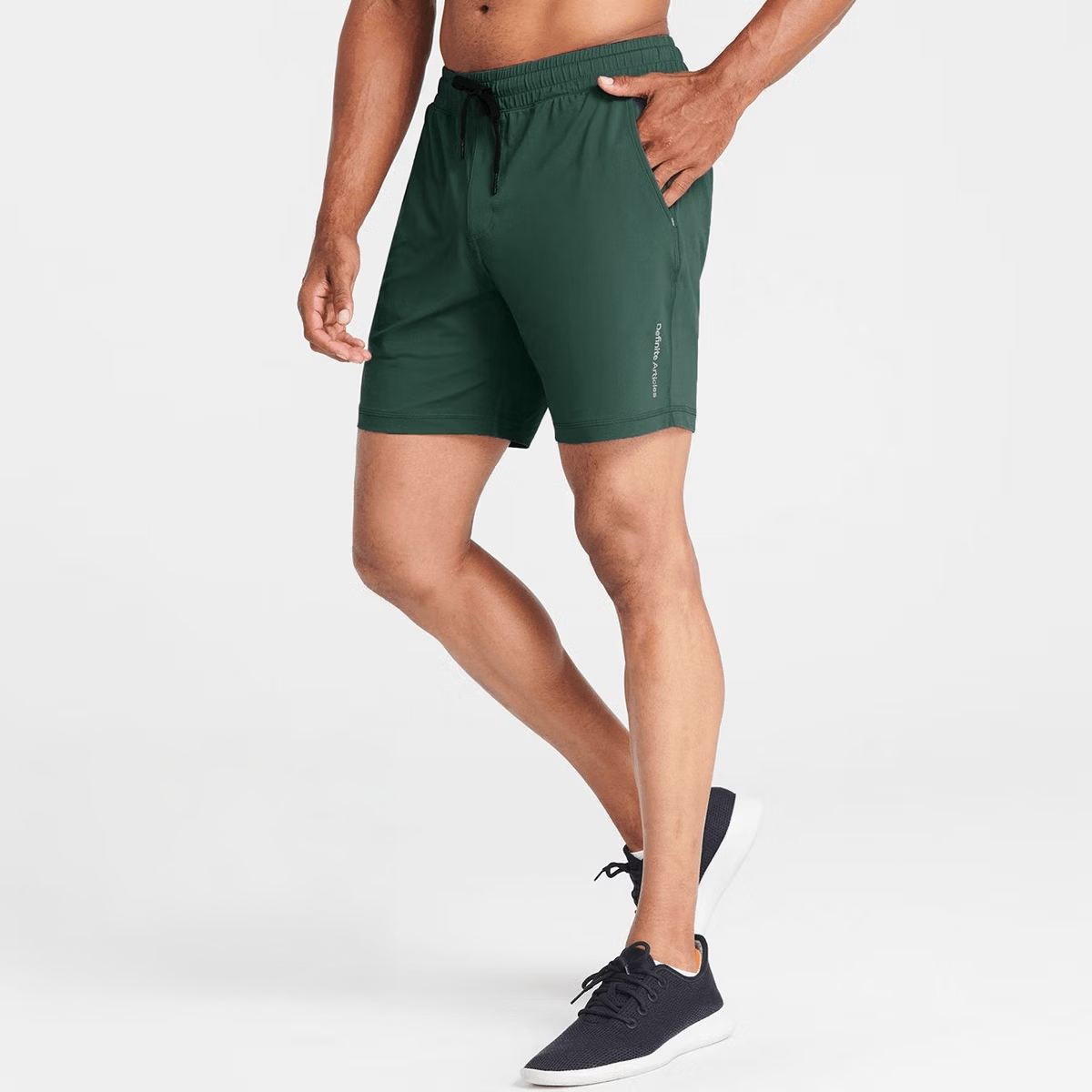


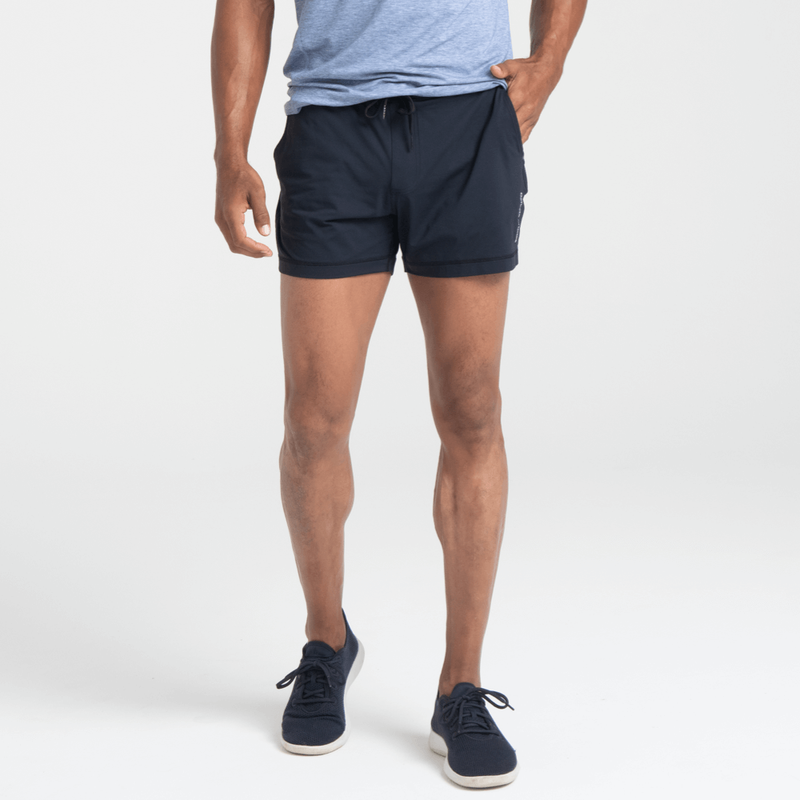
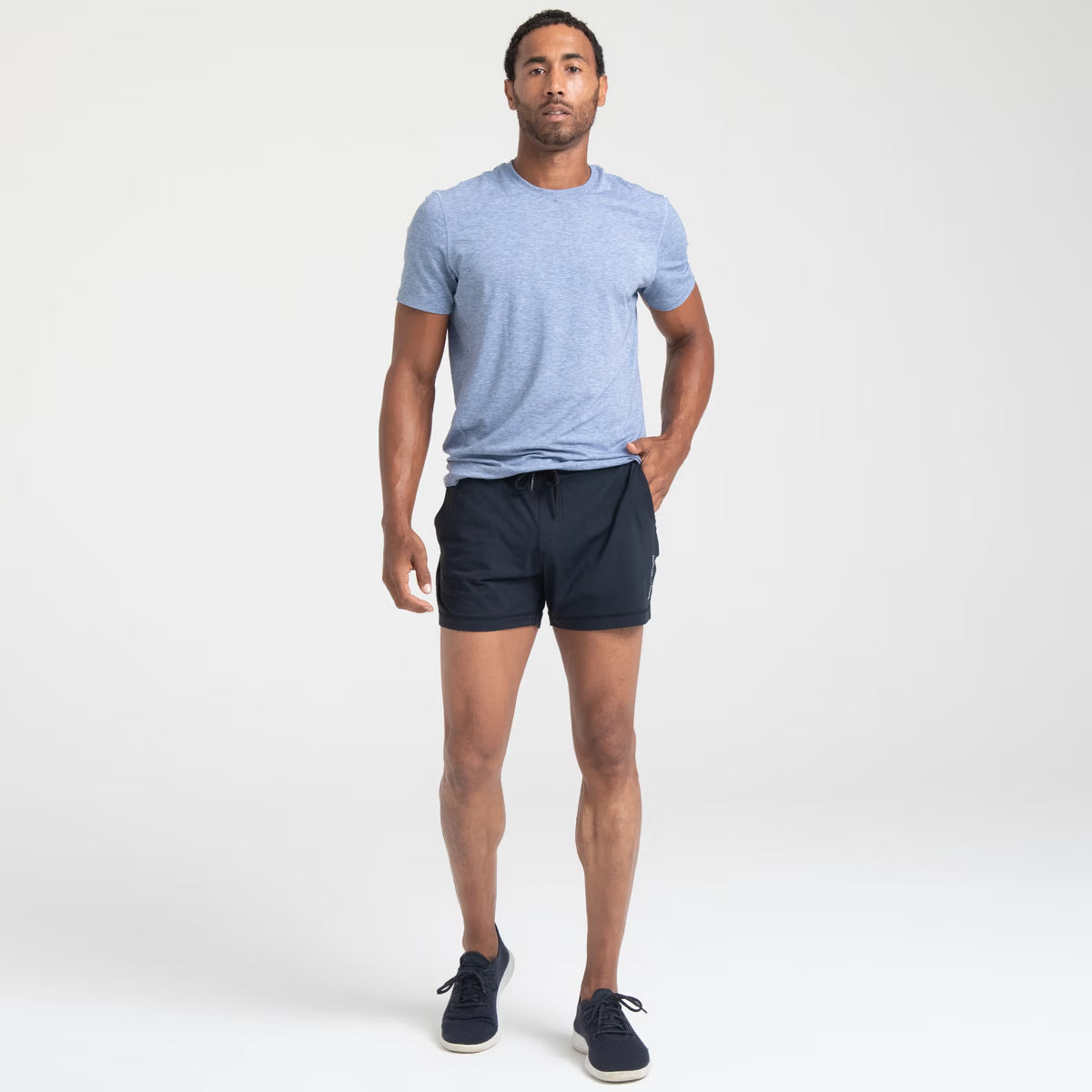
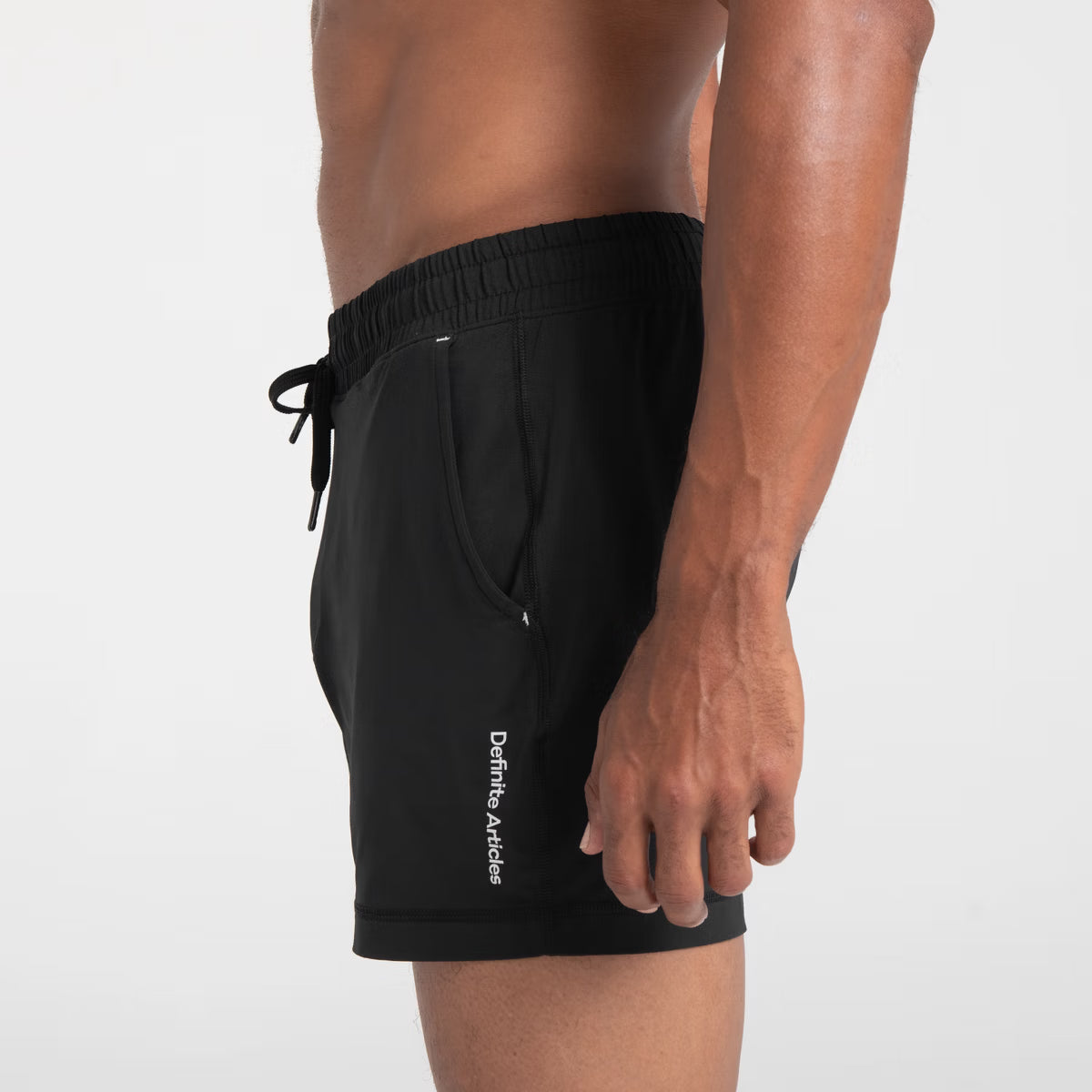
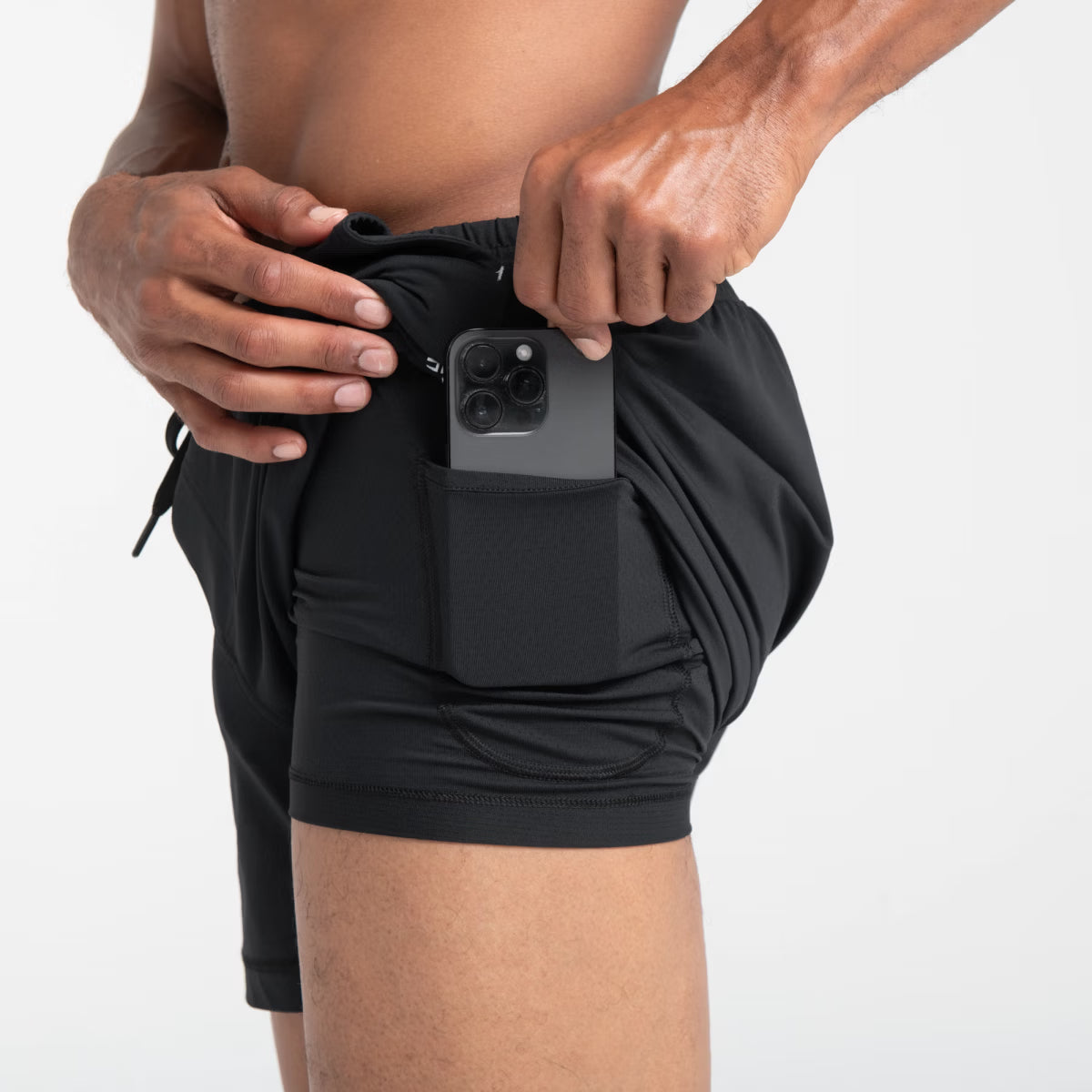
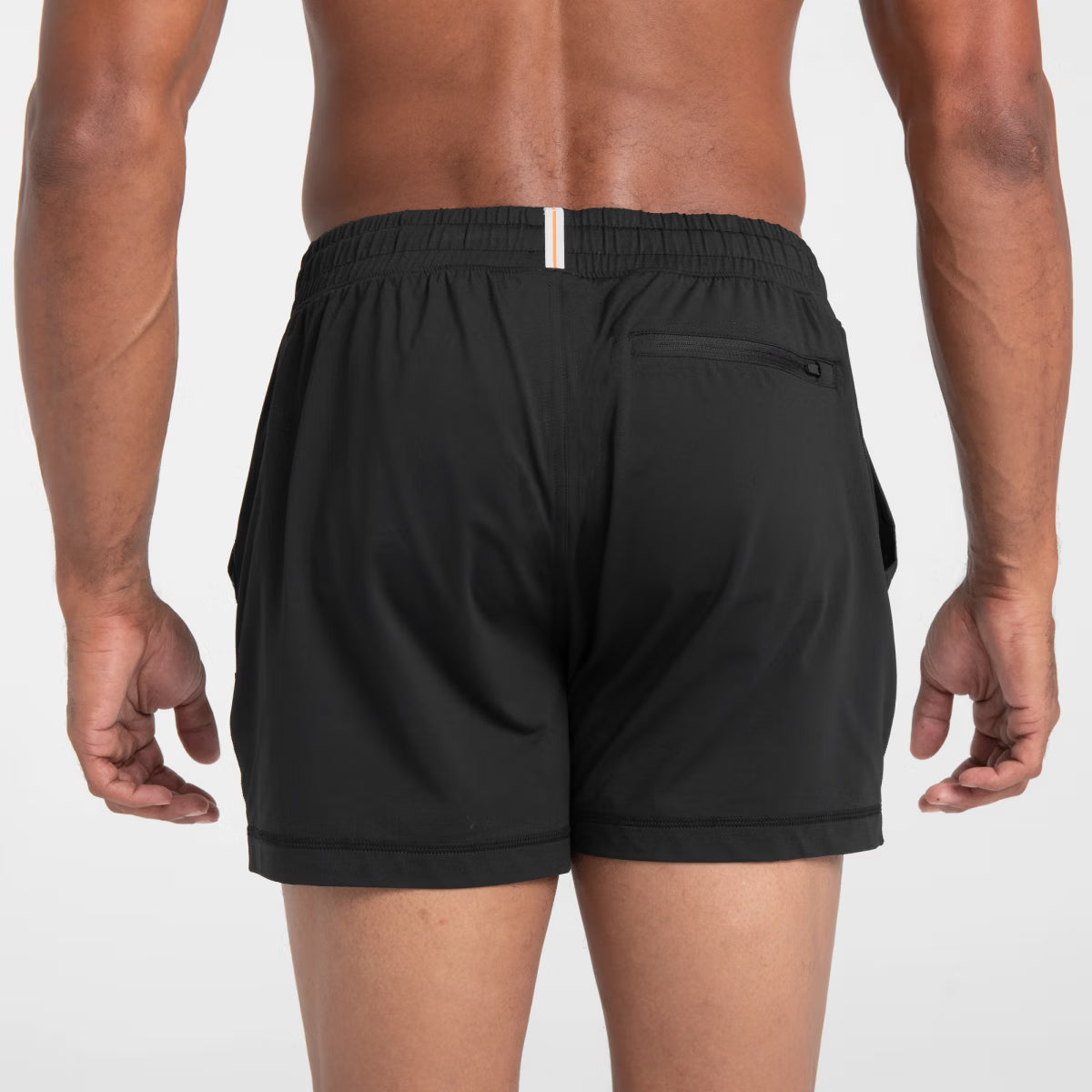
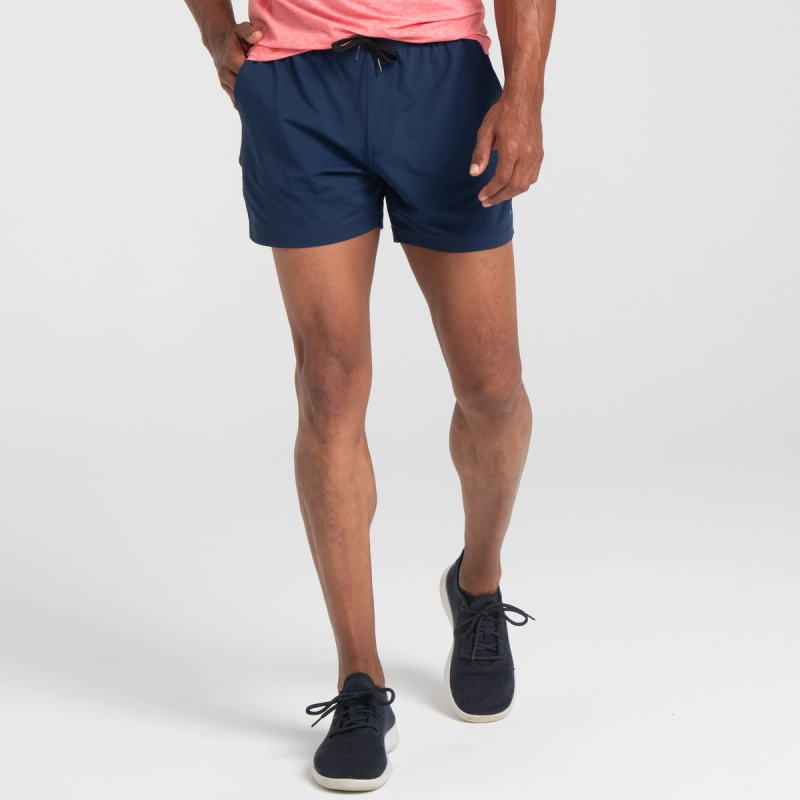
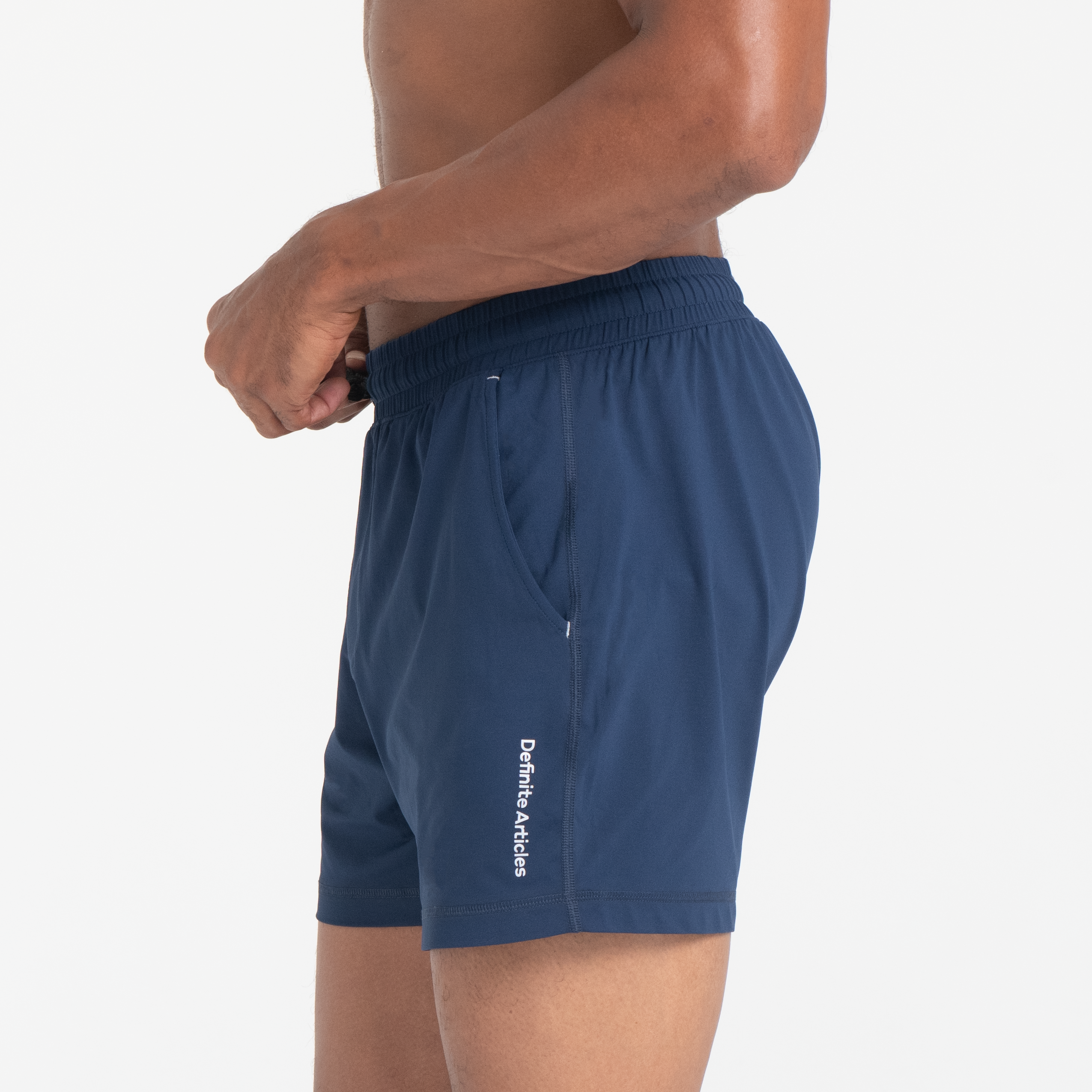
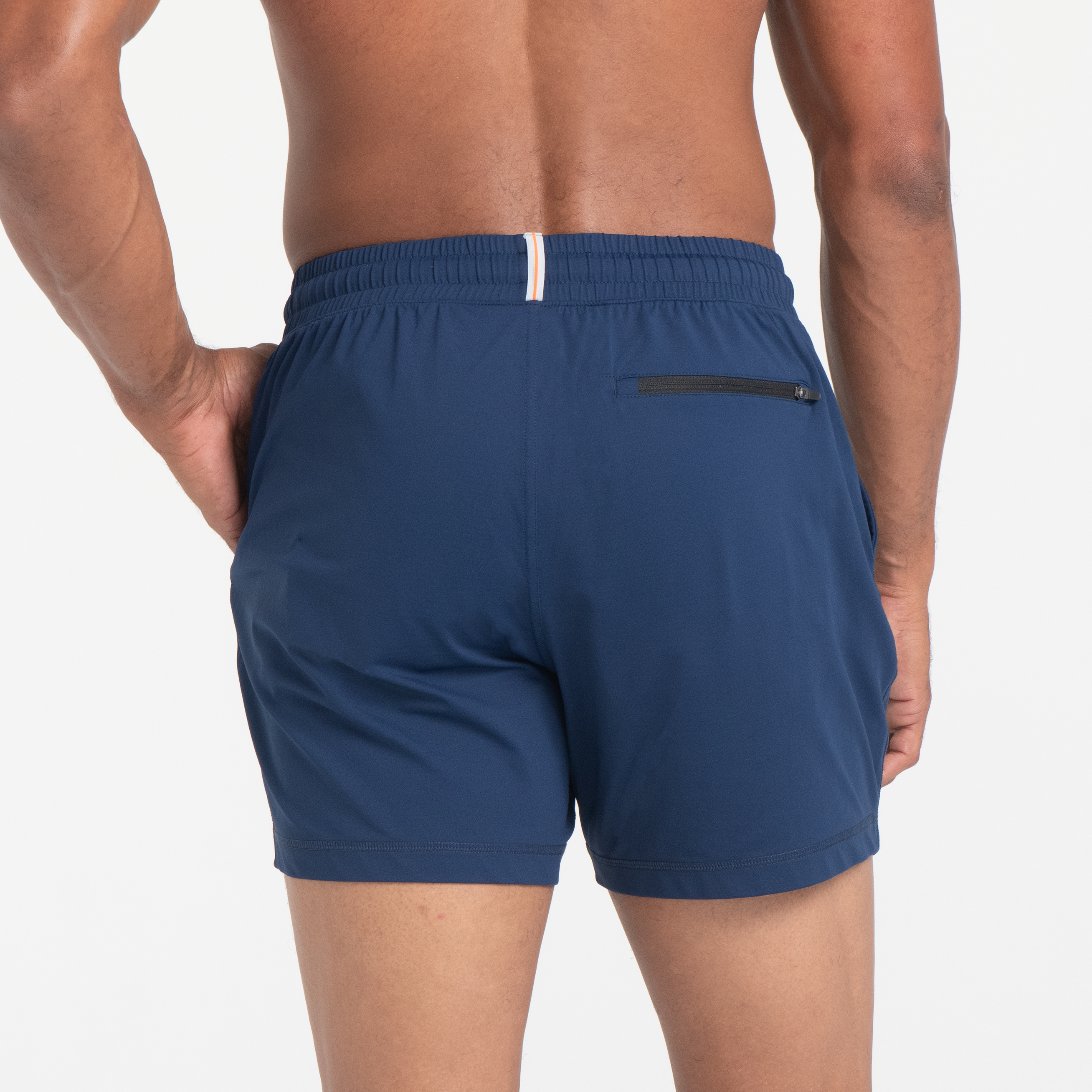
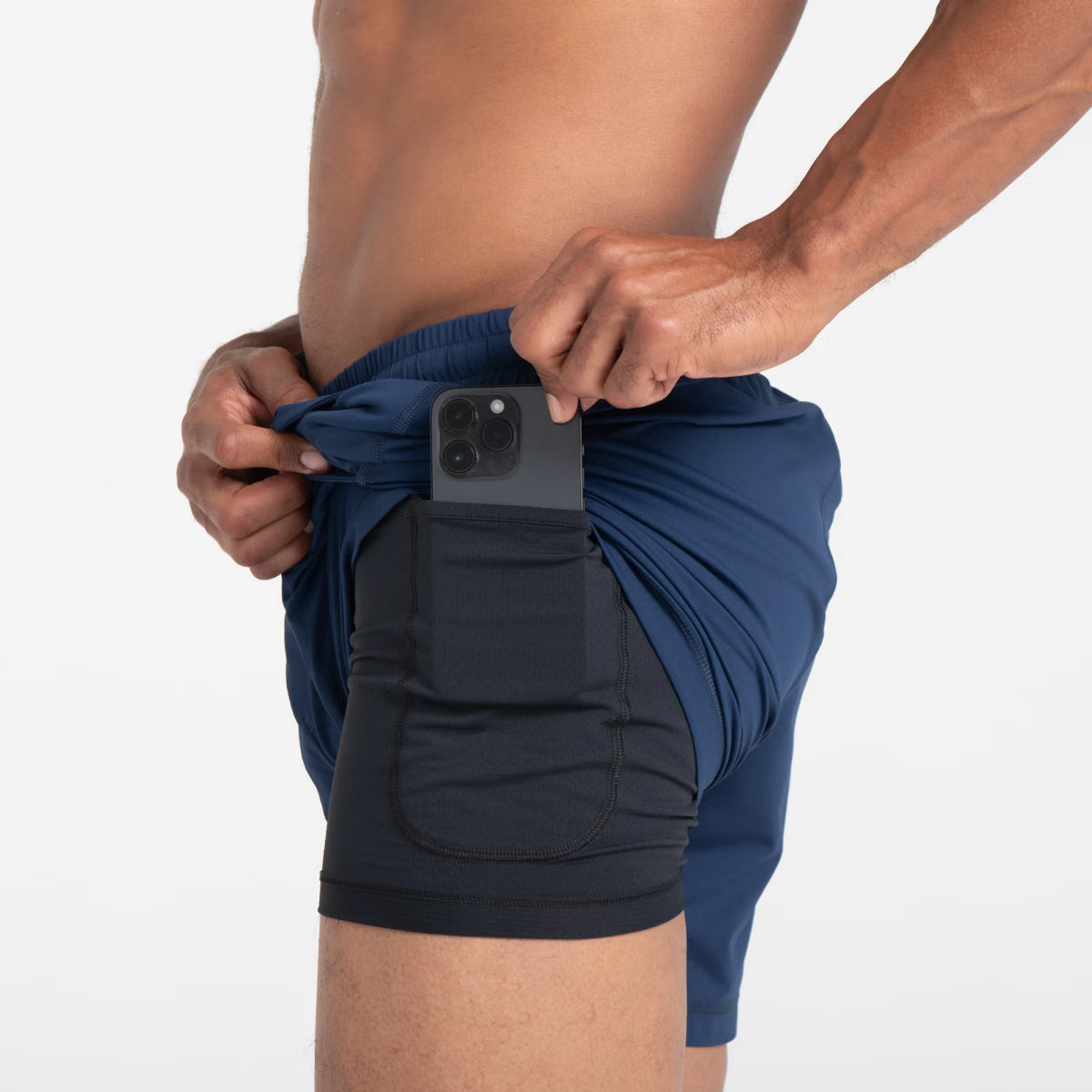
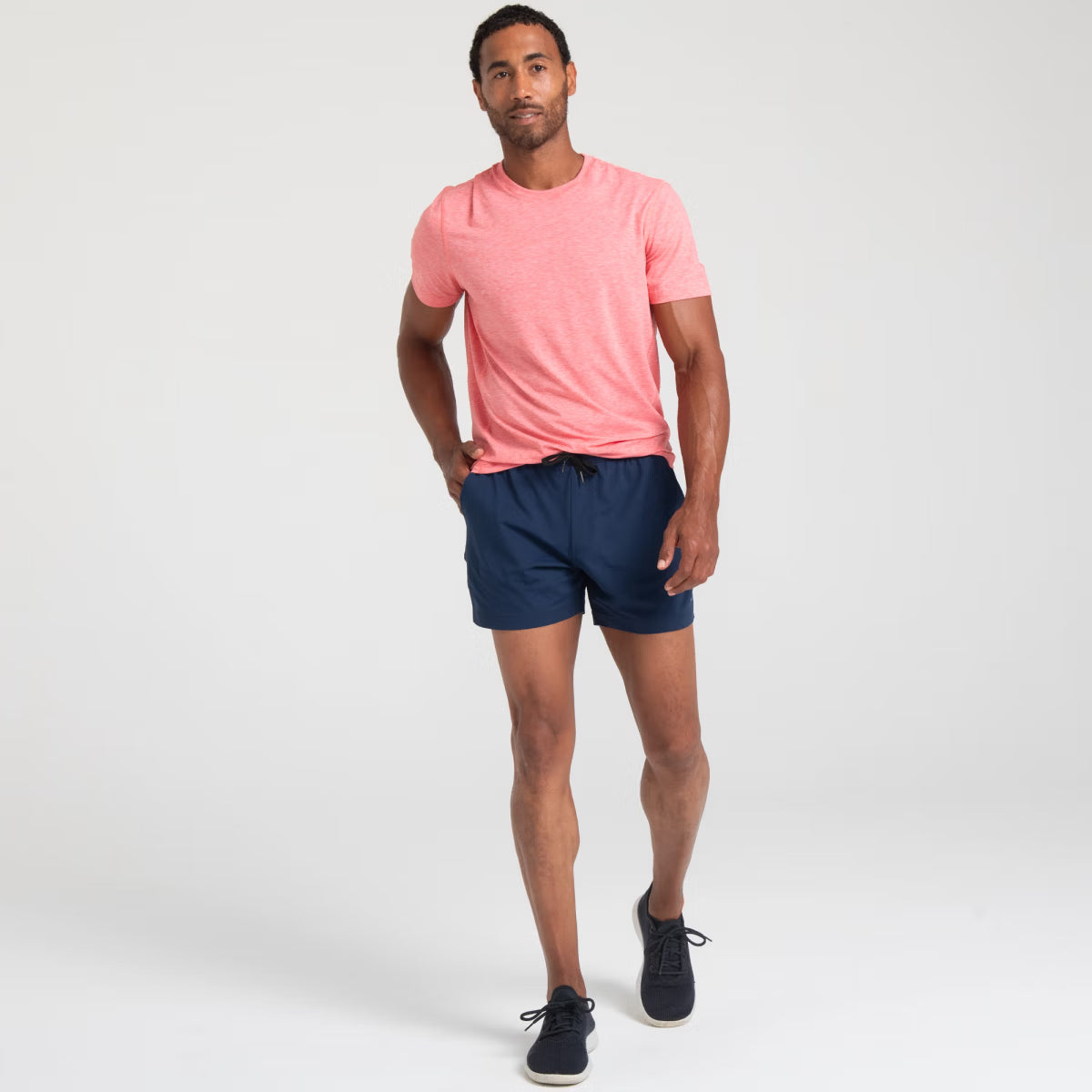
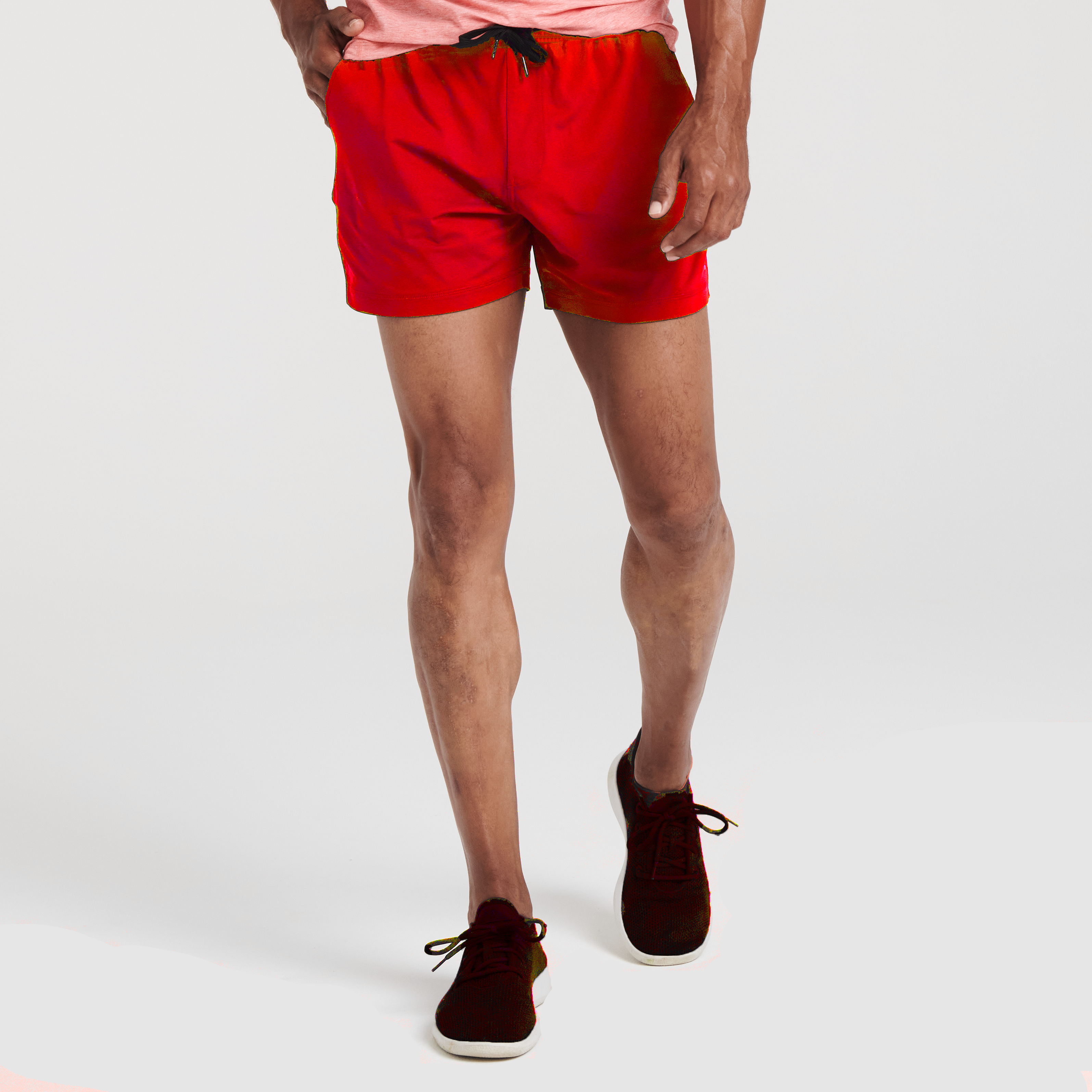
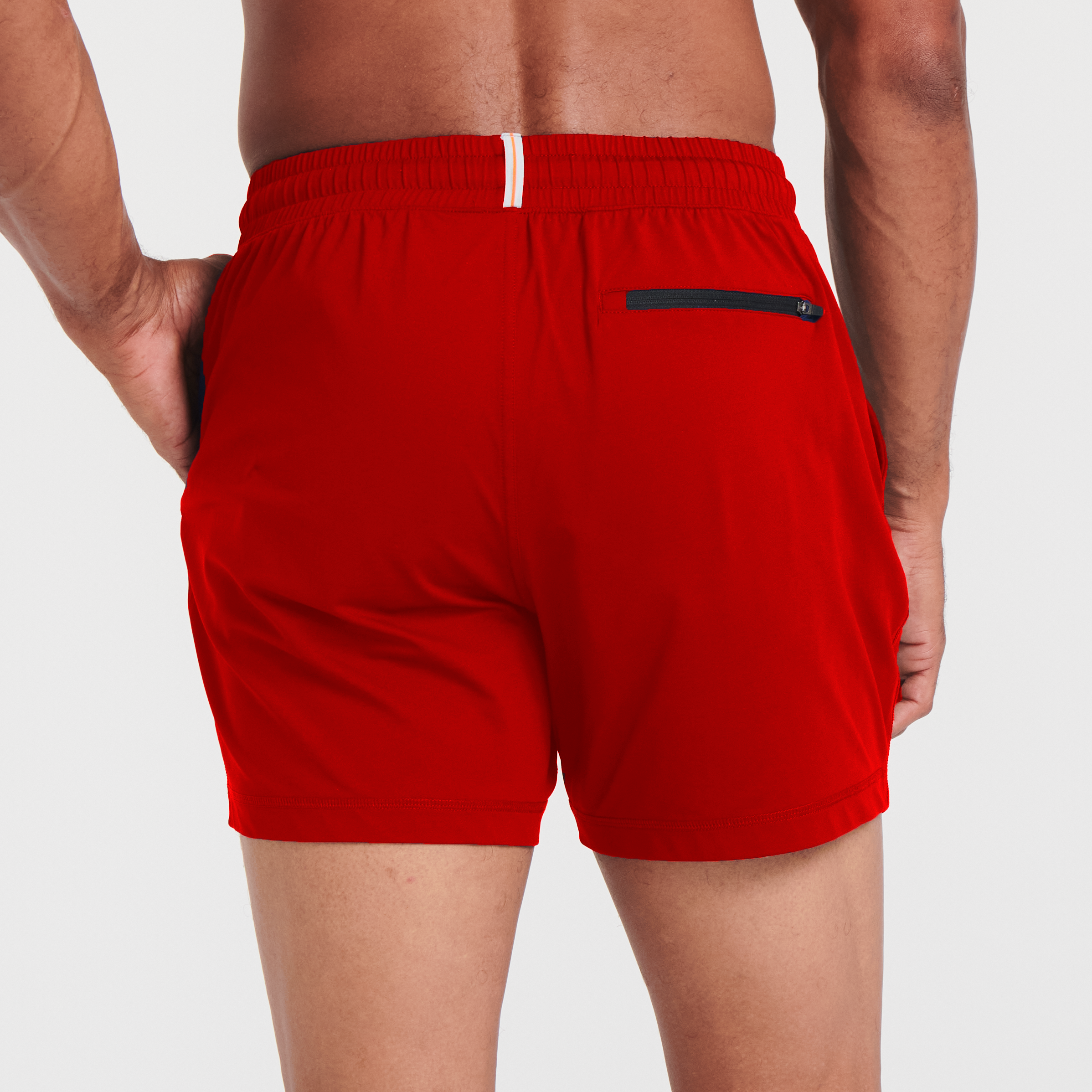
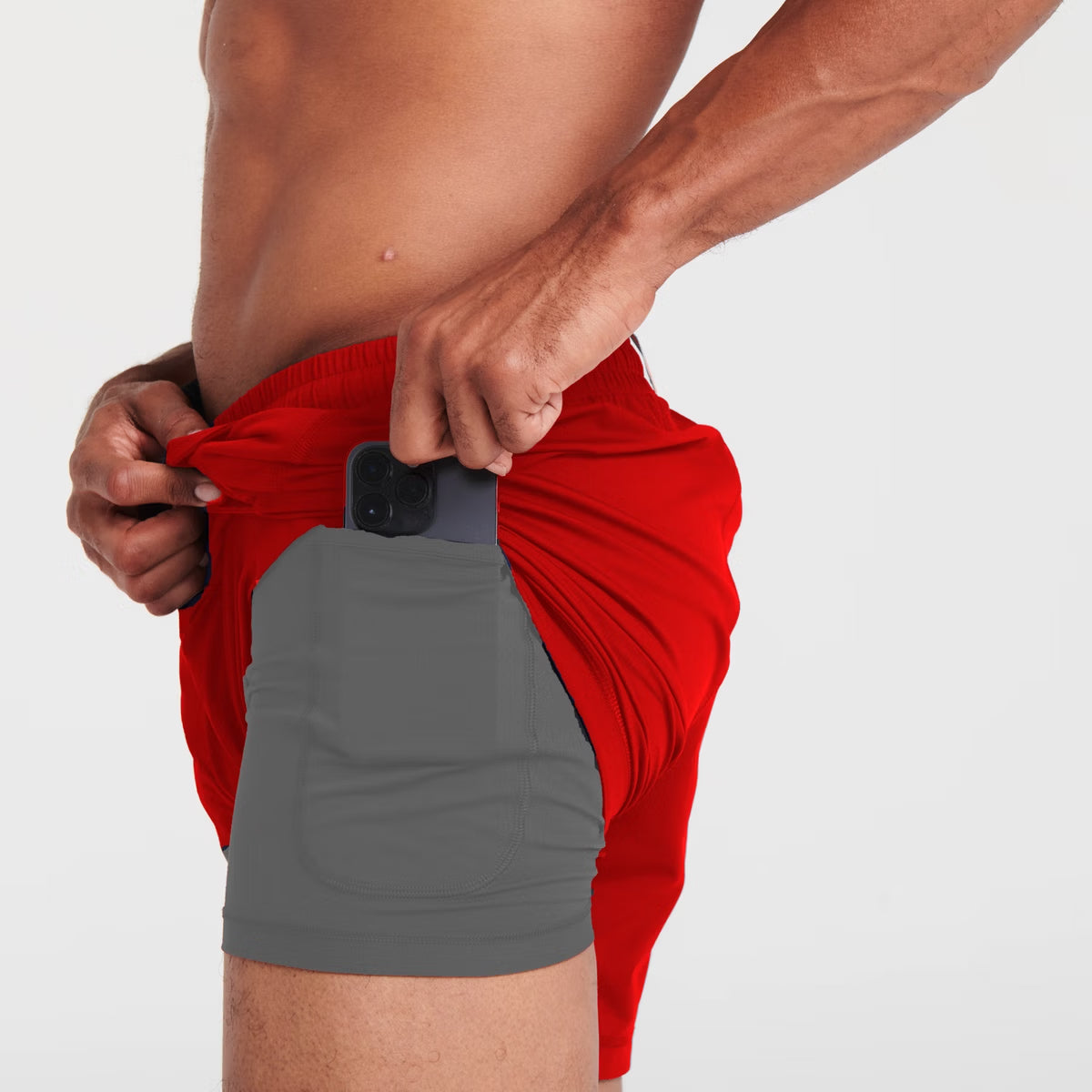
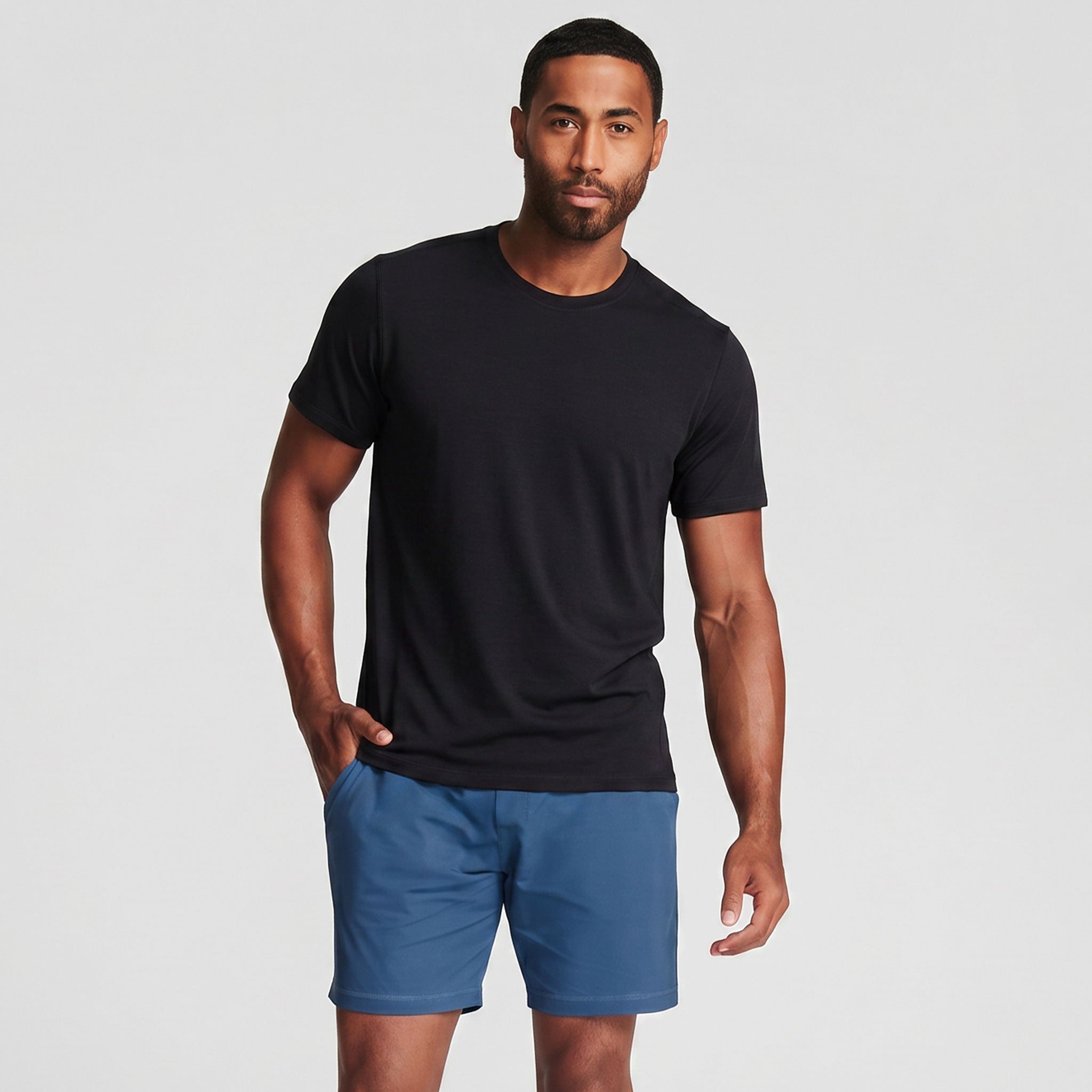
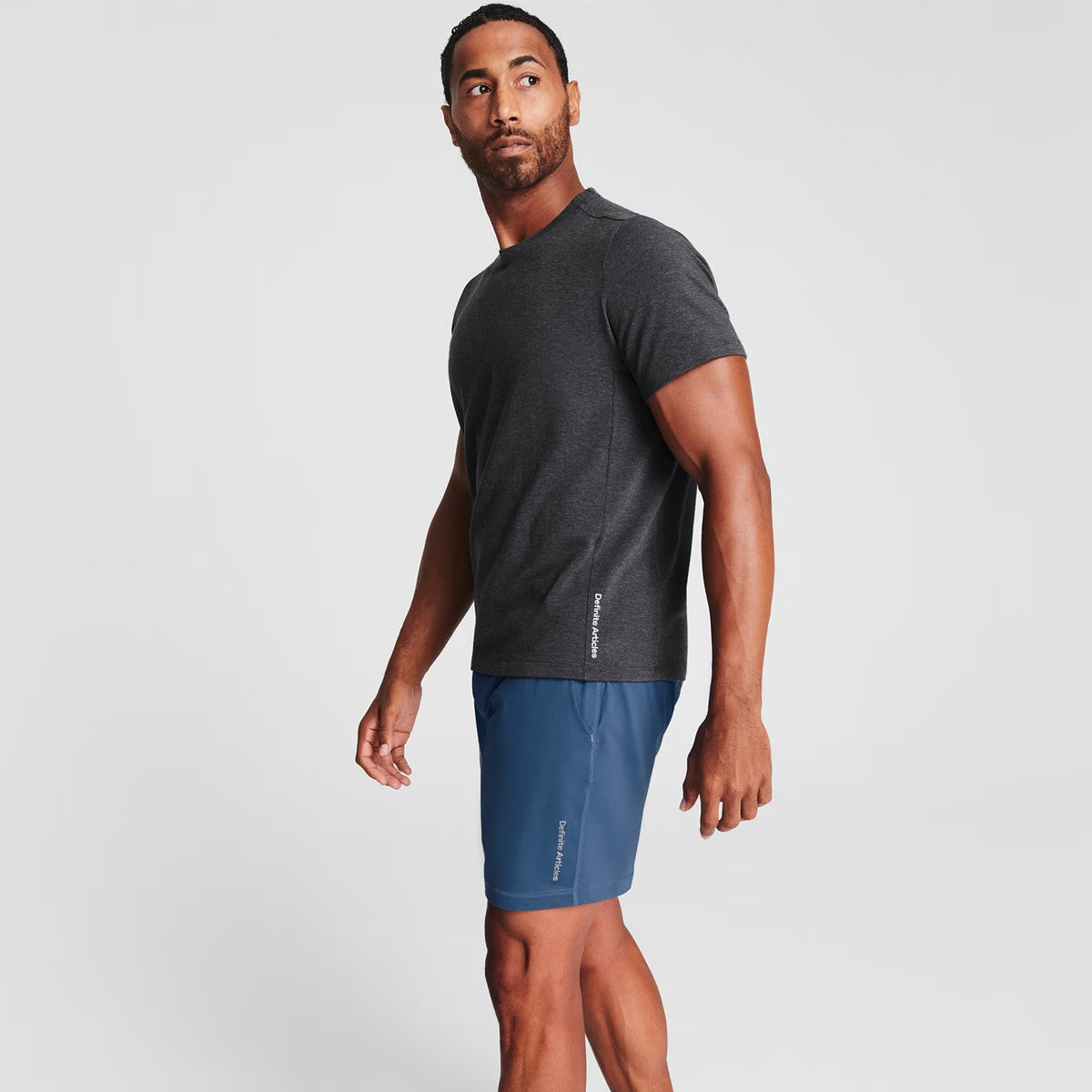
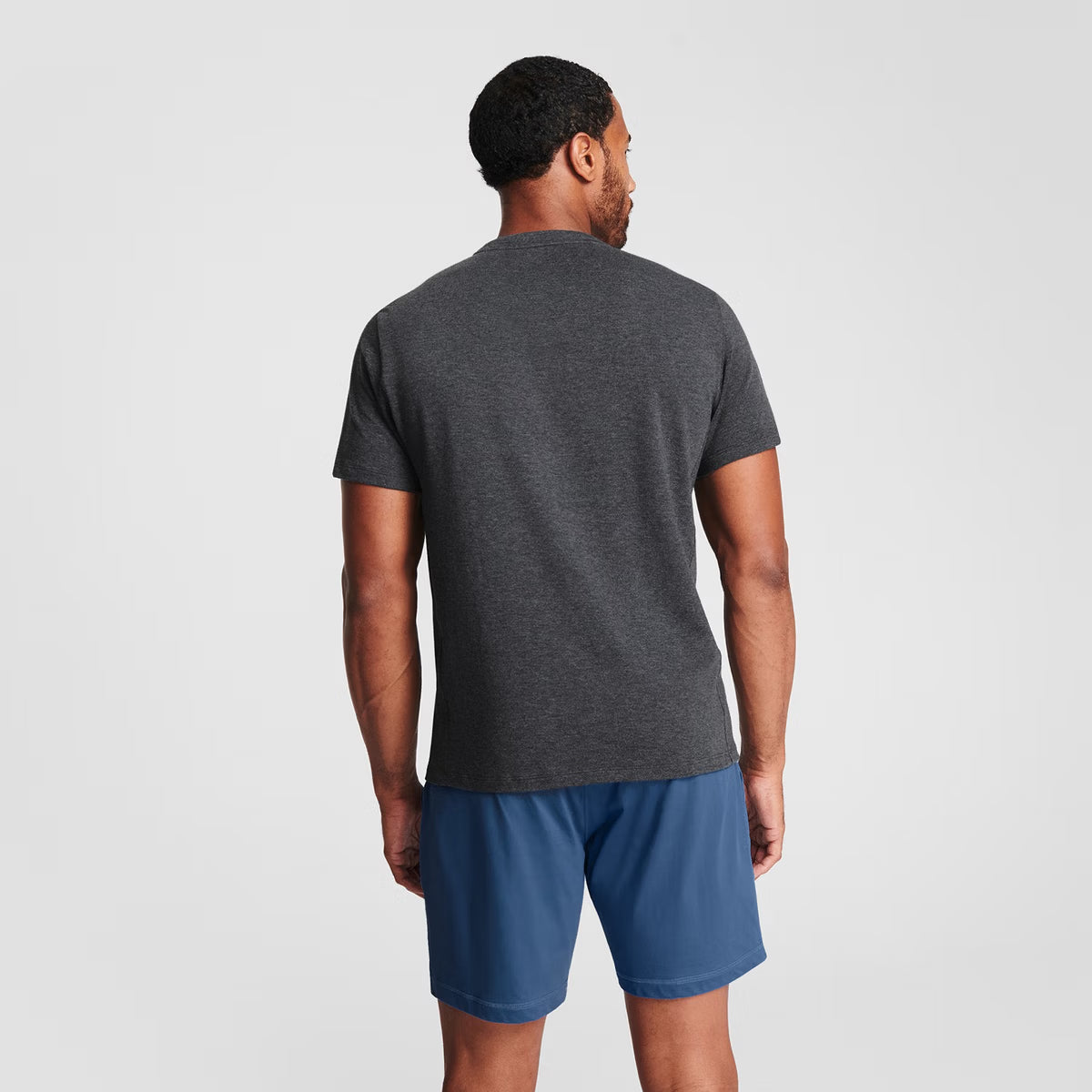
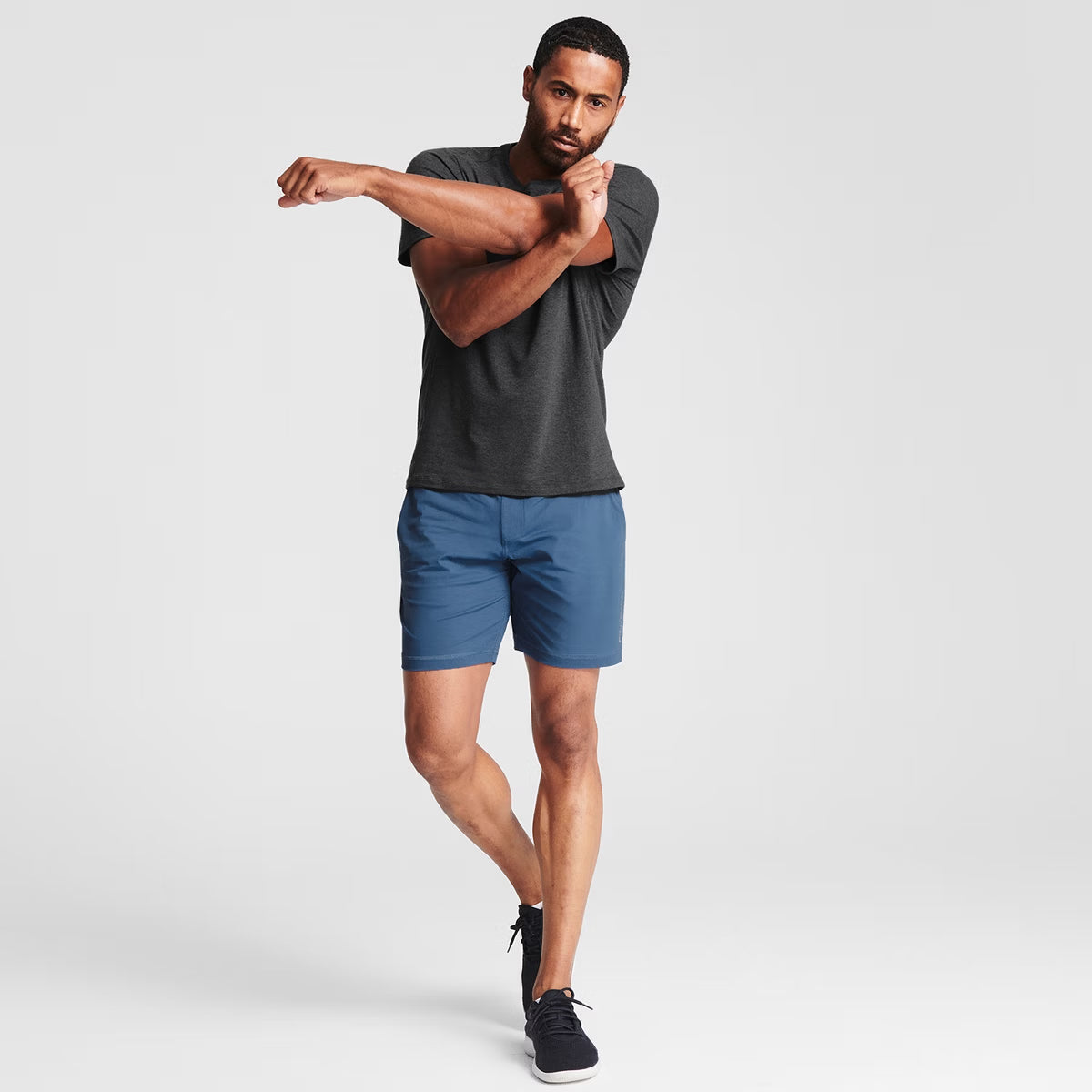
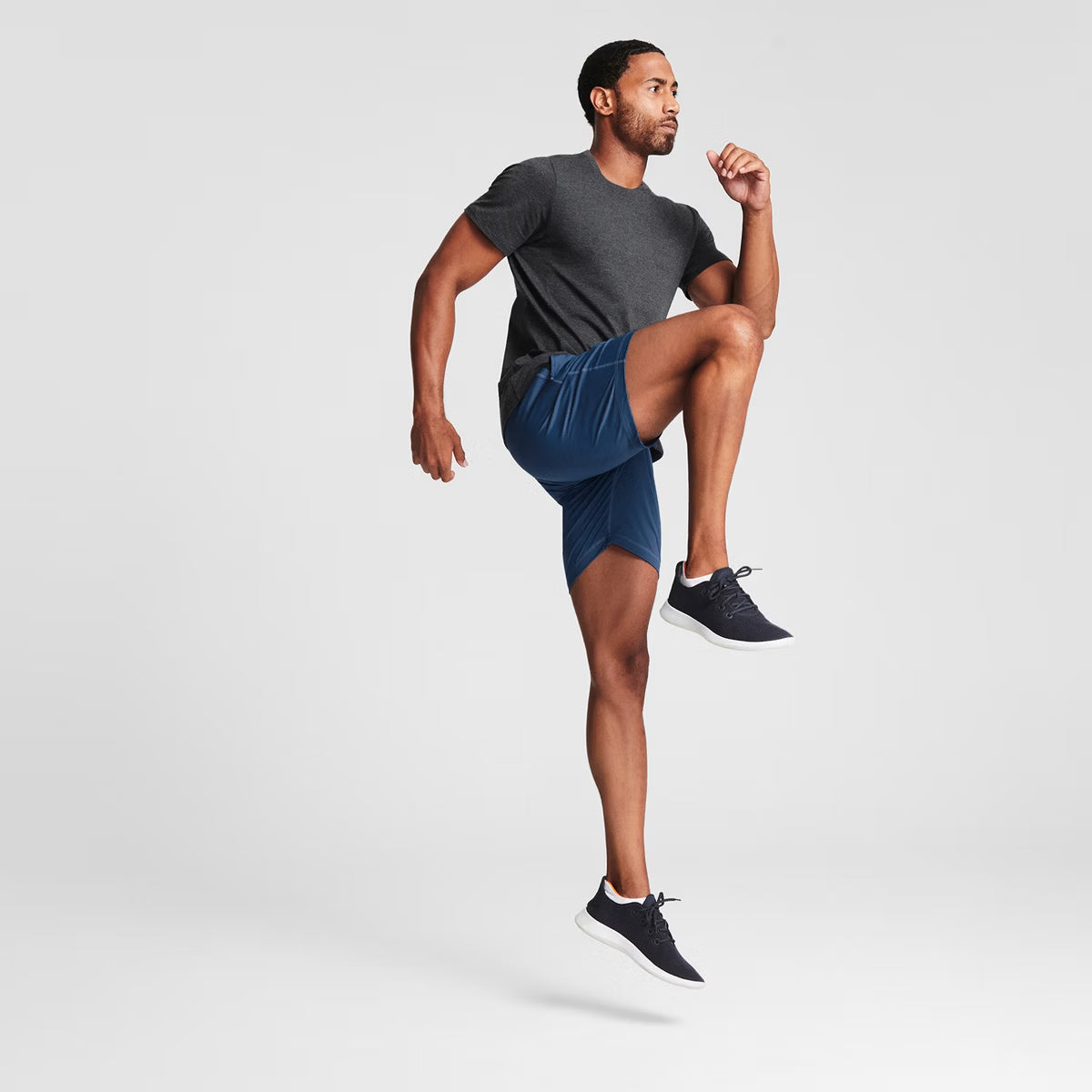
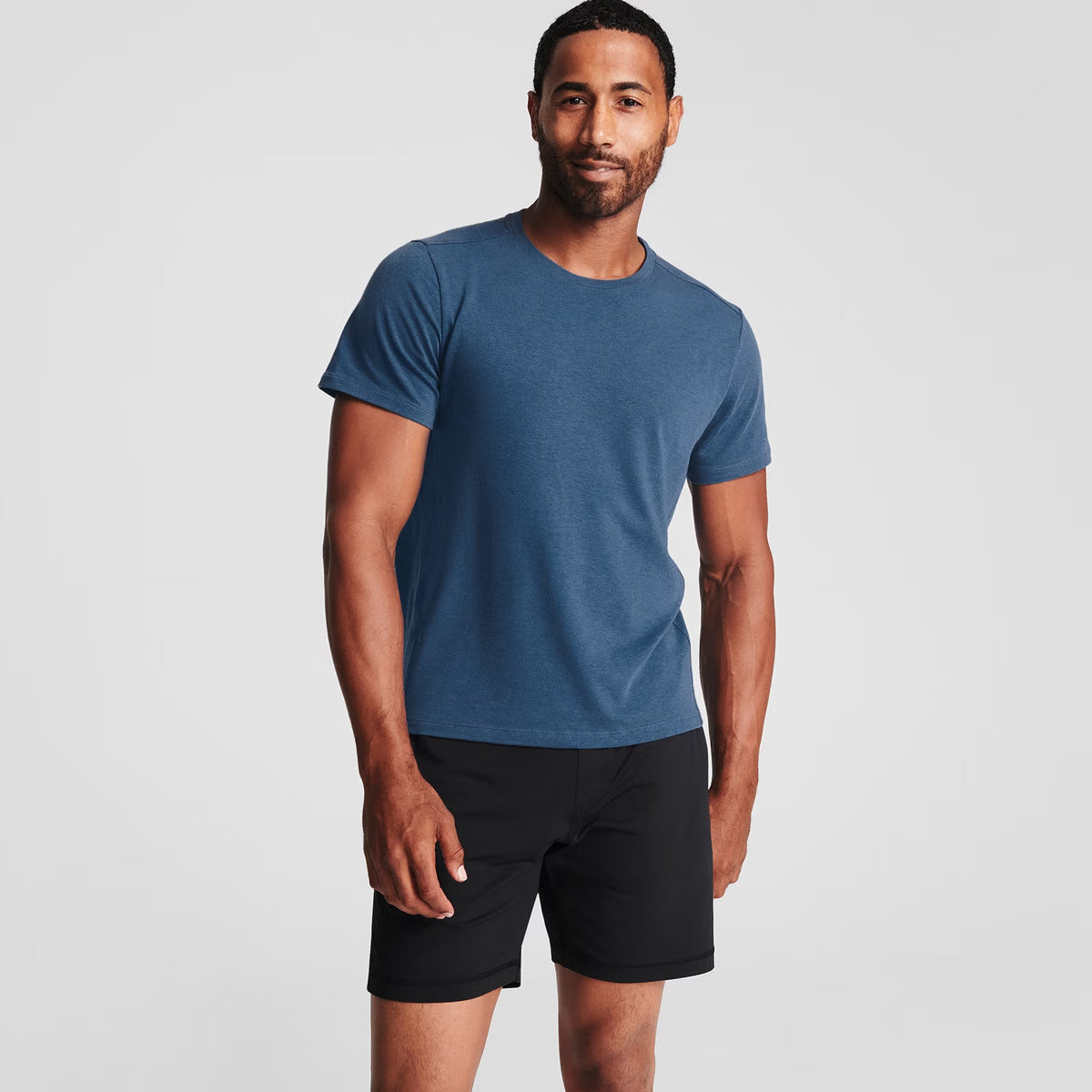
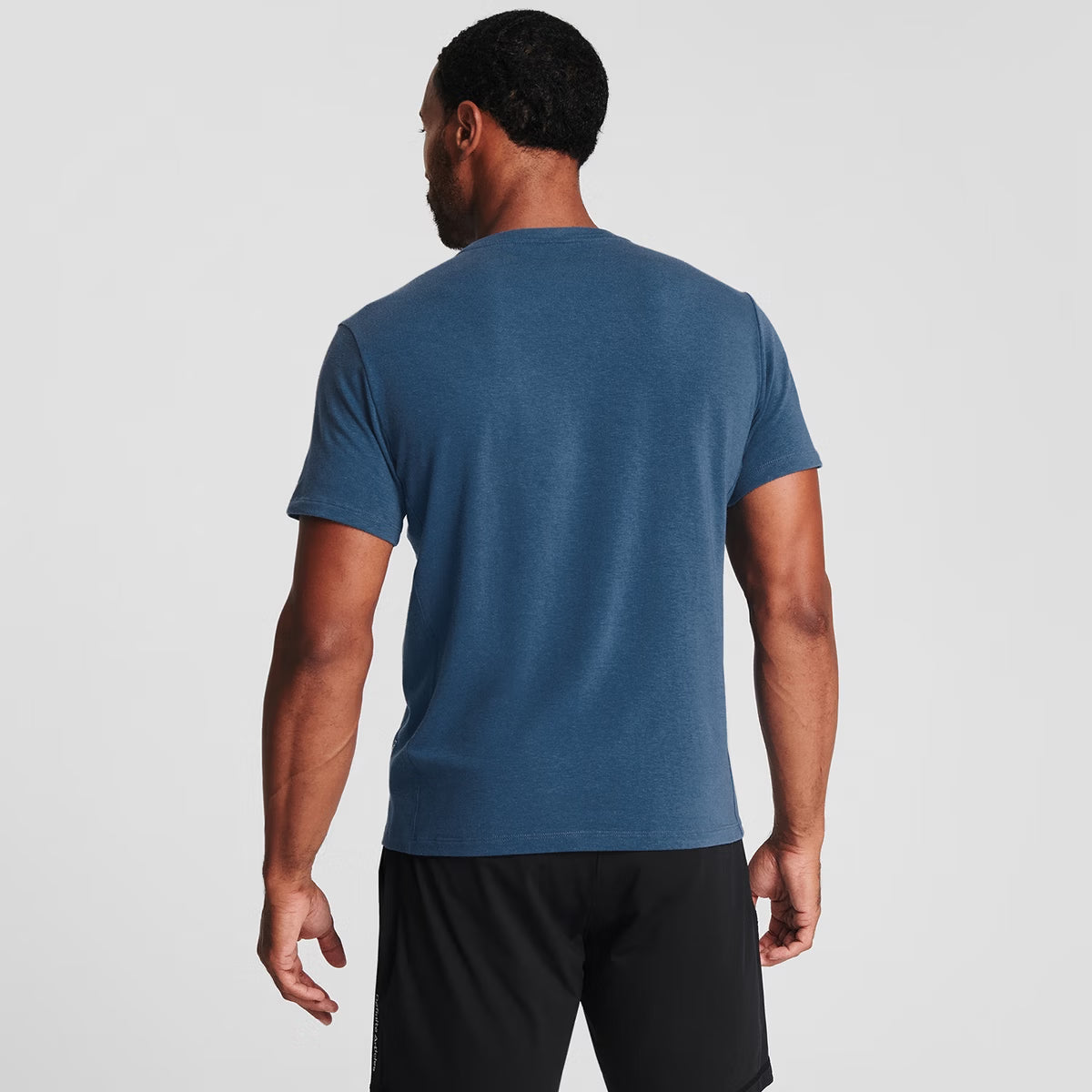
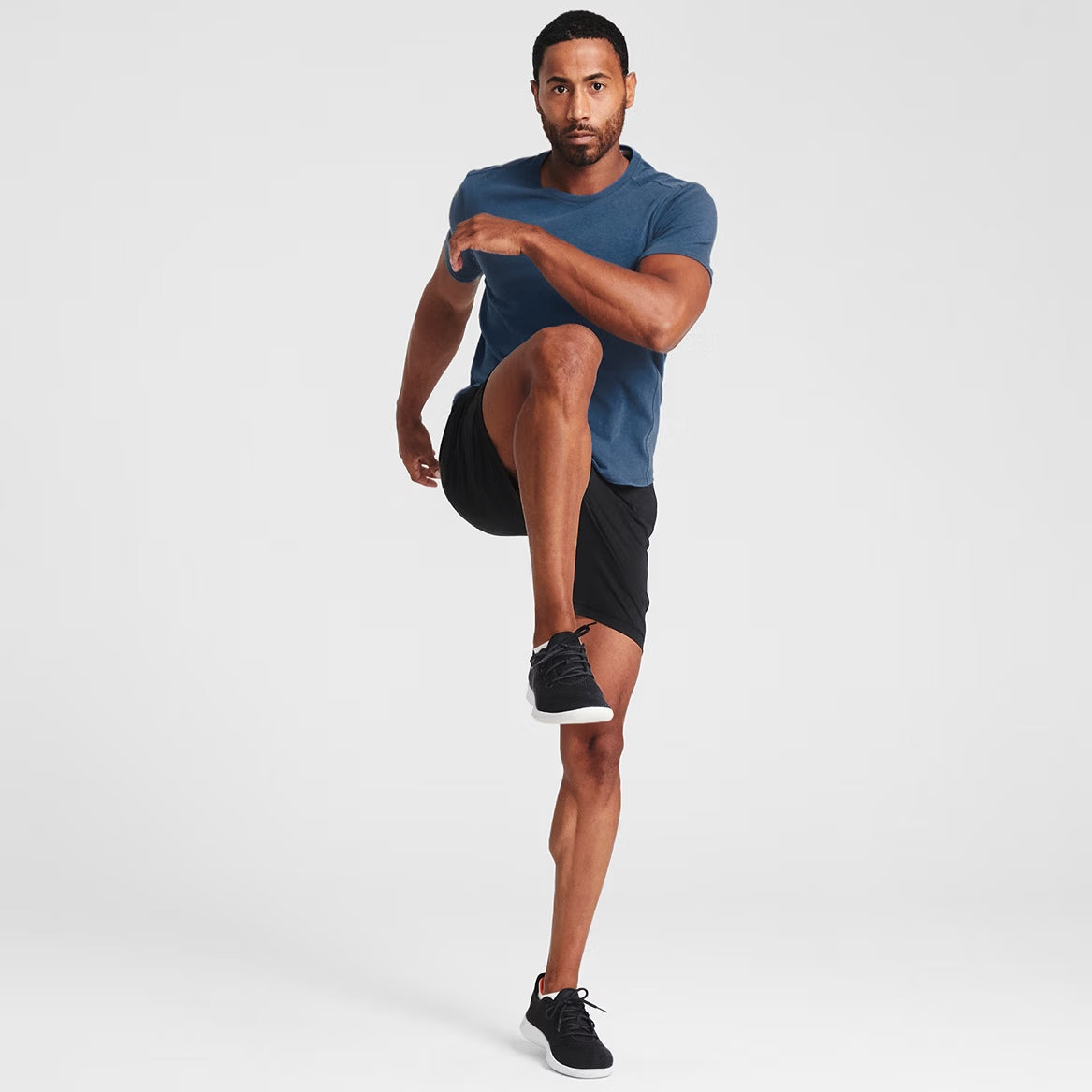
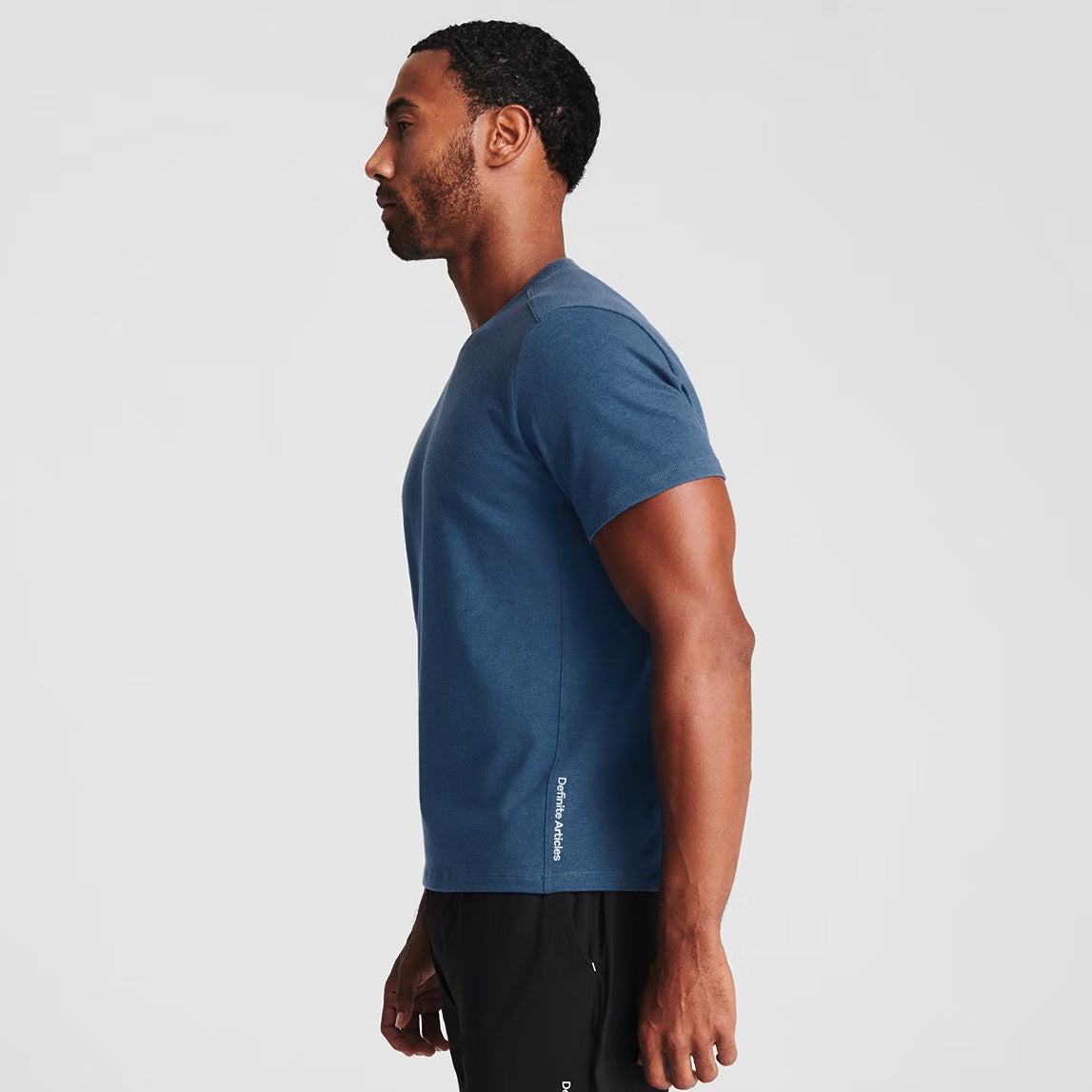
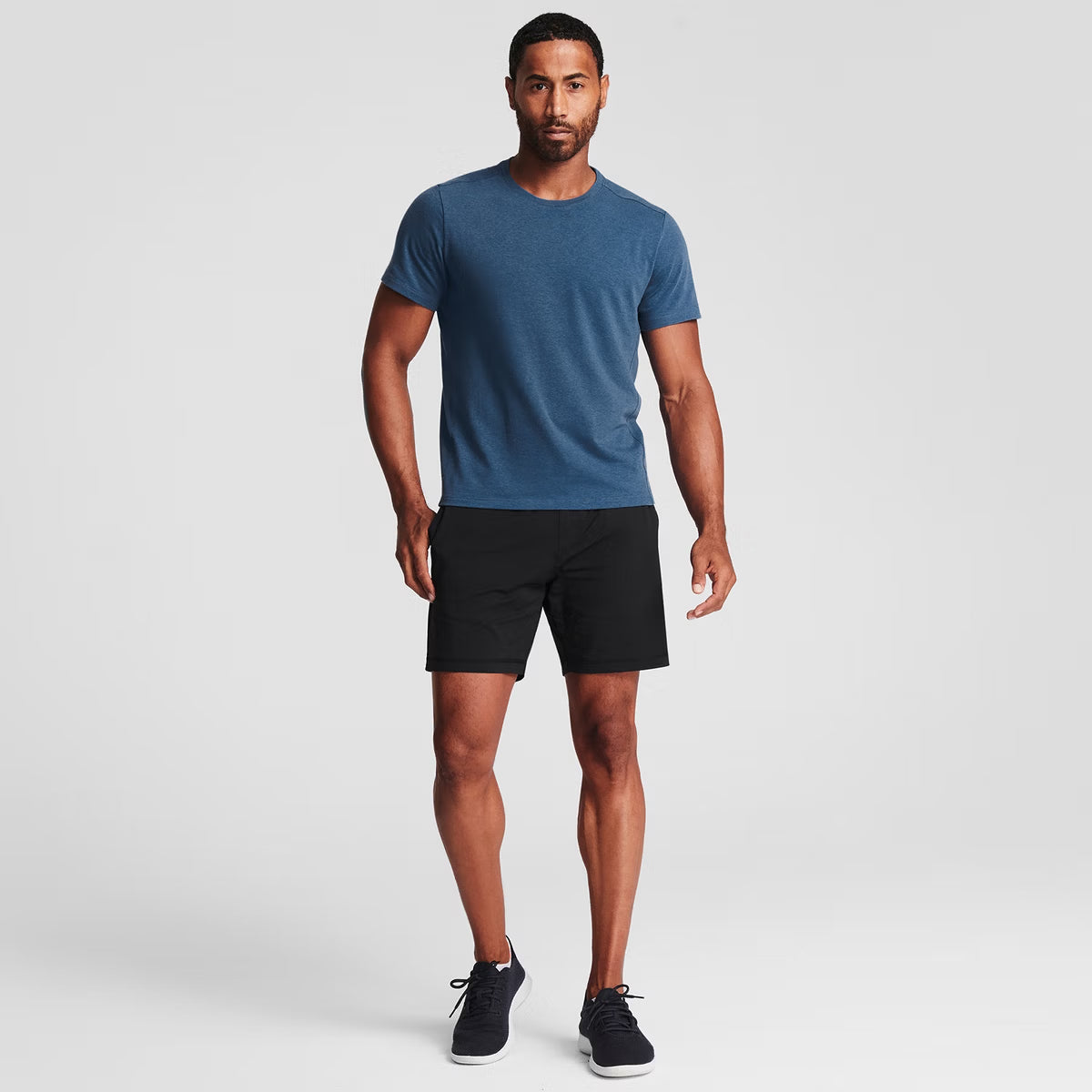
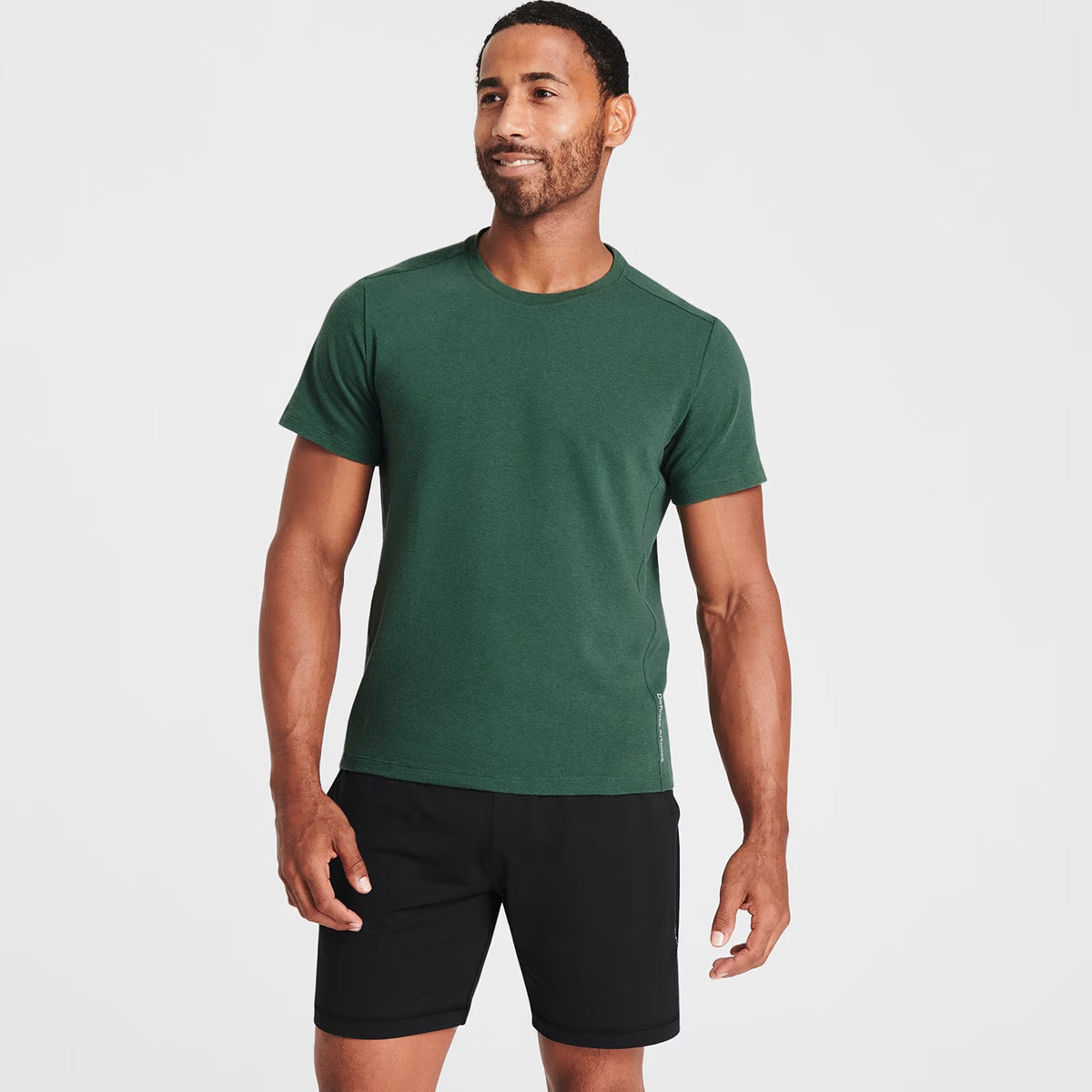
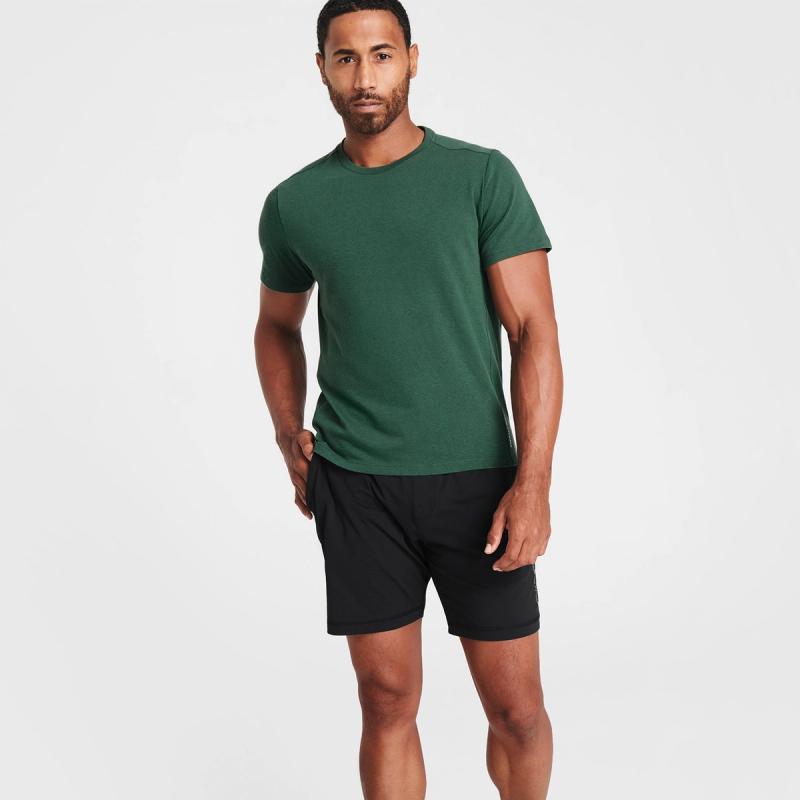
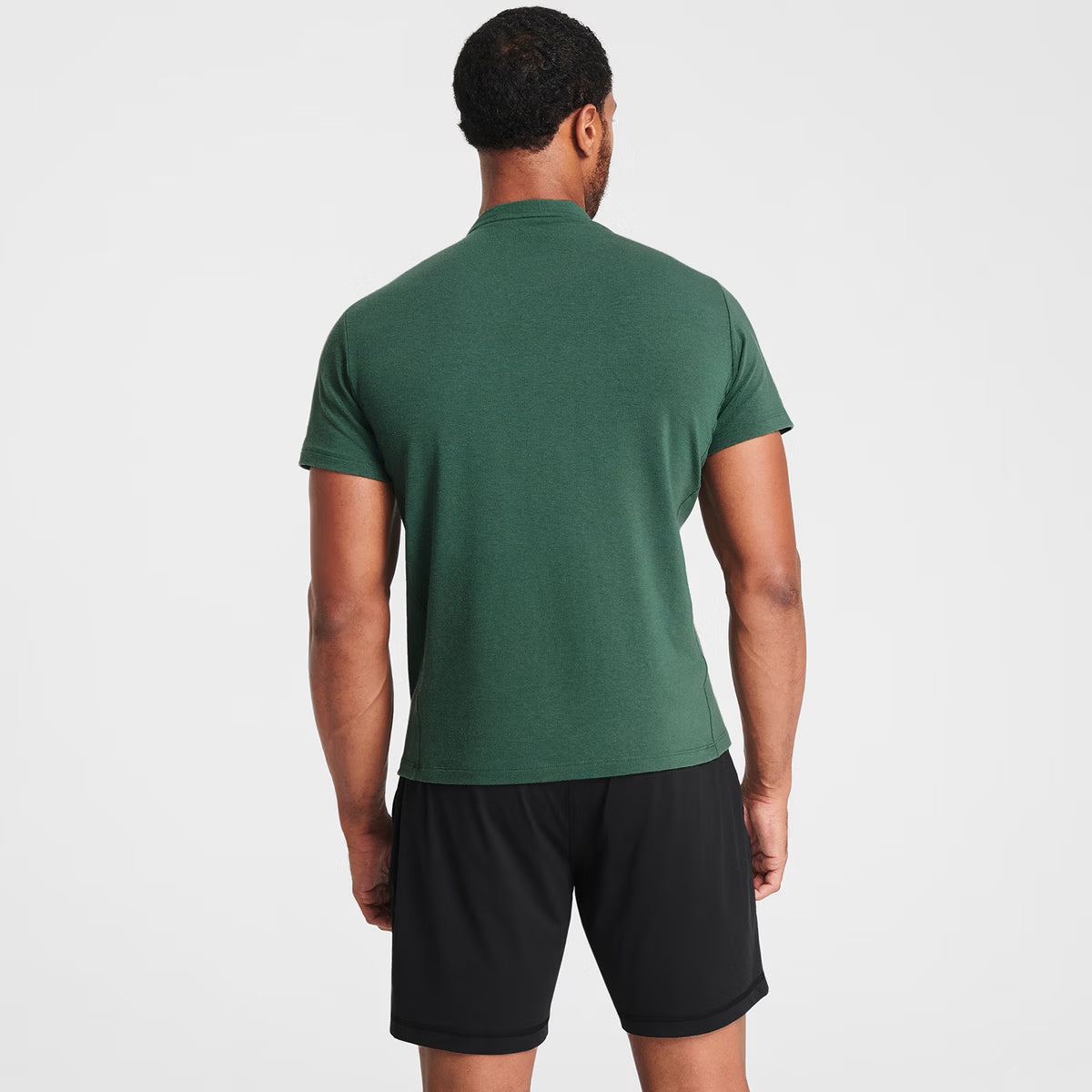
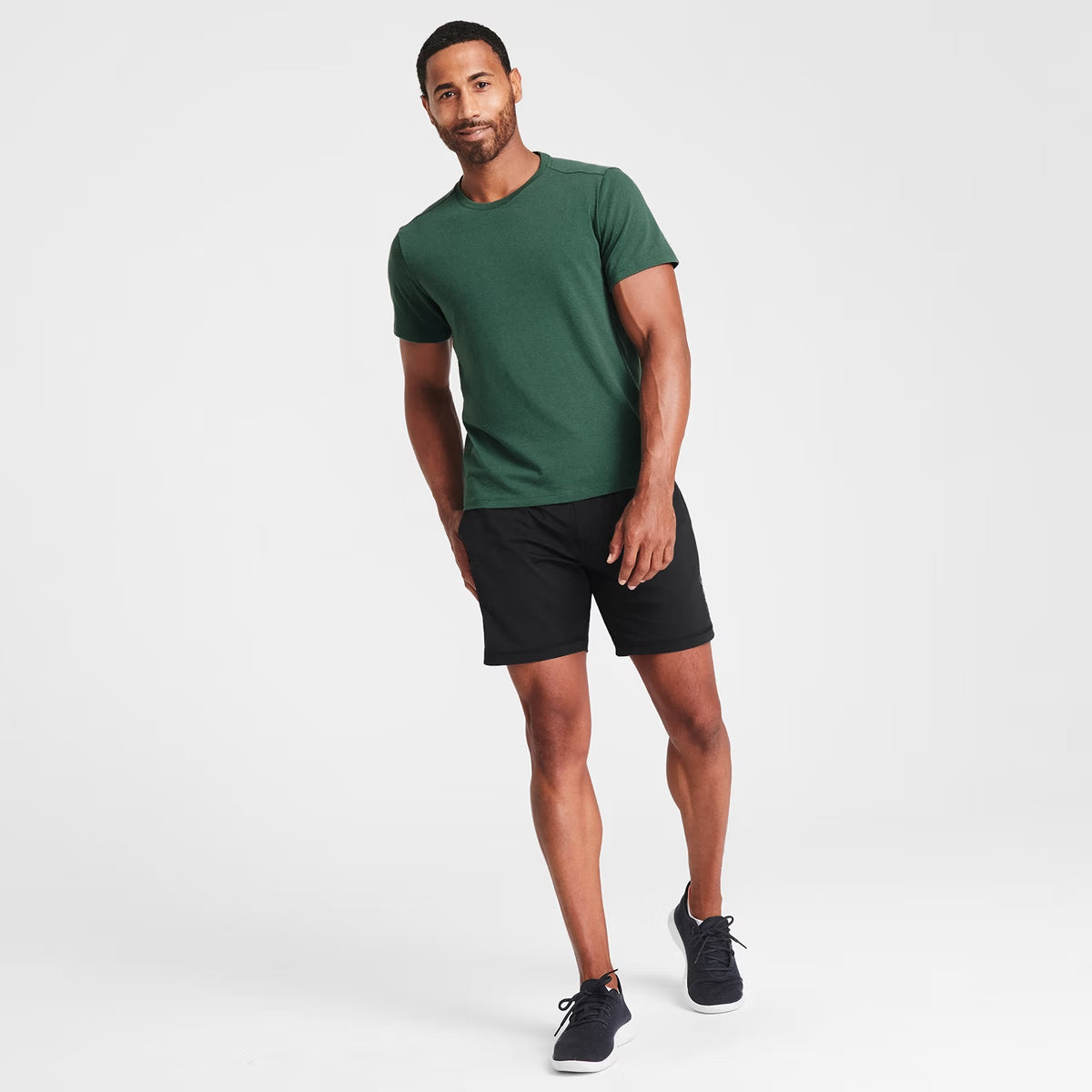
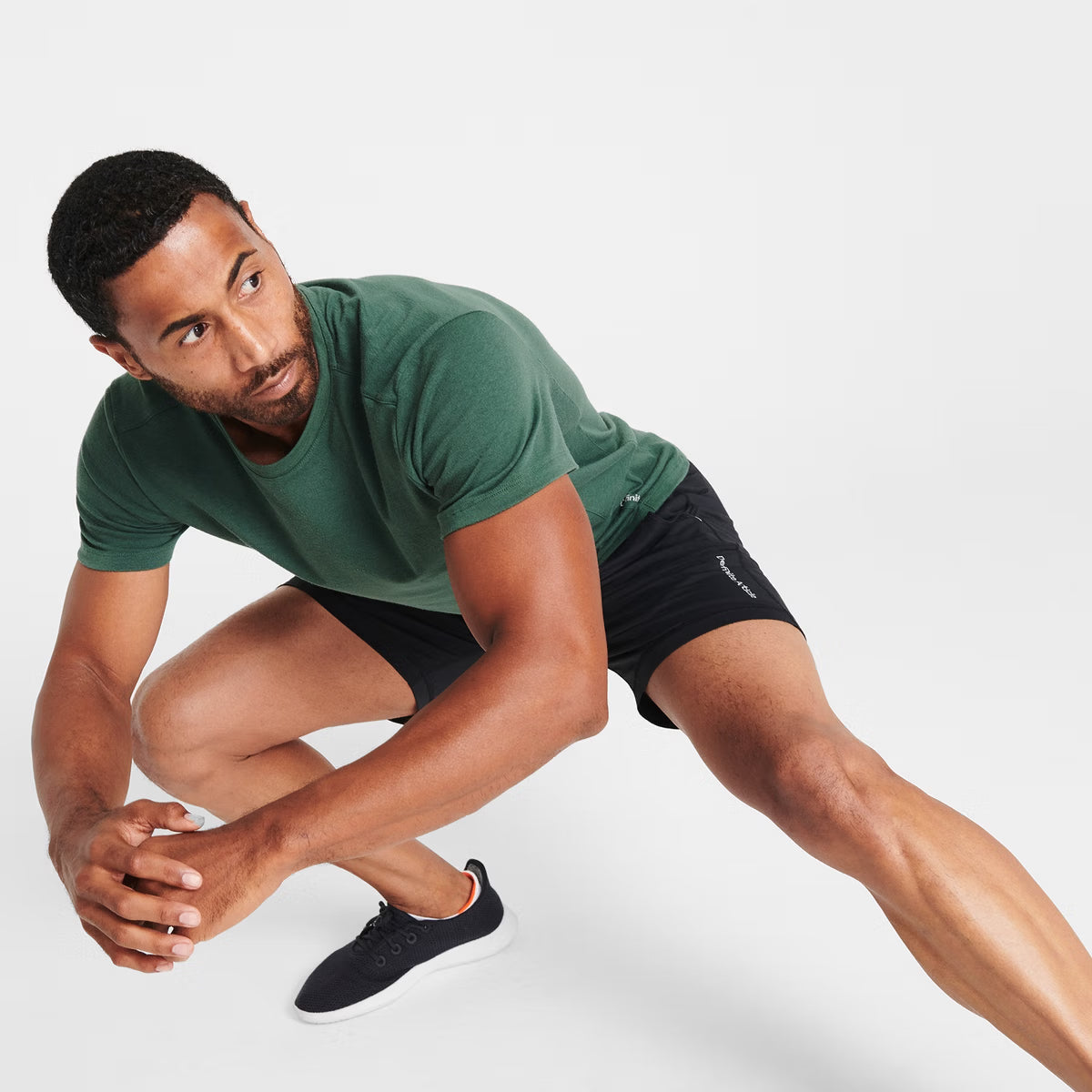
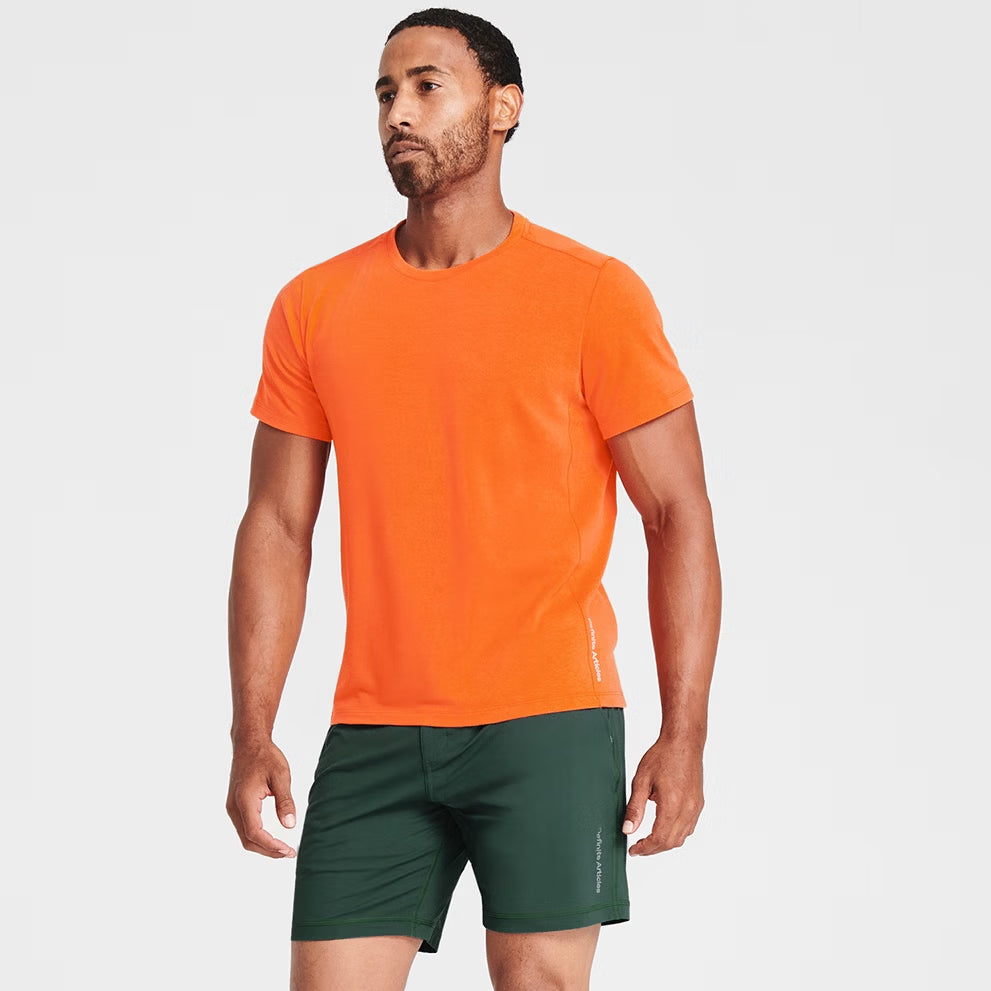
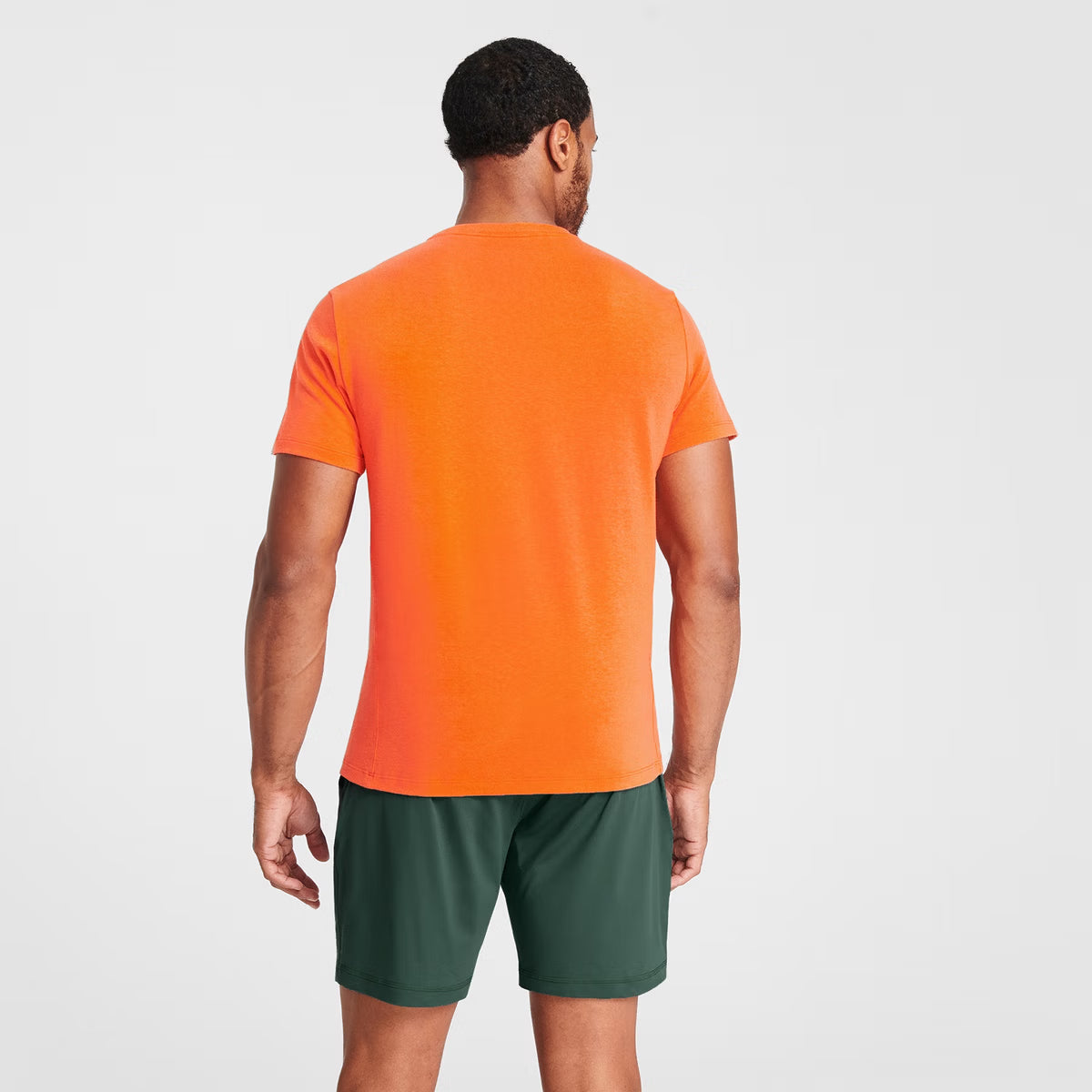
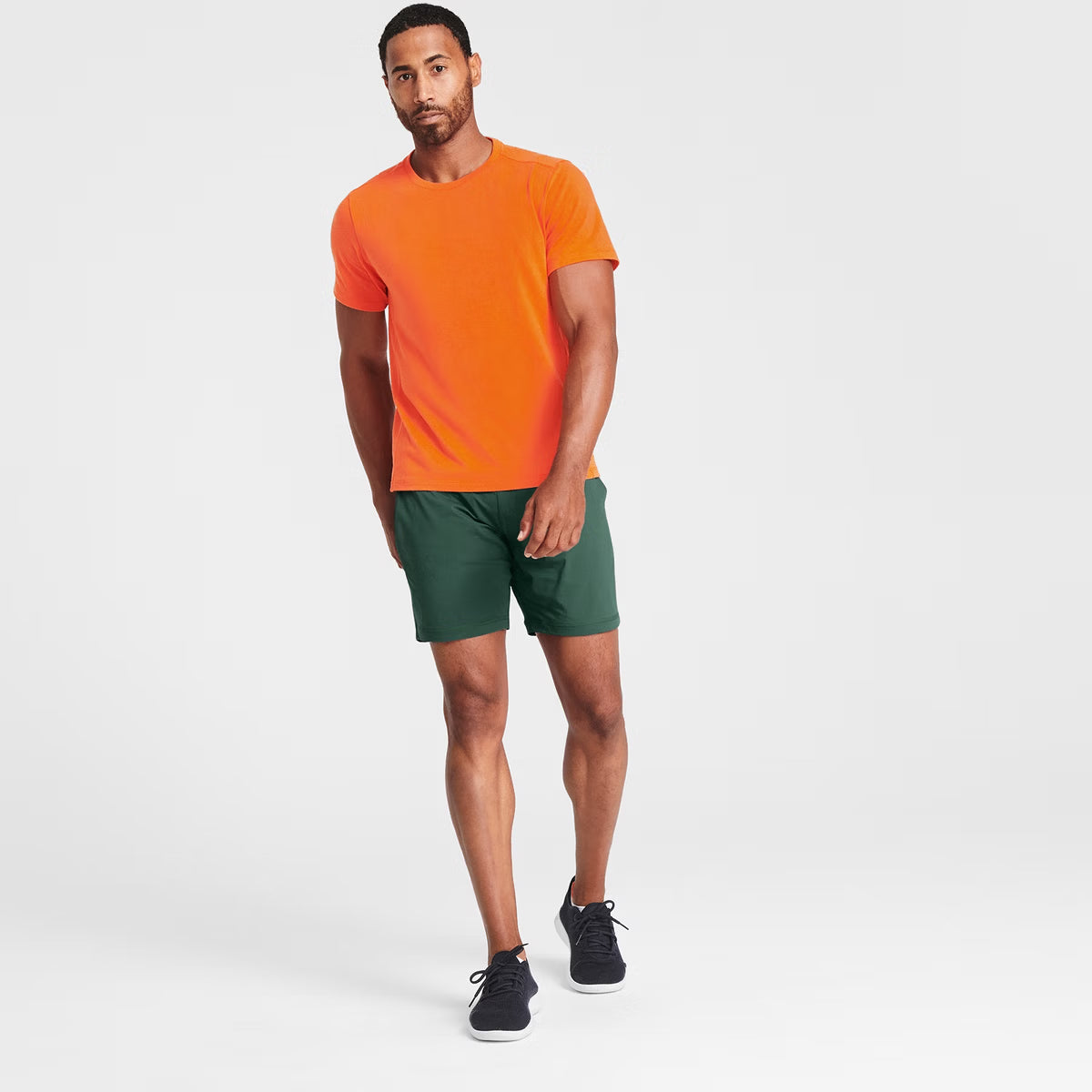
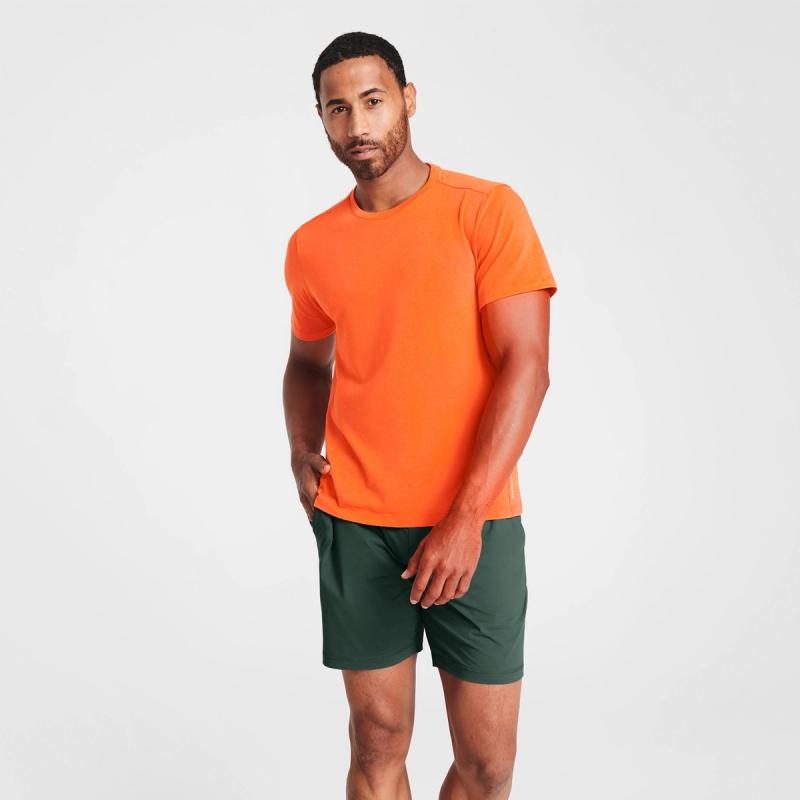
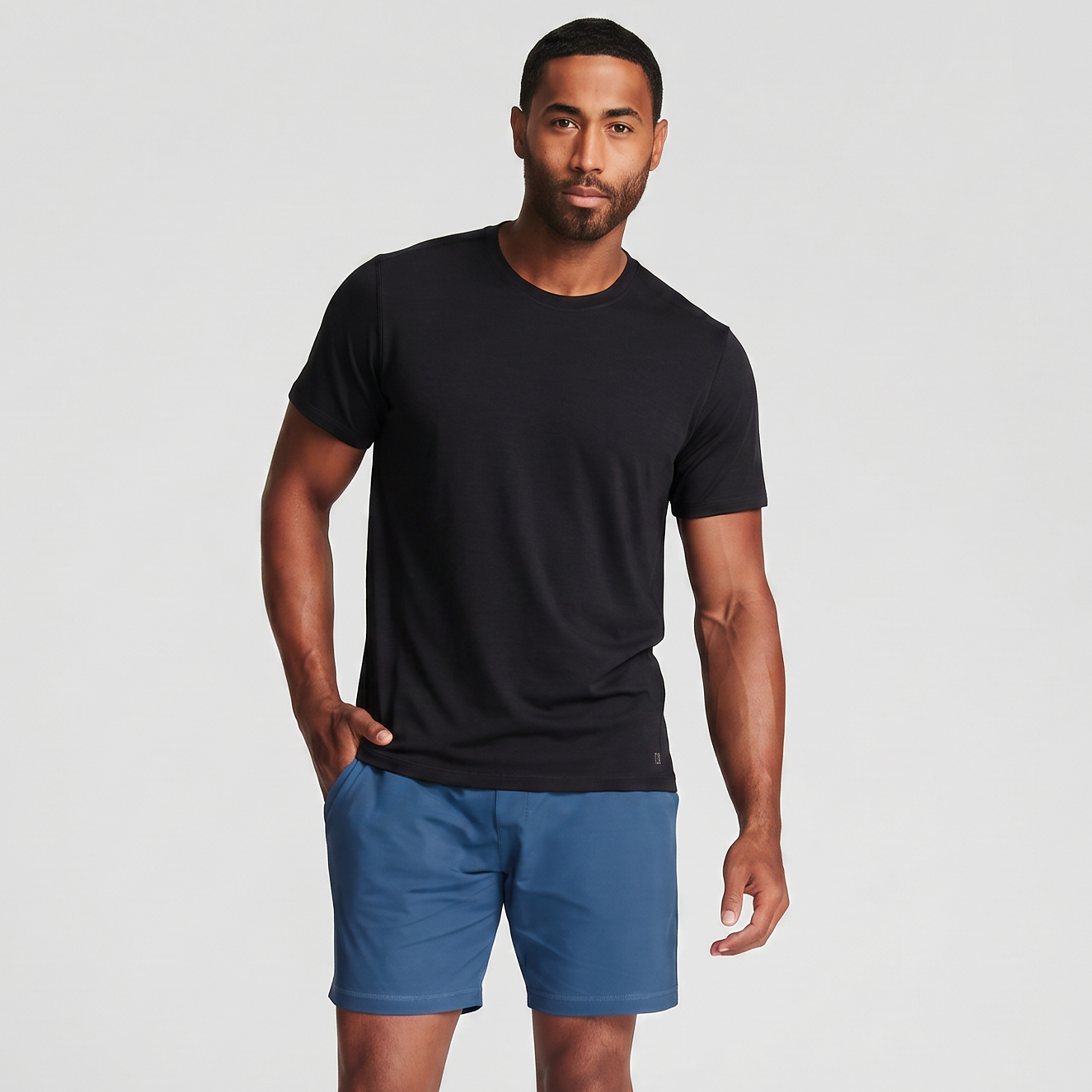
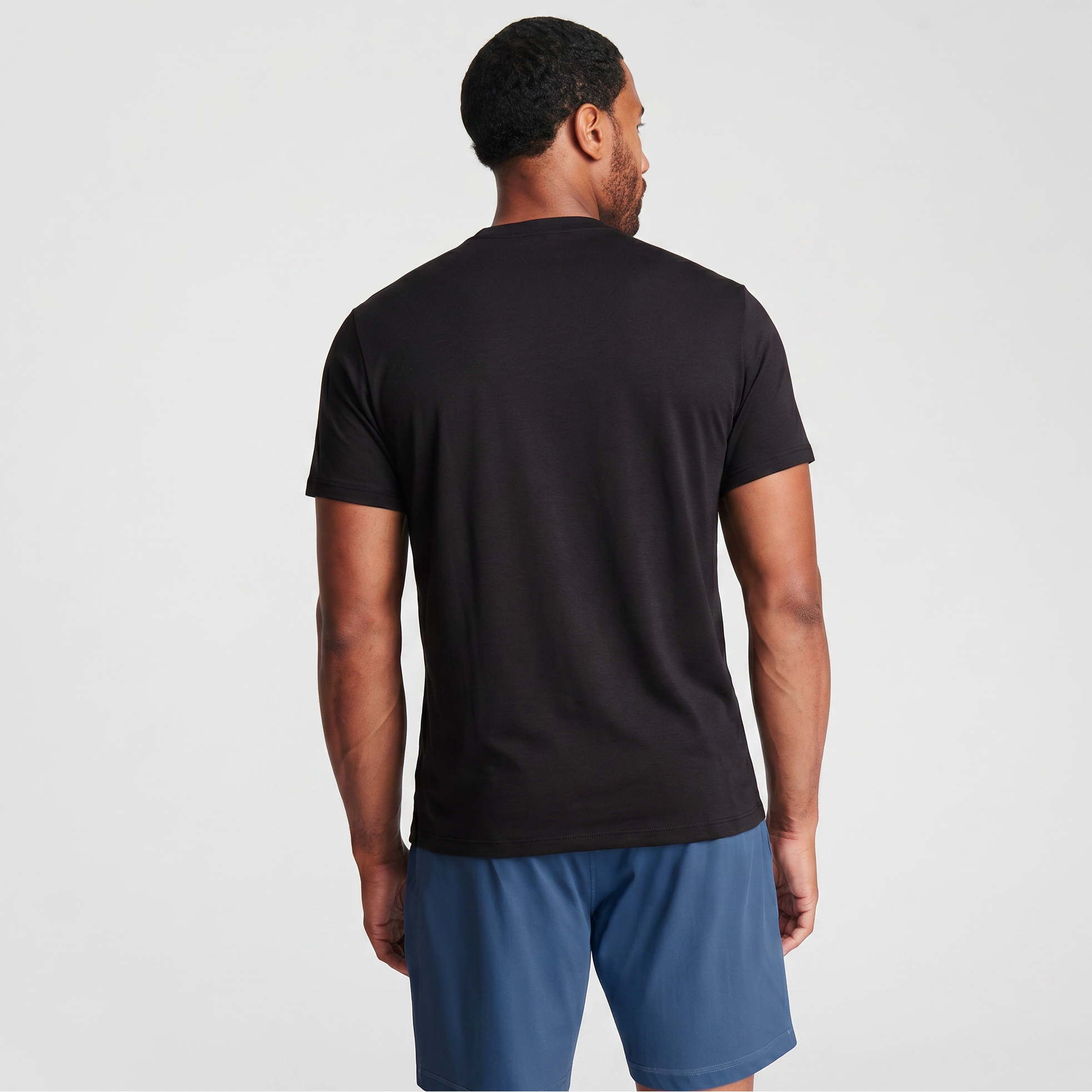
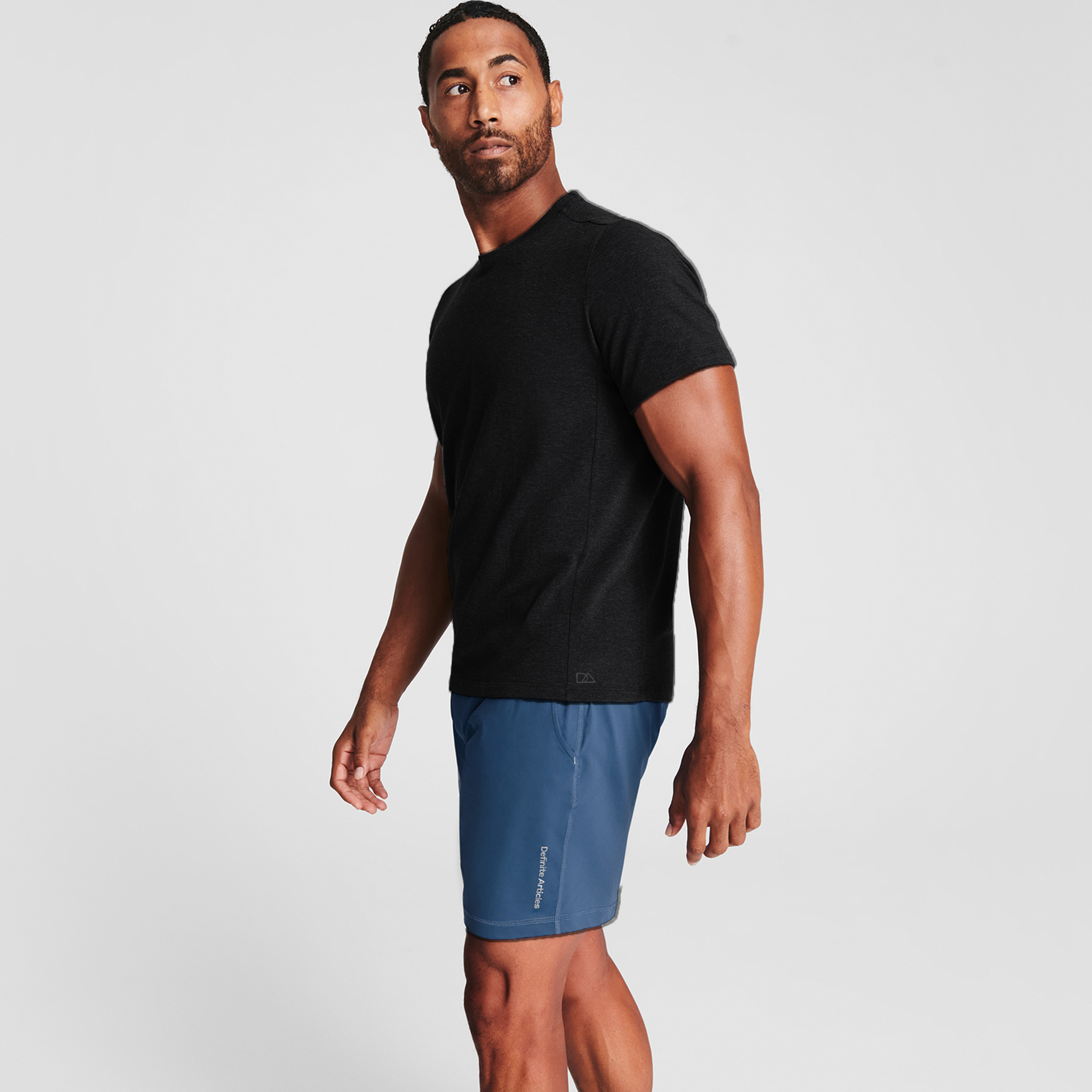
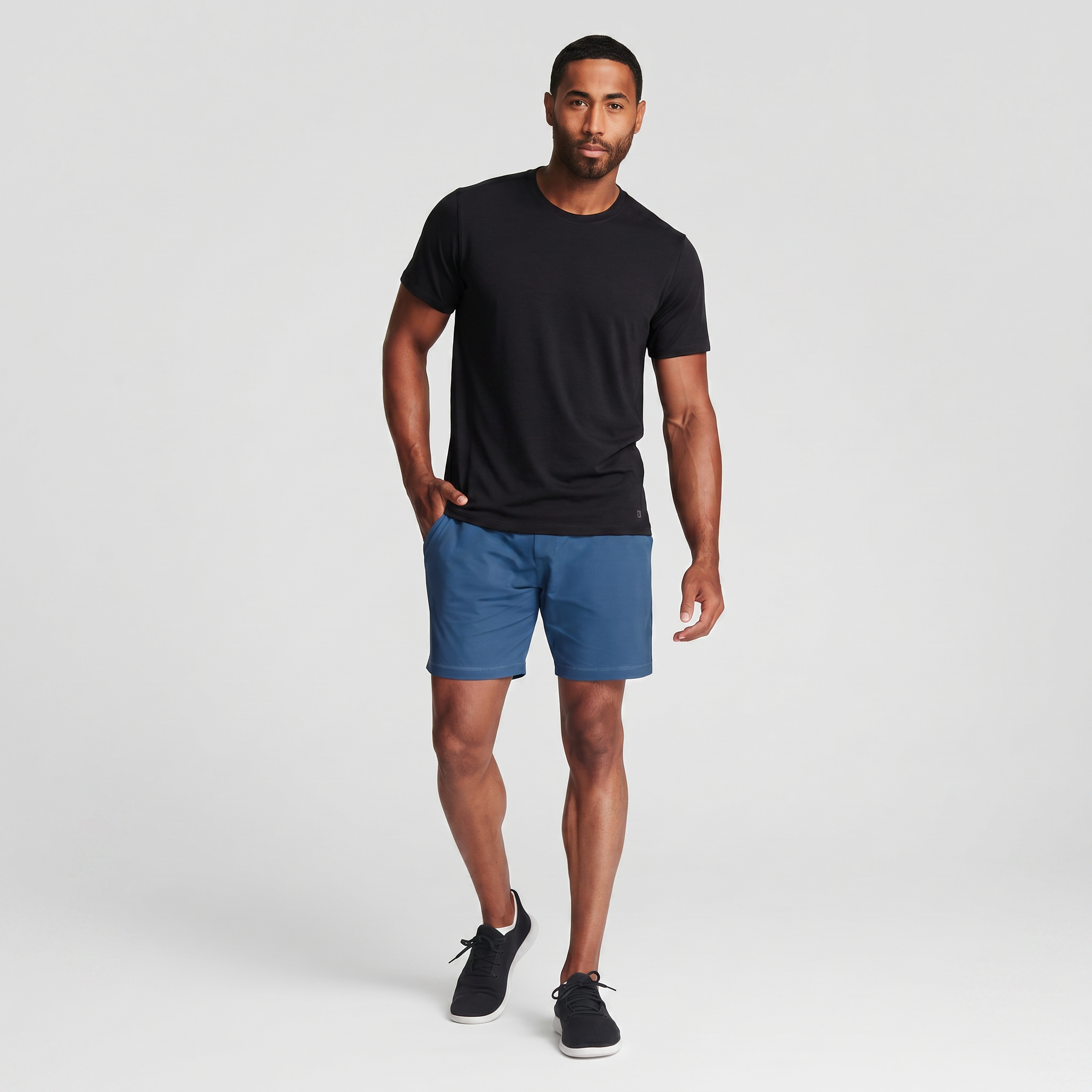


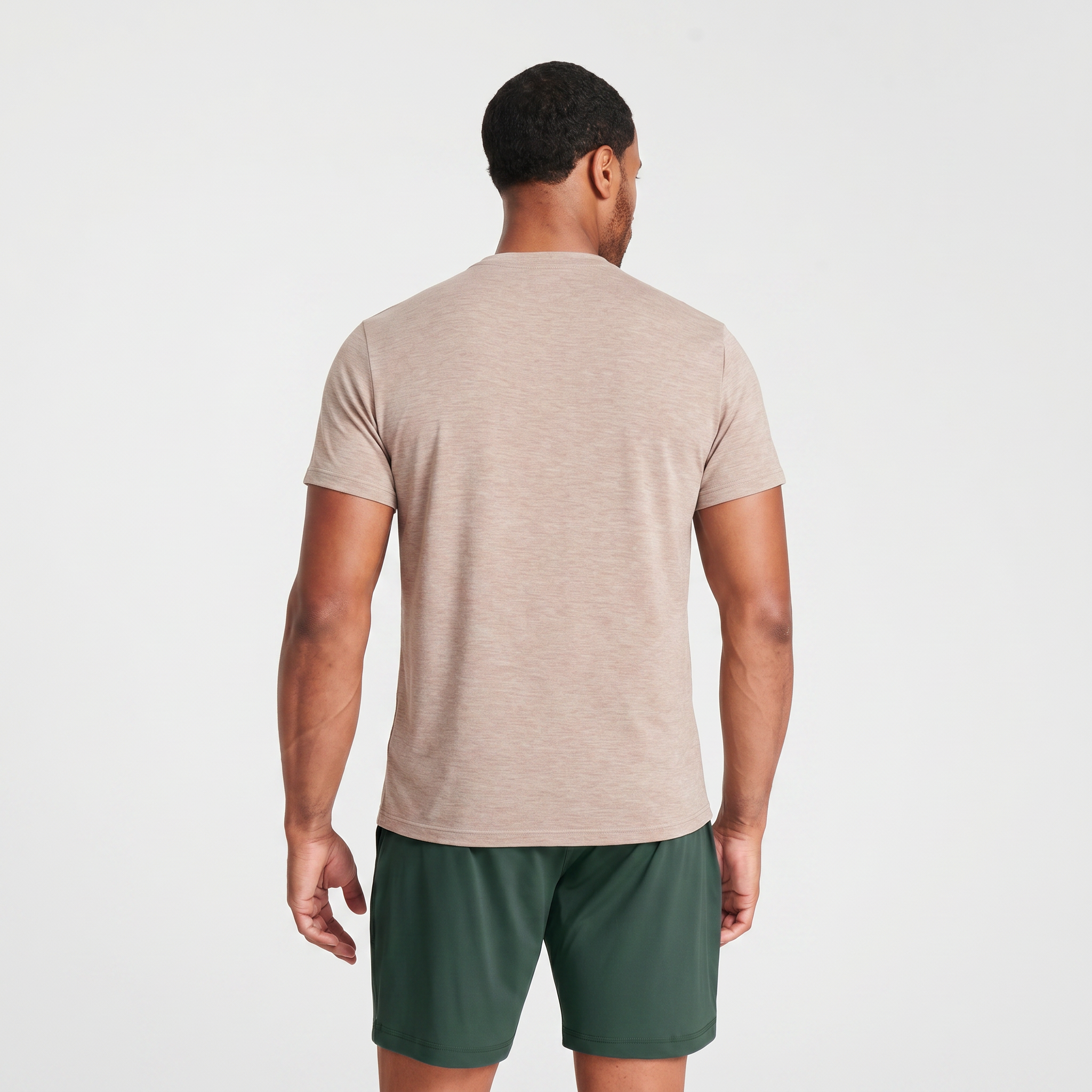
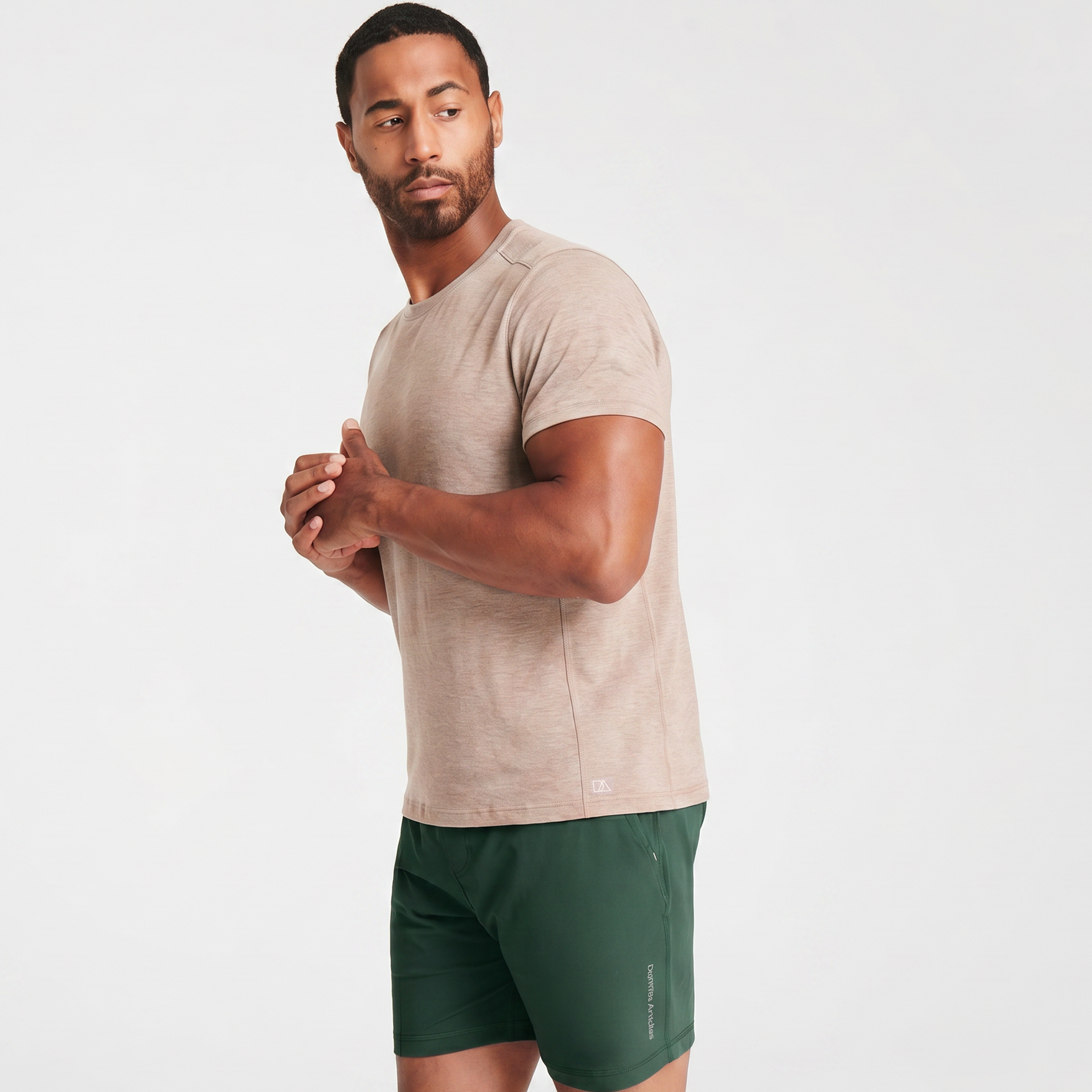
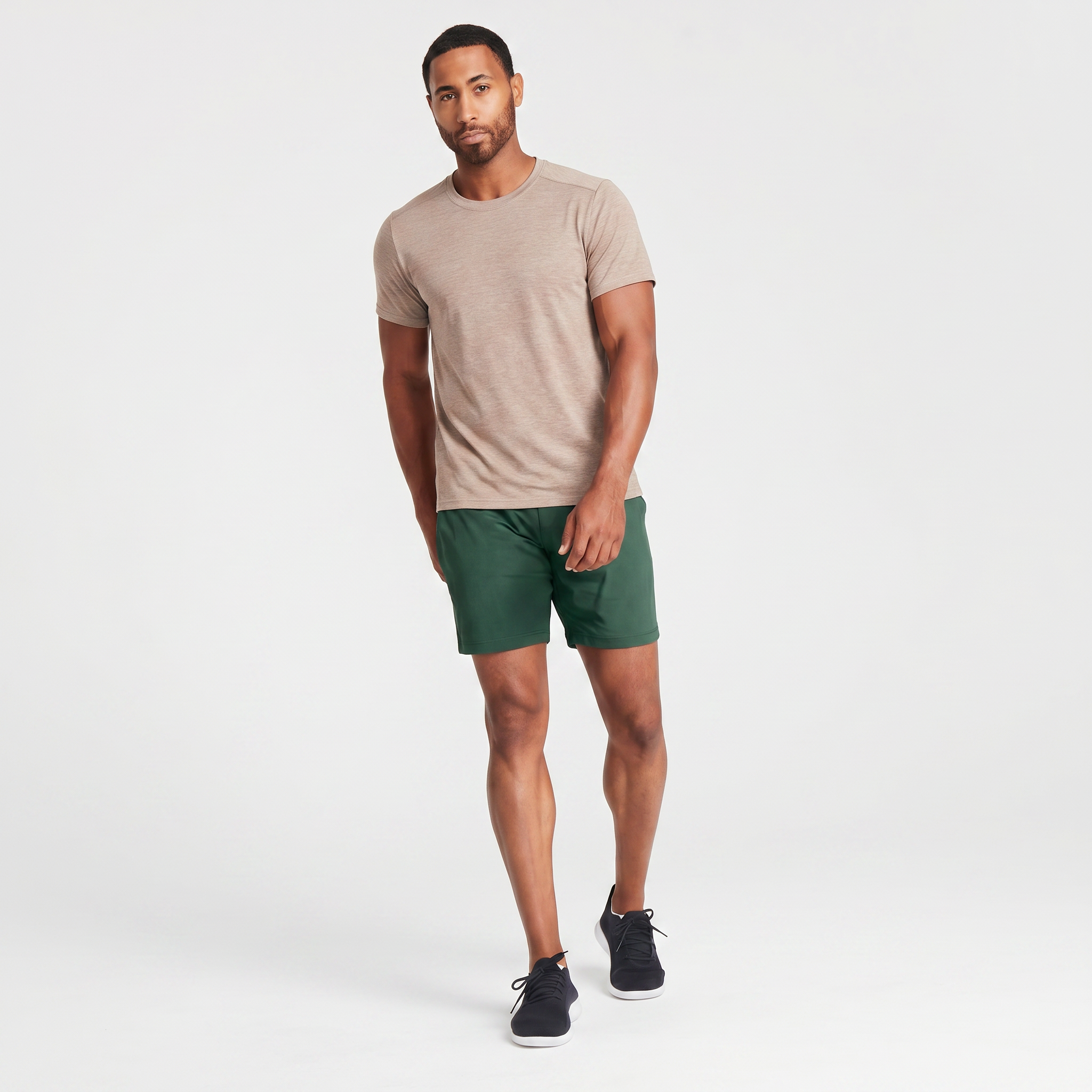
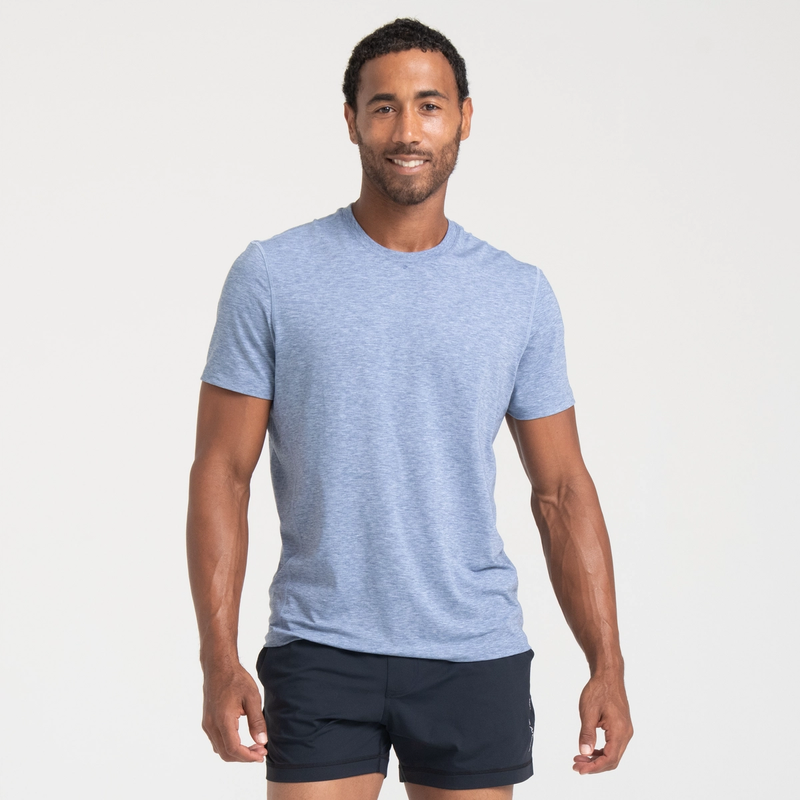
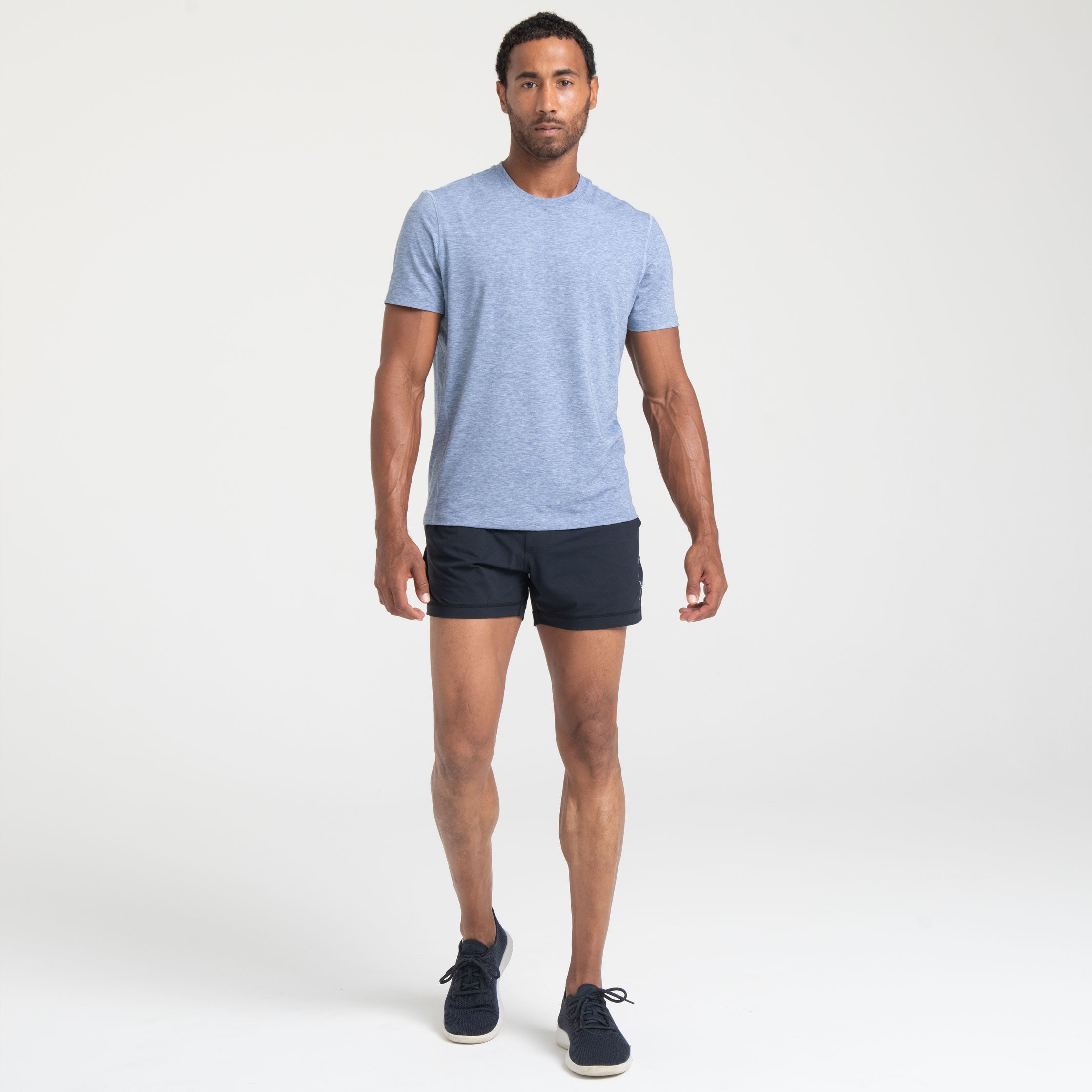
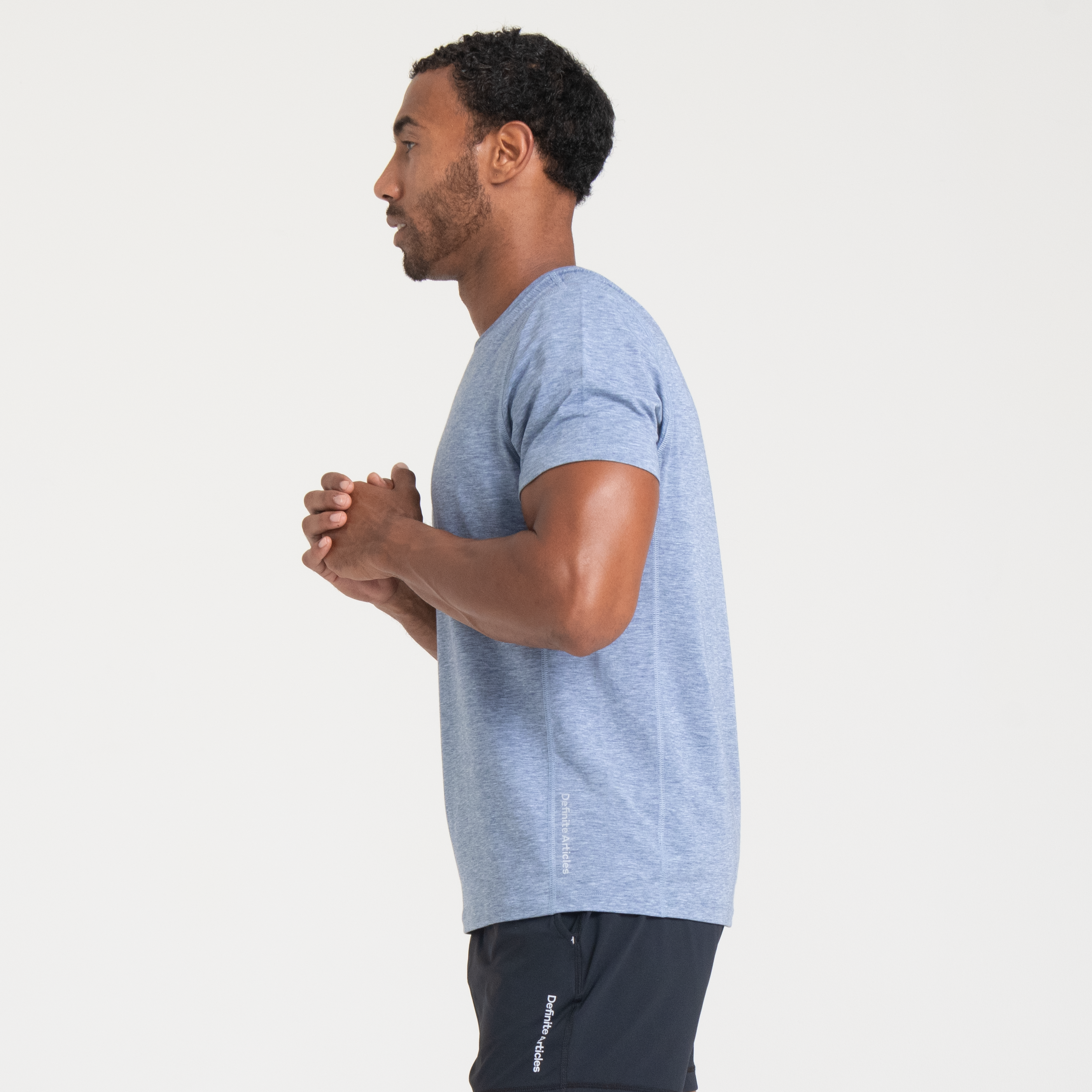
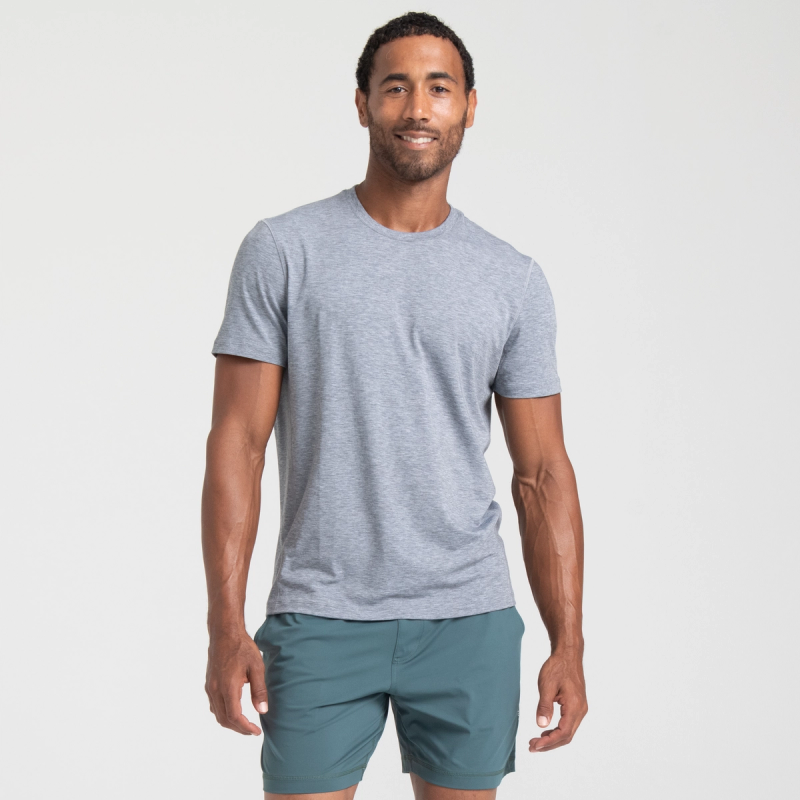
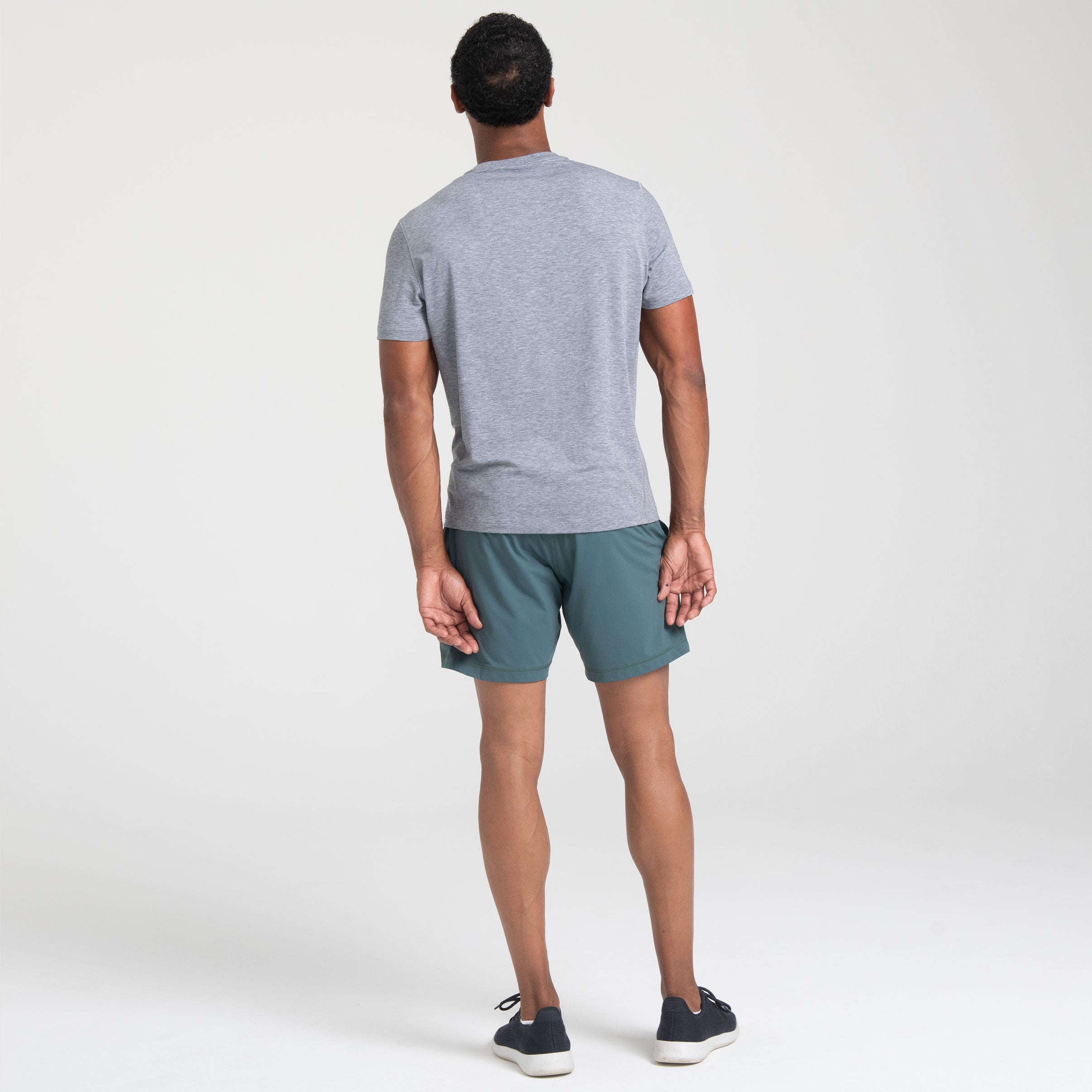
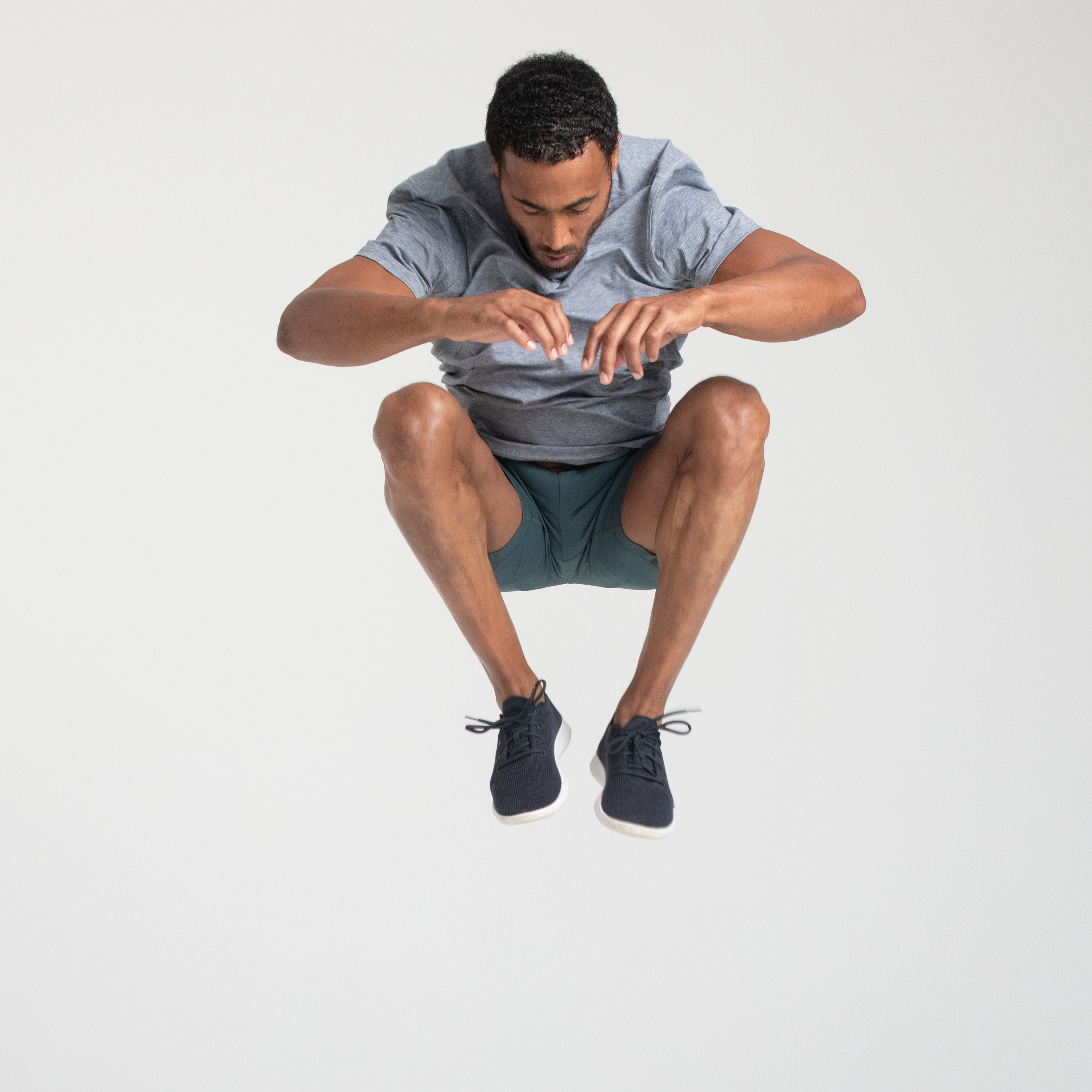
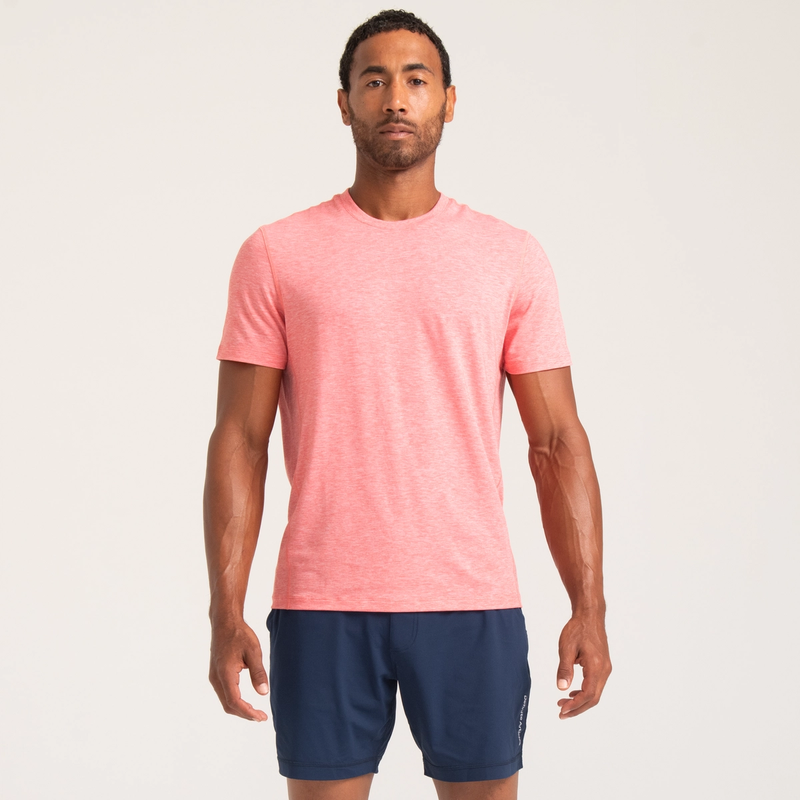
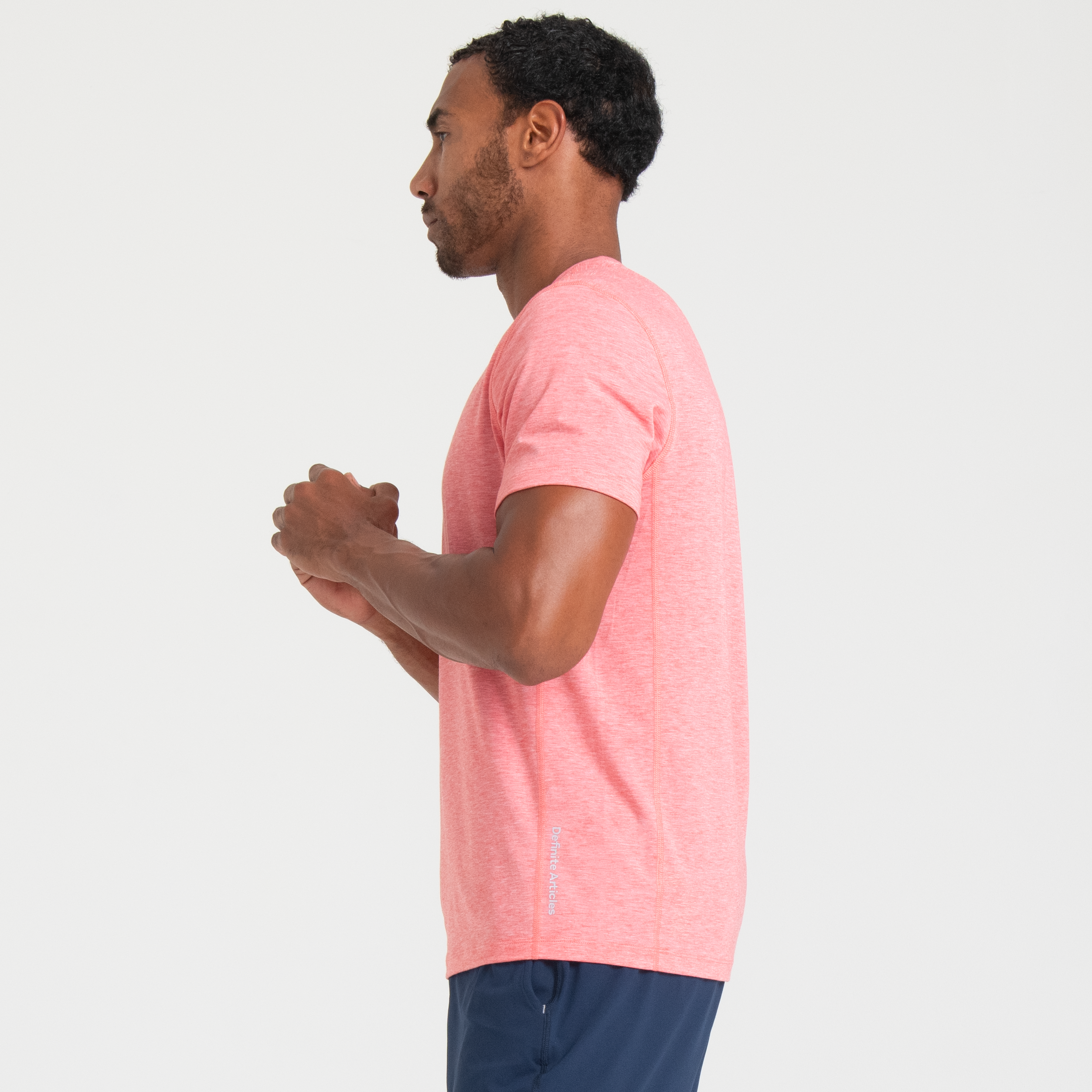
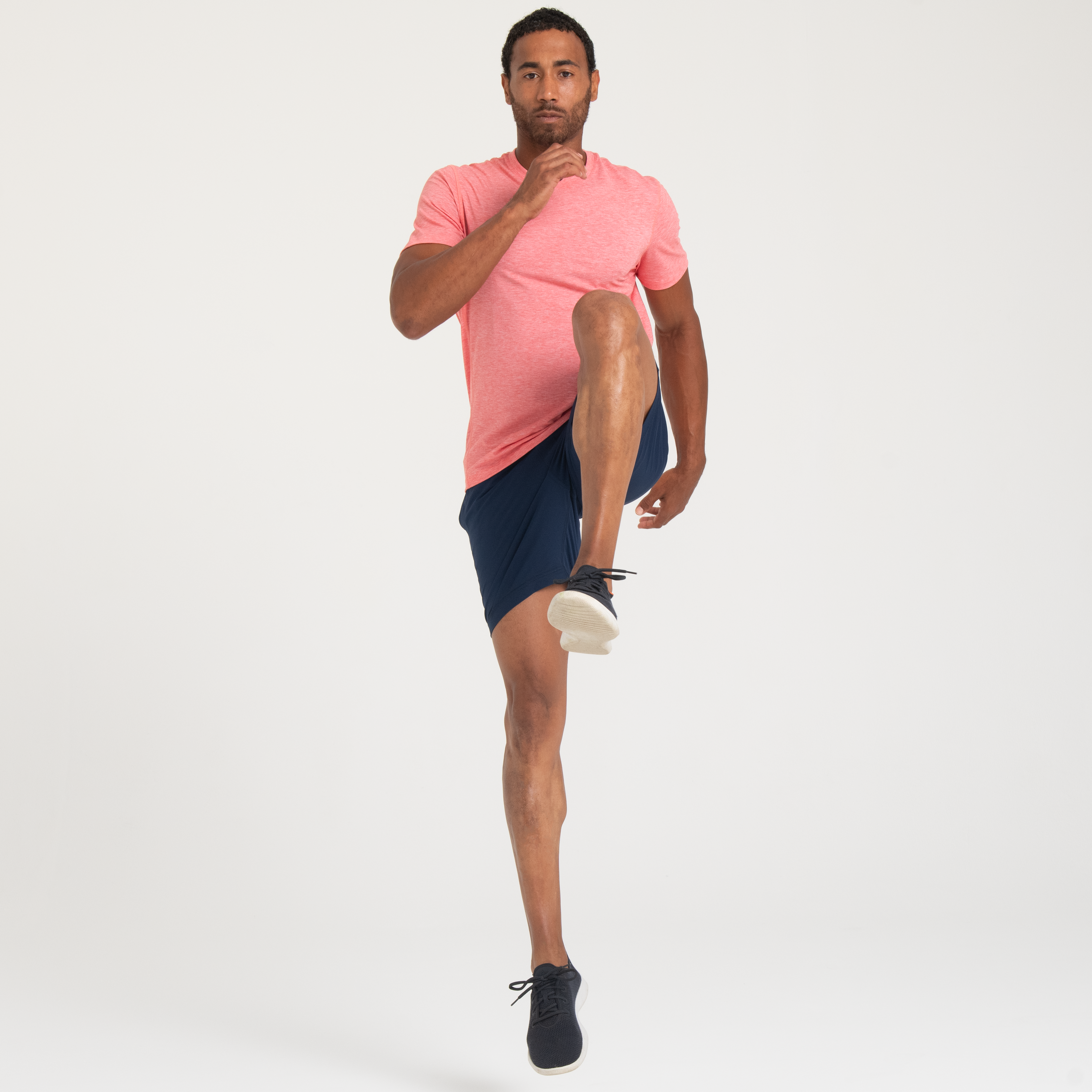


Articles made to last, just not forever.
Thanks to CiCLO® technology, our performance fabric will biodegrade when discarded like wool or cotton - dramatically reducing long-term microplastic pollution. This is done without any impact to fabric performance.




Follow us on Instagram
Real people. Real stories. Real impact. Follow along for inspiration and insights.
DA Magazine

Is synthetic activewear really the problem?
Straight answers Is synthetic activewear really the problem? You've heard the one-liners "your activewear is plastic & toxic". Before you throw out your leggings, here's what each of those worries...
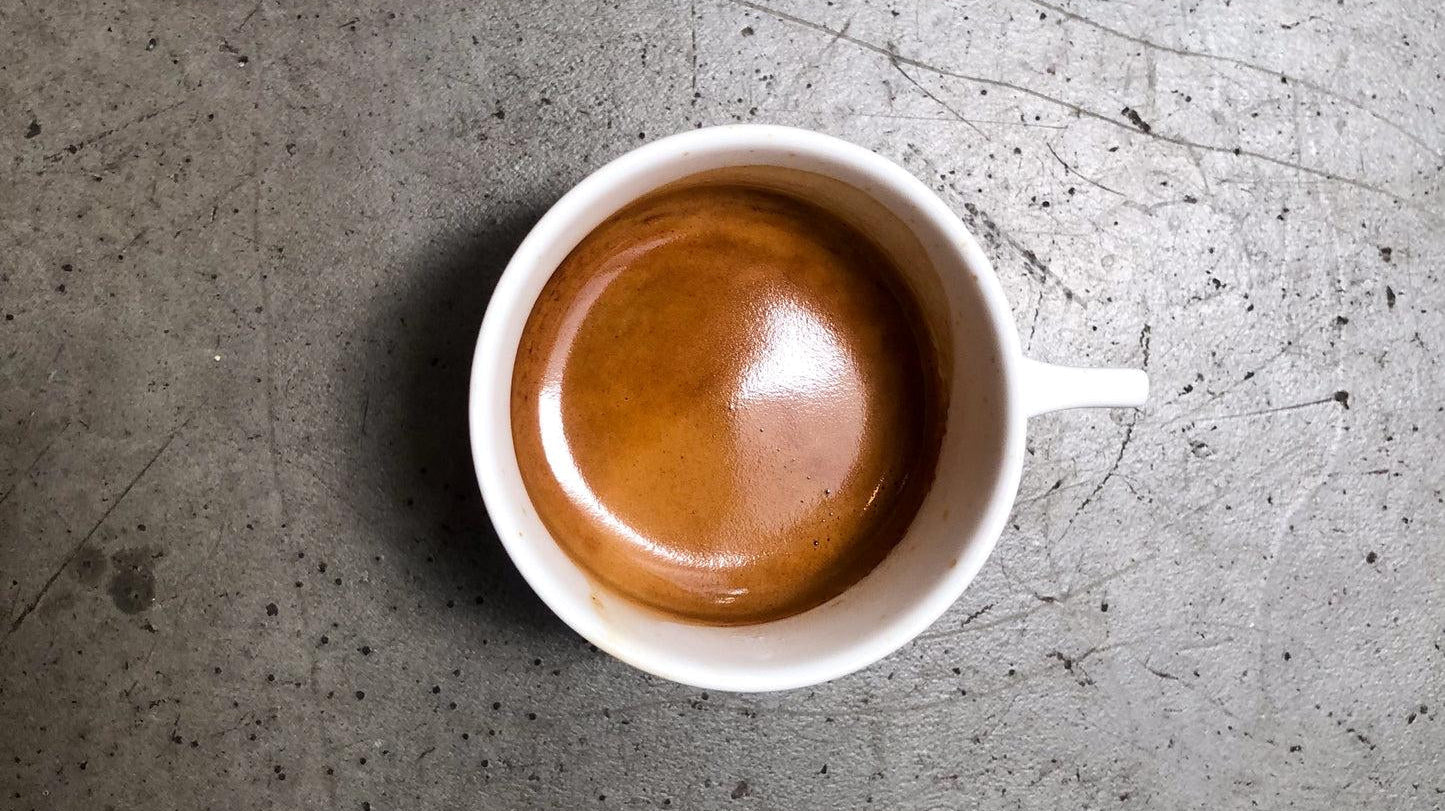
Coffee Before a Workout: Benefits, Timing & Performance
Most of us treat coffee as the thing that gets us to the gym. The research says it does a lot more once we're there. The DA Guide to Training...
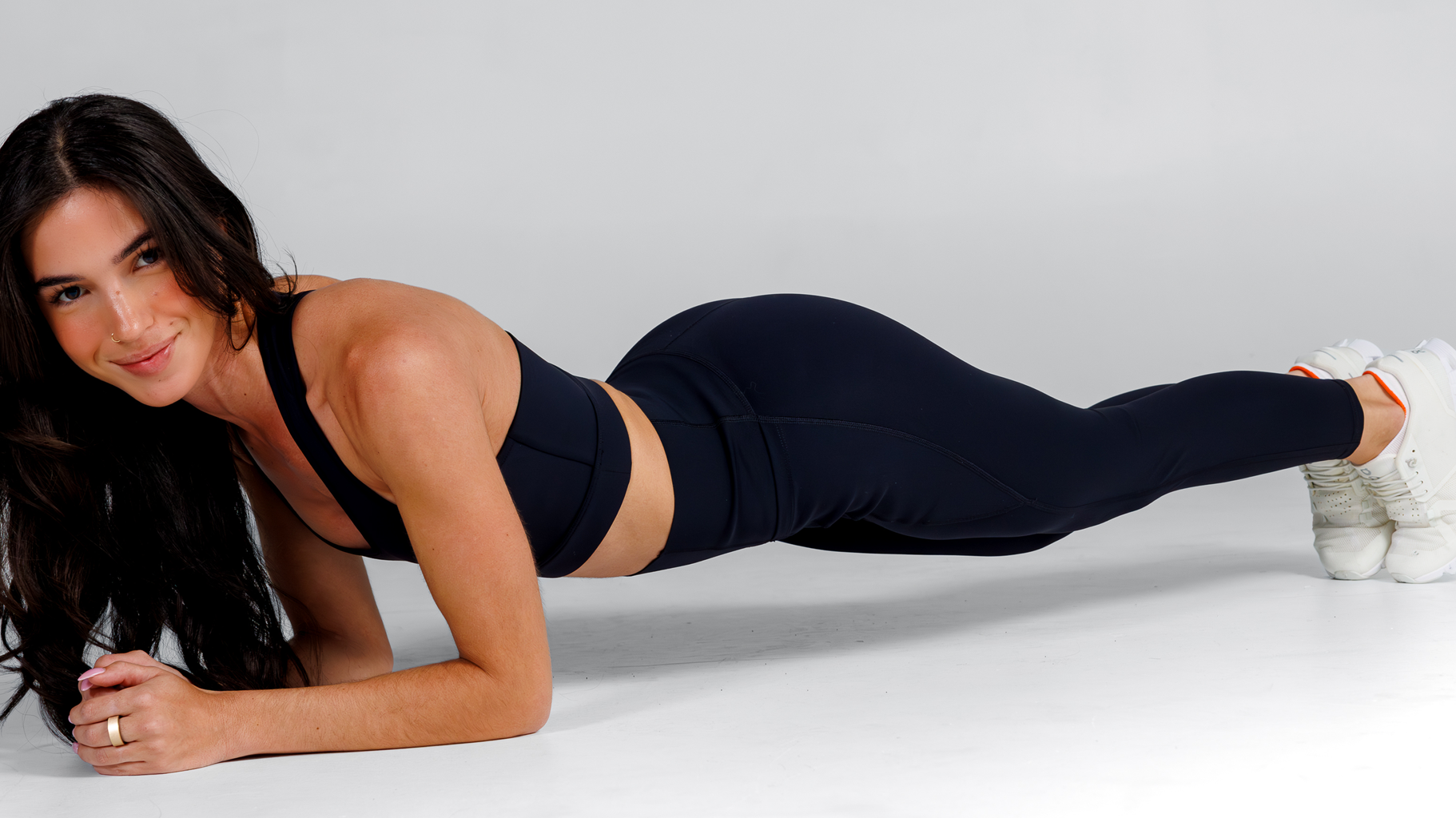
What to Wear to Pilates: Performance Without the Distractions
What to Wear to Pilates | Definite Articles The DA Guide to Activewear What to Wear to Pilates:Performance Without the Distractions Every movement in Pilates is intentional. Every position controlled....
