
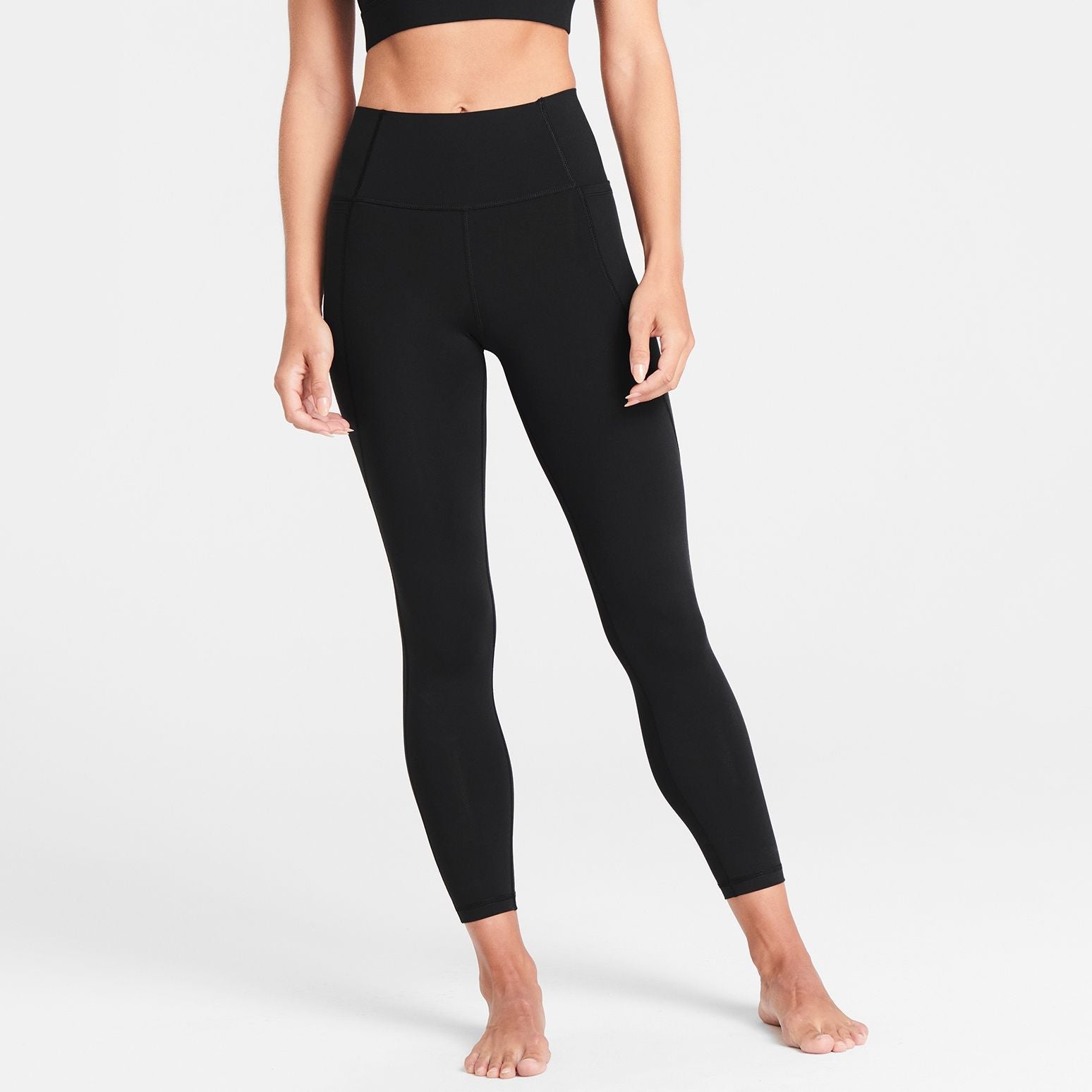


Most activewear is treated with chemicals linked to serious health concerns. PFAS for water resistance. BPA in dyes. The industry calls it performance. We call it a problem.
In 2022, the CEH called out 100+ brands for having BPA levels 40x accepted exposure limits. Since then dozens of brands have been flagged for having high levels of toxic chemicals in their clothes. Not one has chosen to disclose what's in their fabric.

Independently Tested
Our fabric is tested by Intertek, one of the world's largest independent testing labs, before it ever ships to you. We test to a higher standard than anyone else in the industry. If the lab can find it, we don't use it.


We're building the most sustainable activewear brand on the planet.
Carbon footprint is only half the story. An equally important, and perhaps more tangible issue, is what clothes leave behind: microplastics in our oceans and toxins on your skin. That’s why we engineered a different kind of performance fabric. Powered by CiCLO® technology, our gear is designed to biodegrade when discarded like wool or cotton - solving the synthetic waste crisis at the source.
We back that innovation with rigorous testing, ensuring every batch is certified free from BPA, PFAS, and 50+ other harmful chemicals.
Common Questions
Are synthetic fabrics safe?
Synthetics like polyester and nylon aren't inherently harmful. Where recycled synthetics are used, the risk of BPA contamination is high. Moreover, it's what they're treated with that matters. Manufacturers often treat the fabric with PFAS and other chemical finishes to enhance performance. Those treatments are the problem. WE never treat our synthetics with any performance chemicals. The result is. simply a safer synthetic.
In your lab reports, what does "non-detect" mean?
Not detected means the lab found nothing above its instrument's lowest measurable threshold.
How is Definite Articles different from OEKO-TEX certified brands?
OEKO-TEX tests to "acceptable limits"—meaning some amount of harmful chemicals is allowed. For example, they didn't test for PFAS at all until 2024. We test to non-detect, which is up to 100x stricter depending on the chemical.
What is CiCLO® and how does it work?
Traditional polyester and nylon don't biodegrade—they just break into smaller and smaller microplastics forever. CiCLO solves this by embedding natural "nutrient spots" throughout the plastic fiber. When CiCLO fabrics end up in landfill or ocean environments, microbes are attracted to these spots and break down the fiber at rates comparable to wool—not centuries. Same performance, built-in exit strategy.
