
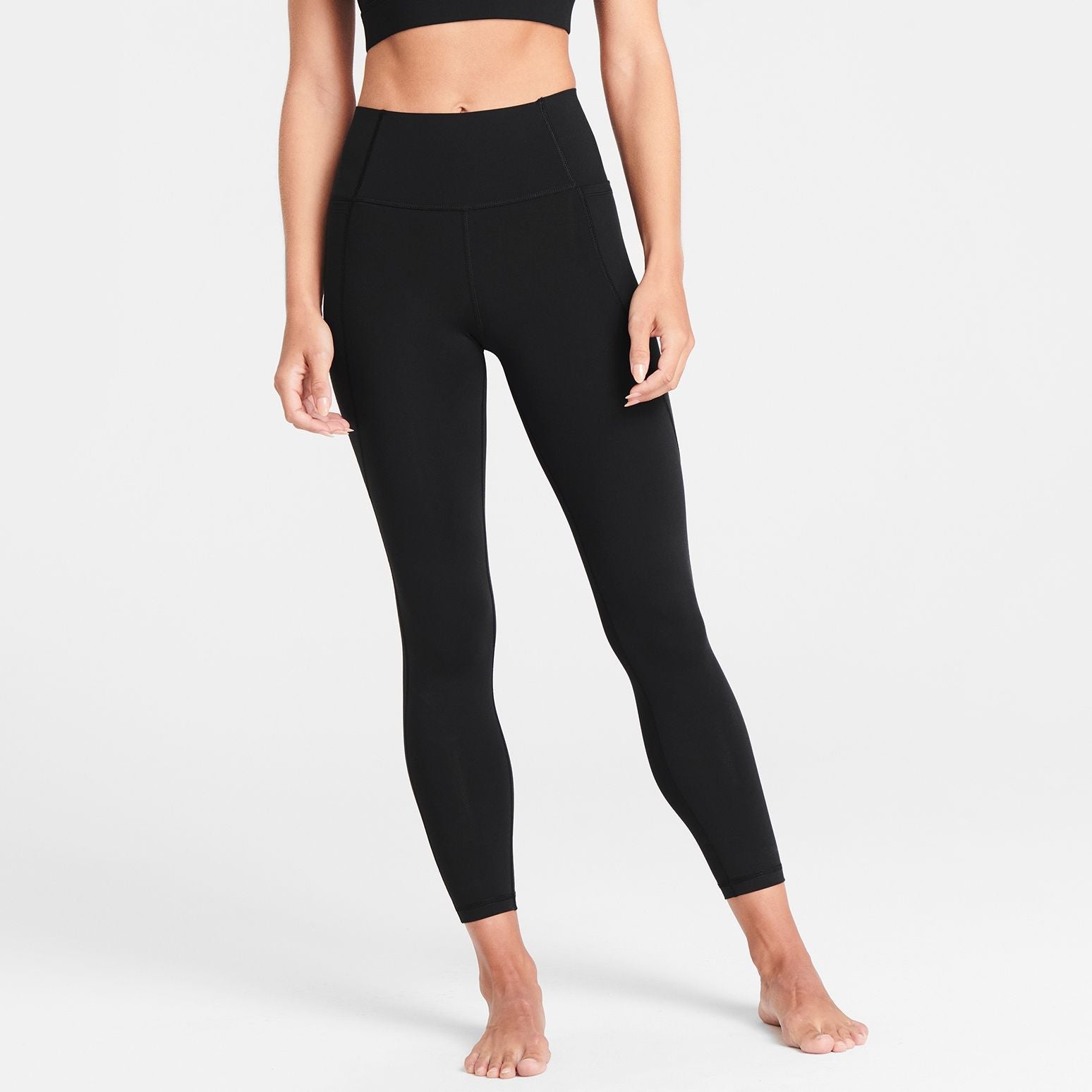


For years, the conversation around “clean” activewear has largely focused on one question: natural or synthetic?
Organic cotton is often perceived as safer. Synthetics, on the other hand, are increasingly viewed with skepticism because they are derived from petrochemicals. But the reality is more nuanced, especially when it comes to true performance apparel.
High-performance activewear requires stretch, recovery, durability, moisture management, and shape retention through repeated wear and washing. Natural fibers alone often struggle to deliver that level of performance consistently, which is why most serious training apparel relies on advanced synthetic blends.
The more important question is not simply what the fabric started as.
It’s what ends up in the finished article.
Many consumers don’t realize that chemicals can be introduced during later stages of production through dyeing, finishing treatments, wrinkle resistance, stain repellency, and manufacturing processes. That means a fabric or yarn certification alone may not fully reflect the chemical profile of the final article you actually wear against your skin.
That distinction matters.
At Definite Articles, this is why we focus on independently testing finished articles not simply relying on upstream material certifications. Our goal has never been to create fear around performance apparel, nor to suggest that all synthetic materials are inherently harmful. In fact, modern performance fabrics can offer significant benefits in comfort, durability, and athletic function while still being safe.
The key is transparency.
We believe the future of performance apparel is not about choosing between performance and peace of mind. It’s about demanding higher standards from the products we train, sweat, stretch, and recover in every day.
Because ultimately, the clothes you wear closest to your skin should be among the most thoughtfully made.
Shop the collection here and find out more about our Fabric Safety here
